Stop Blaming Age: The Real Reason Testosterone Declines After 30 (According to Science)

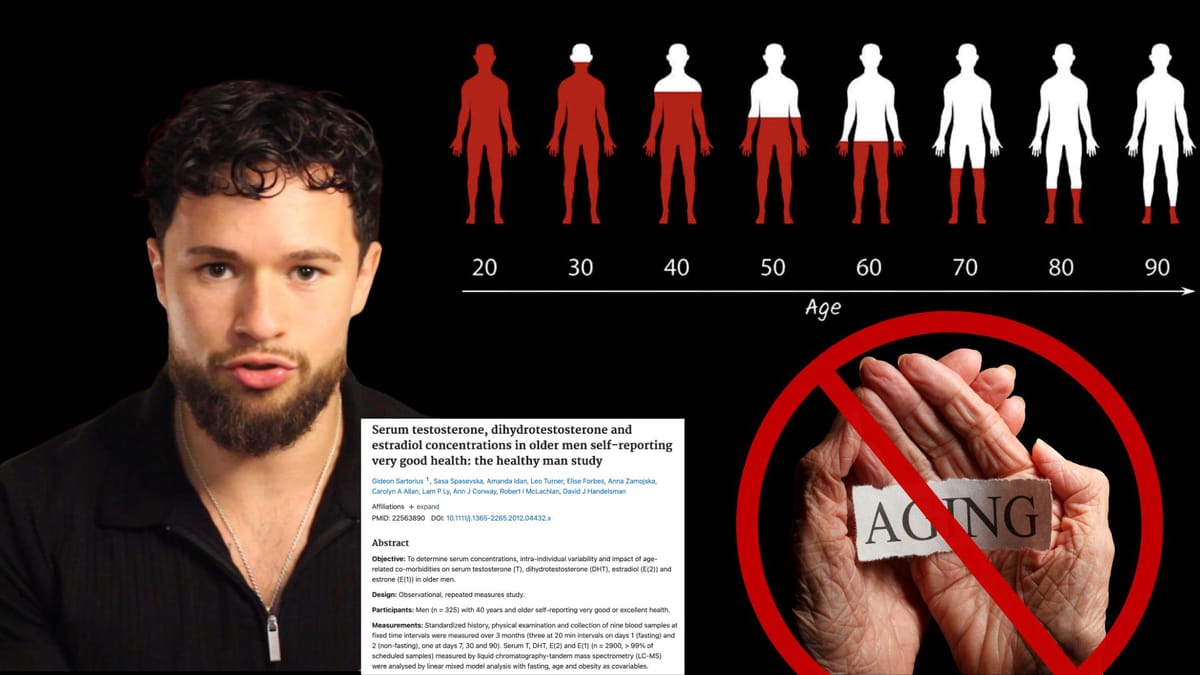
If you’re like most men, you probably believe that testosterone levels decline with age, a phenomenon often termed “andropause,” or “male menopause.”
But after reading dozens of studies on this topic, I’m here to tell you that this belief is an oversimplification of the scientific literature with potentially dangerous implications for the men who believe it, and for society at large.
So in this article, I’m going to:
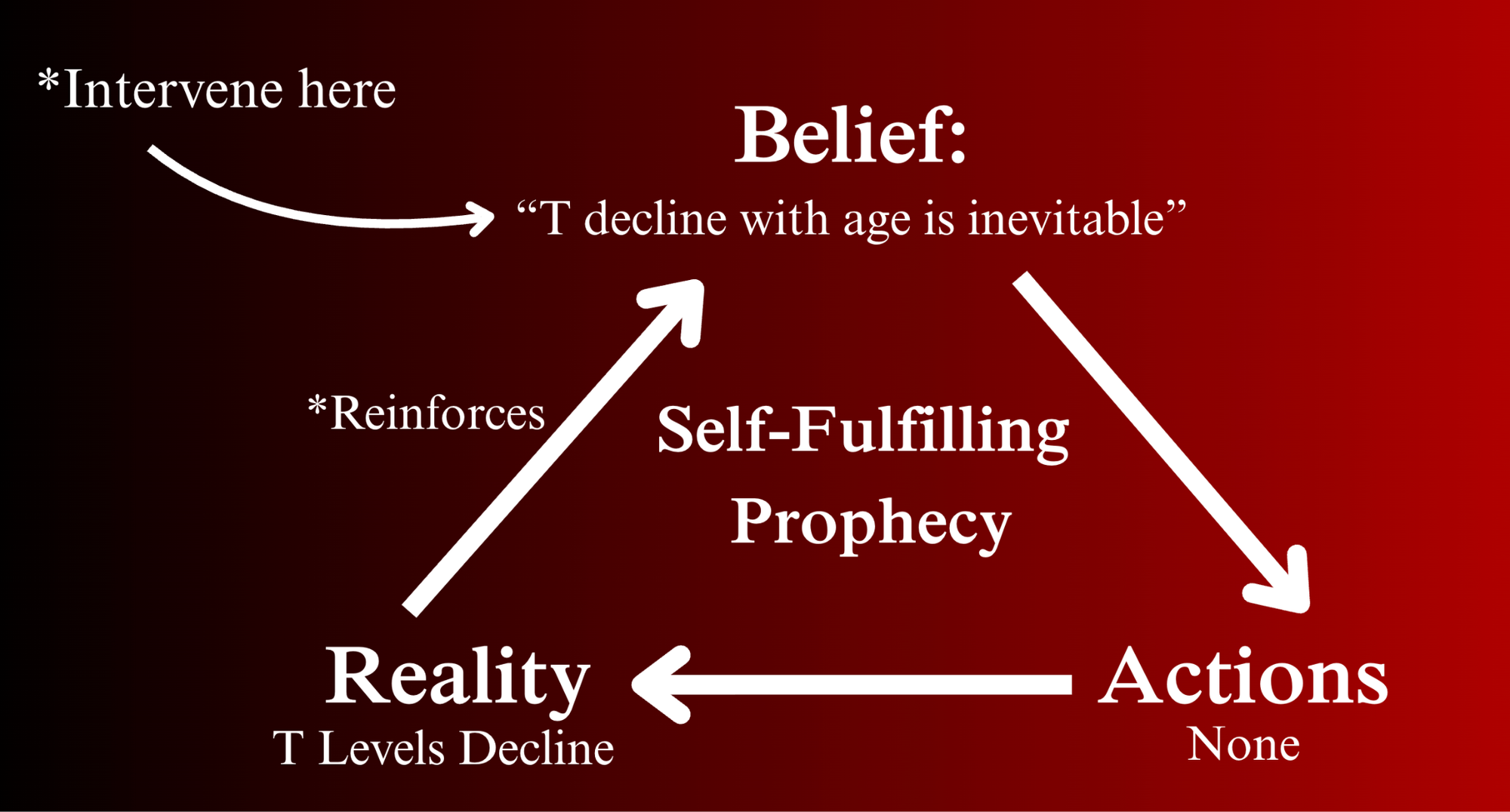
- Explain how this limiting belief creates a self-fulfilling prophecy that makes it come true.
- Help rid you of this belief by unpacking scientific evidence showing that testosterone decline with age is not inevitable.
- Provide you with actionable protocols that you can use to naturally maintain optimal testosterone levels as you age.
The content in this article is also available in video format on my Youtube channel.
Aging Is Not In Your Control
In life, some things are in our control, like our actions, while other things, like our age, are not.
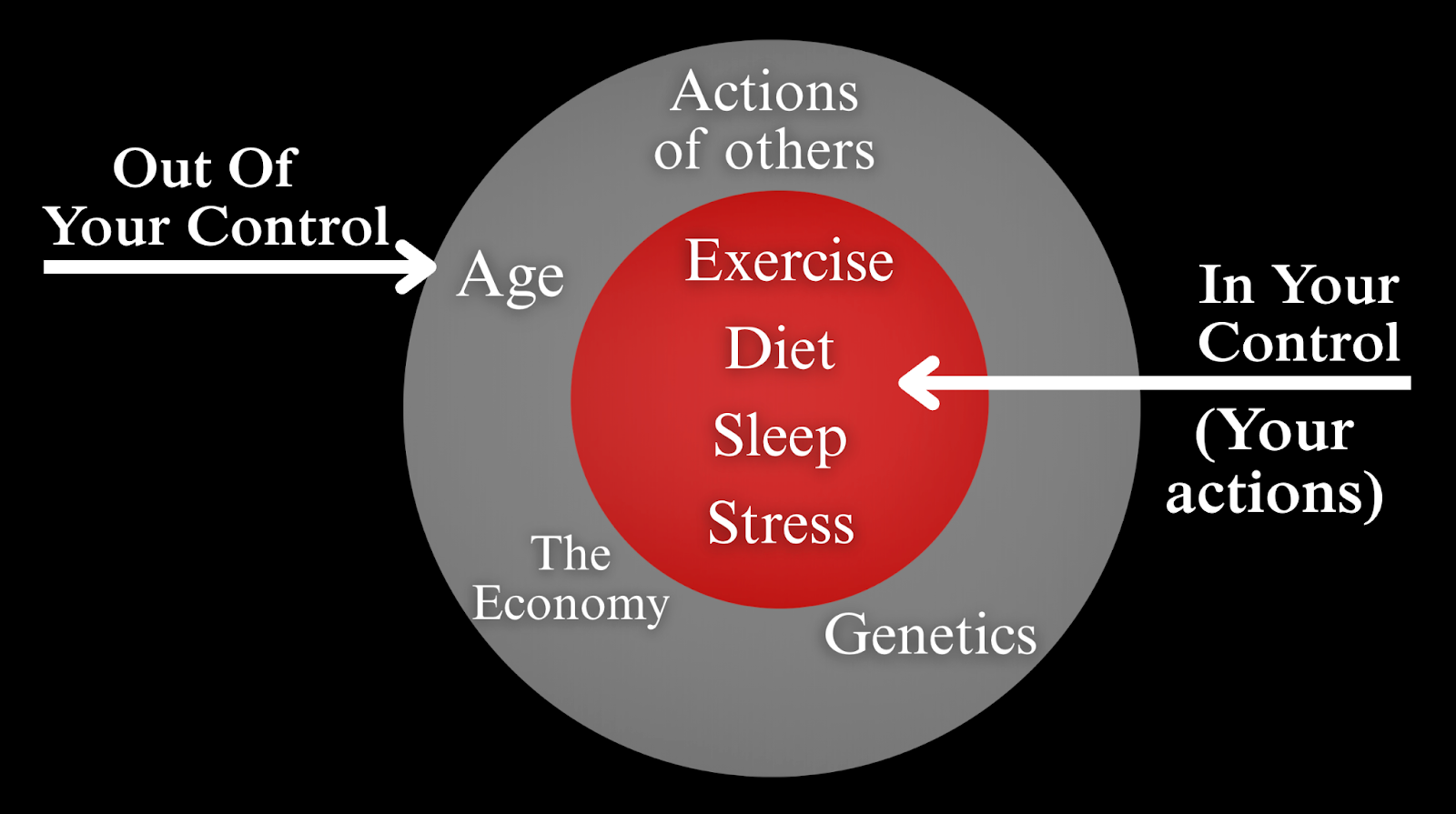
When you go about life with an external locus of control, you attribute your situation to forces outside your control, leaving you powerless to change it.
To the contrary, when you operate under an internal locus of control, you focus on what you are able to do to influence your situation, empowering you to control your outcomes through your actions.
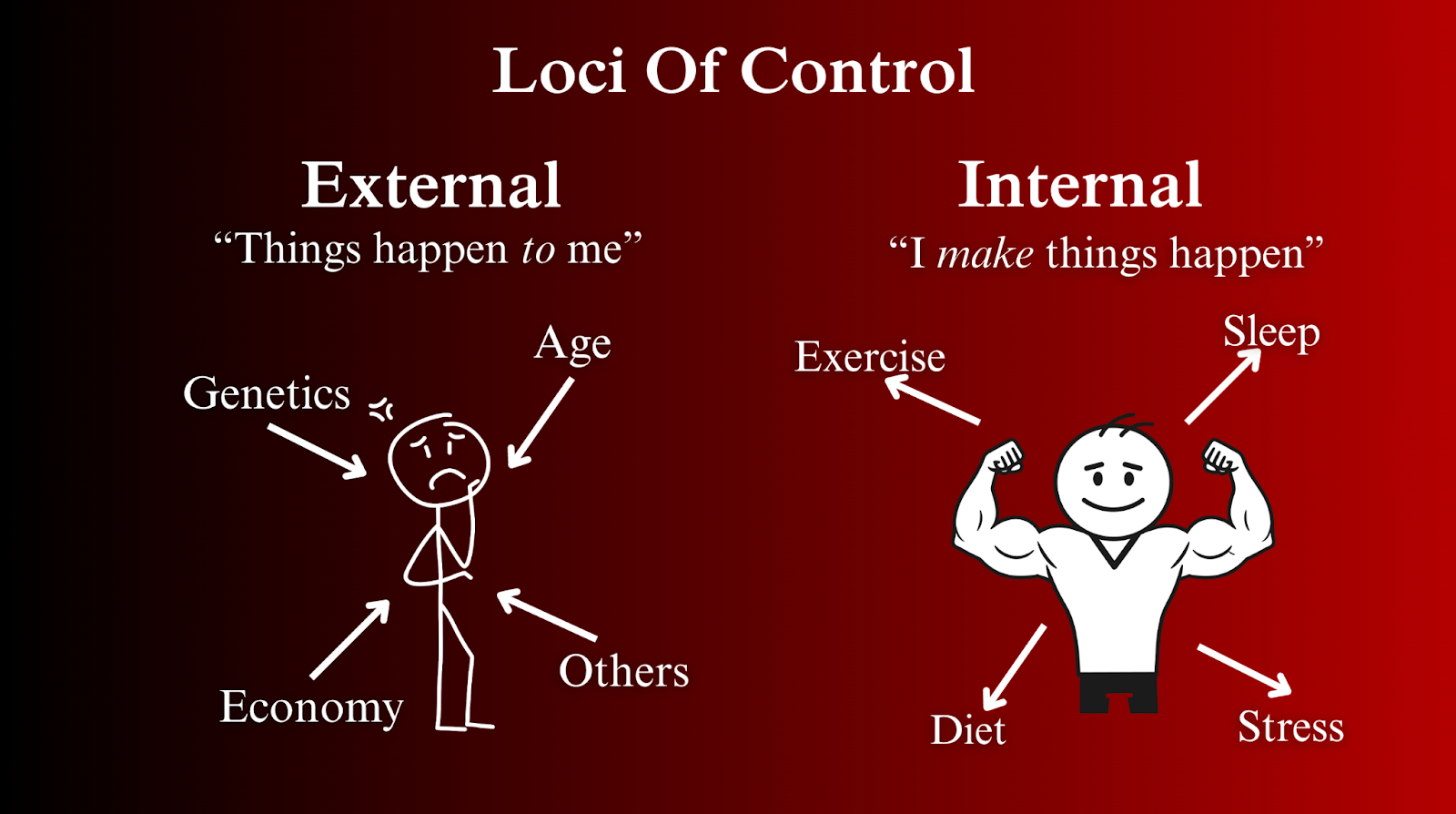
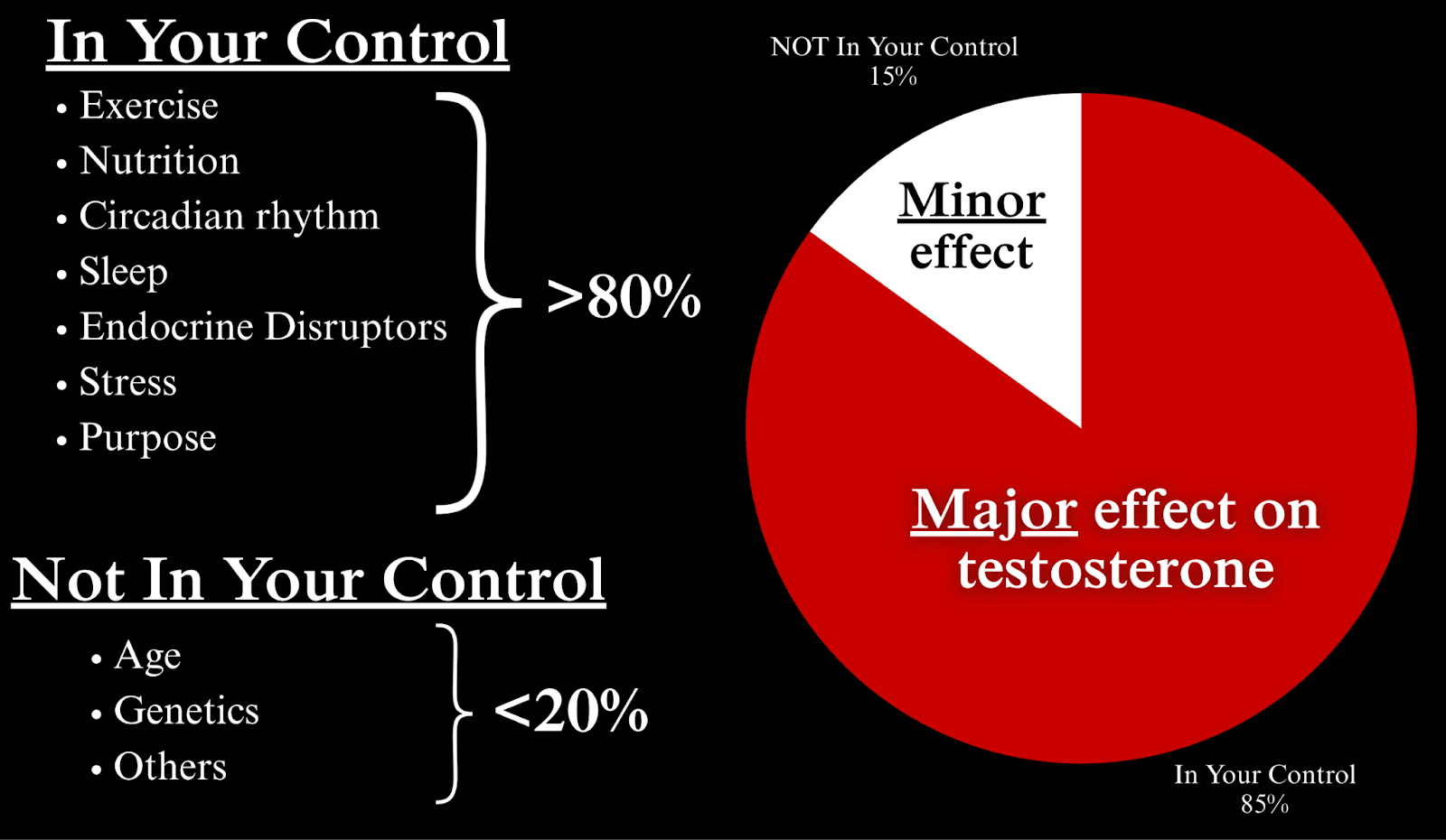
So if you suspect that your testosterone levels are declining, the assumption that aging is the problem is dangerous because it causes you to adopt an external locus of control, wherein you disproportionately attribute your symptoms to aging, which is not in your control, while diverting your attention away from the truly consequential drivers of testosterone decline; health and lifestyle factors that are all completely within your control.
Notably, the factors within your control have an outsized effect on your testosterone levels, in contrast to the forces outside of your control (including your age), which have a minor effect by comparison, highlighting the importance of having an internal locus of control.
To recap, ascribing testosterone decline to aging is problematic because it:
- Disempowers you by causing you to adopt an external locus of control.
- Causes you to focus on your age, one of the least significant determinants of your testosterone levels, which distracts you from the factors that matter most.
This dual effect caused by the belief that testosterone declines with age creates a self-fulfilling prophecy that makes it come true. Here's how...
Self-Fulfilling Prophecy
I'll tell the story of an alias named John to illustrate this point.
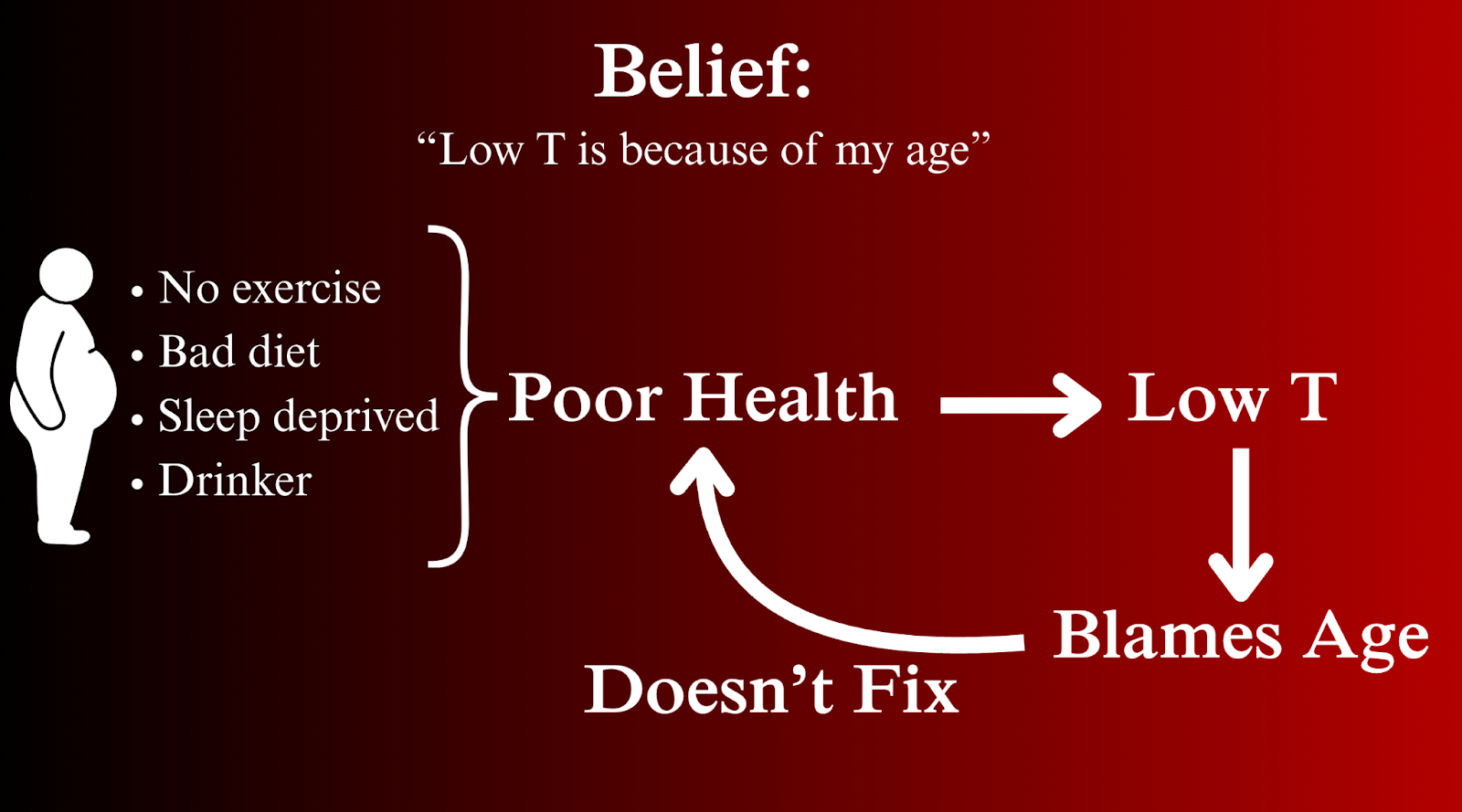
John has neglected his health for most of his life, and as a result, around his mid-thirties, he starts to notice that he doesn’t feel quite like the man he used to be.
He gains fat much easier, can’t hold on to muscle, has a weak libido, and feels tired all the time.
Based on his symptoms, John intuits that he must have low testosterone. He also once heard on a TRT commercial that testosterone declines with age.
This causes John to assume that his low testosterone symptoms are just an inevitable part of getting older.
Since John is unaware that his health problems are the main drivers of his testosterone decline, he doesn’t take any action to fix them.
As the years go by, John's health problems continue to bring his testosterone levels down further, and his symptoms worsen accordingly.
Since time has elapsed, John attributes his worsening symptoms to aging, thereby reinforcing his belief that aging is the cause, a phenomenon called confirmation bias.
Confirmation Bias:
The tendency to interpret information in a way that confirms or supports one's existing beliefs or hypotheses.
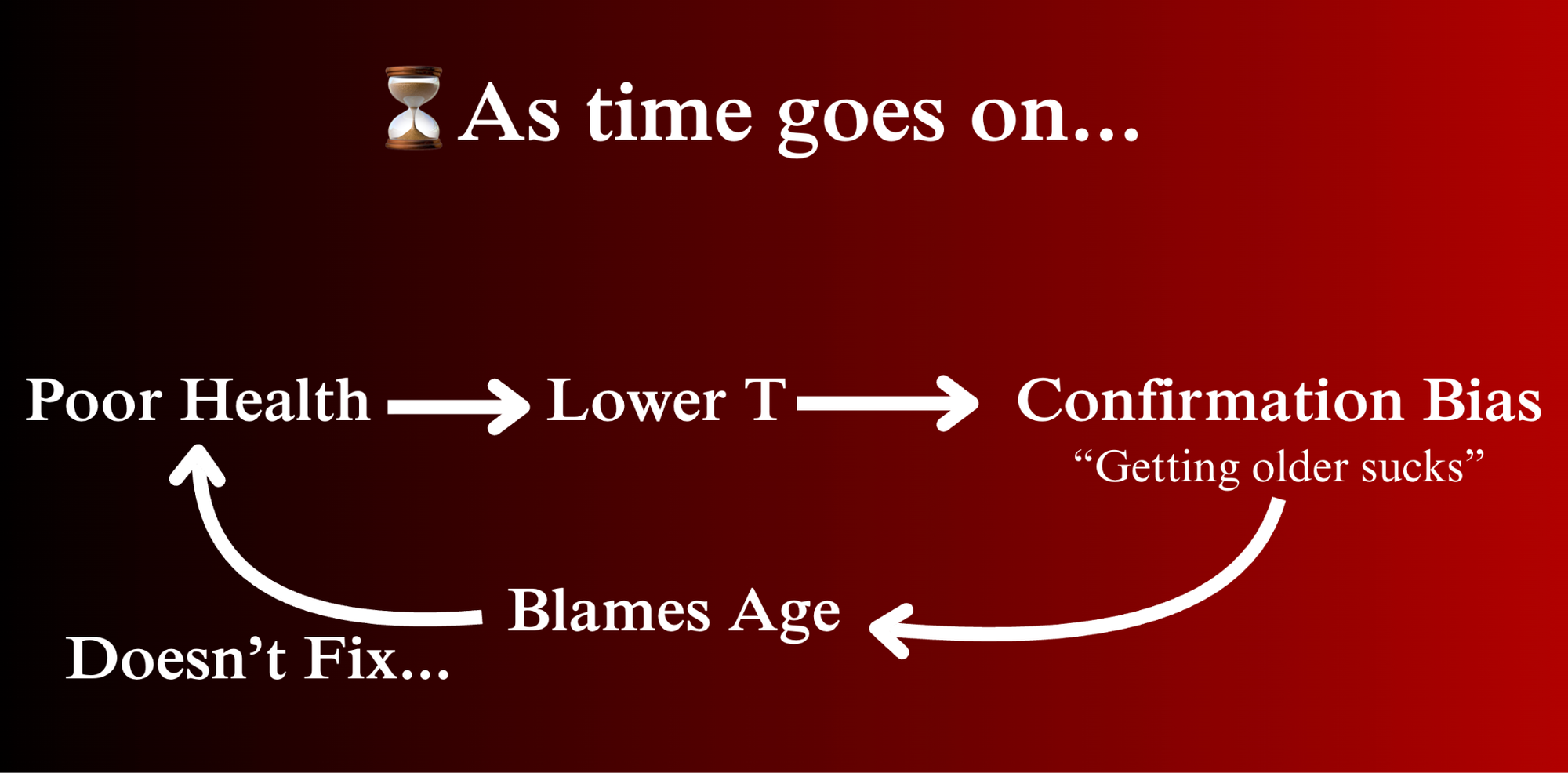
Unless John makes major changes, this cycle will continue repeating itself until the day he dies, which might come sooner for him, because low testosterone is associated with an increased risk of all-cause mortality (7).
Breaking the Cycle
In my experience, the first step to helping men like John is to rid them of the limiting beliefs that hold them back.
For example, one of my clients originally came to me under the impression that his obesity was genetic, because most of his family was obese.
For his entire life, Chris was handicapped by this limiting belief, so he never took serious and consistent action to lose weight. That is until he and I crossed paths...
After showing him an abundance of evidence (both scientific and anecdotal) that the role of genetics in obesity pales in comparison to the role of lifestyle changes (diet, exercise, etc), we were able to shift his locus of control from external to internal.
Doing so both freed and inspired him to take the actions necessary to lose weight because he now believed it was possible, and with my guidance, he lost fifty-eight pounds in ten months, leading to substantial improvements to his testosterone profile (due to reductions in aromatase).
Aromatase:
An enzyme abundant in fat tissue that breaks down testosterone and converts it into estrogen. Reducing body fat also reduces the abundance of aromatase, thereby increasing circulating testosterone levels.
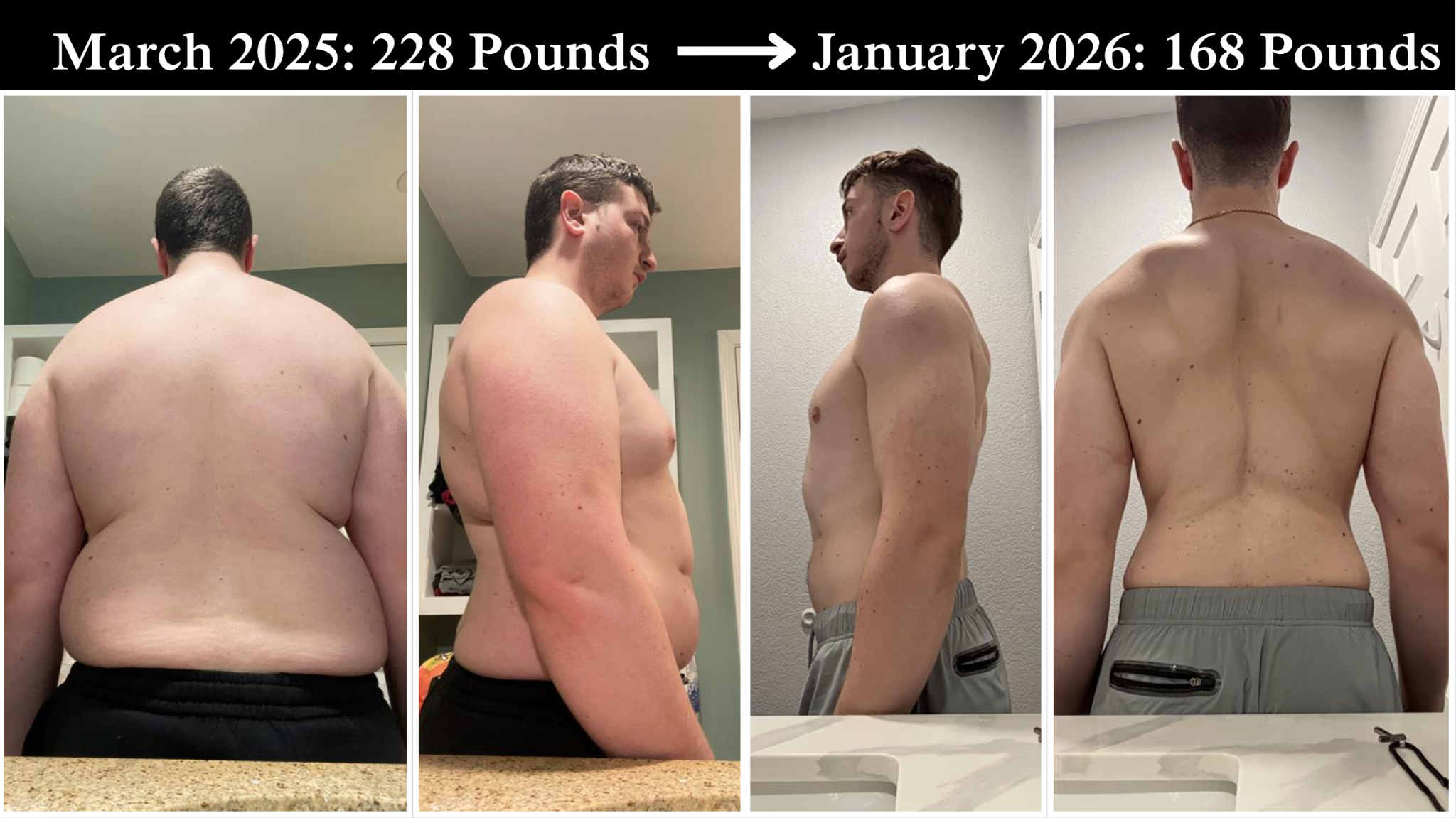
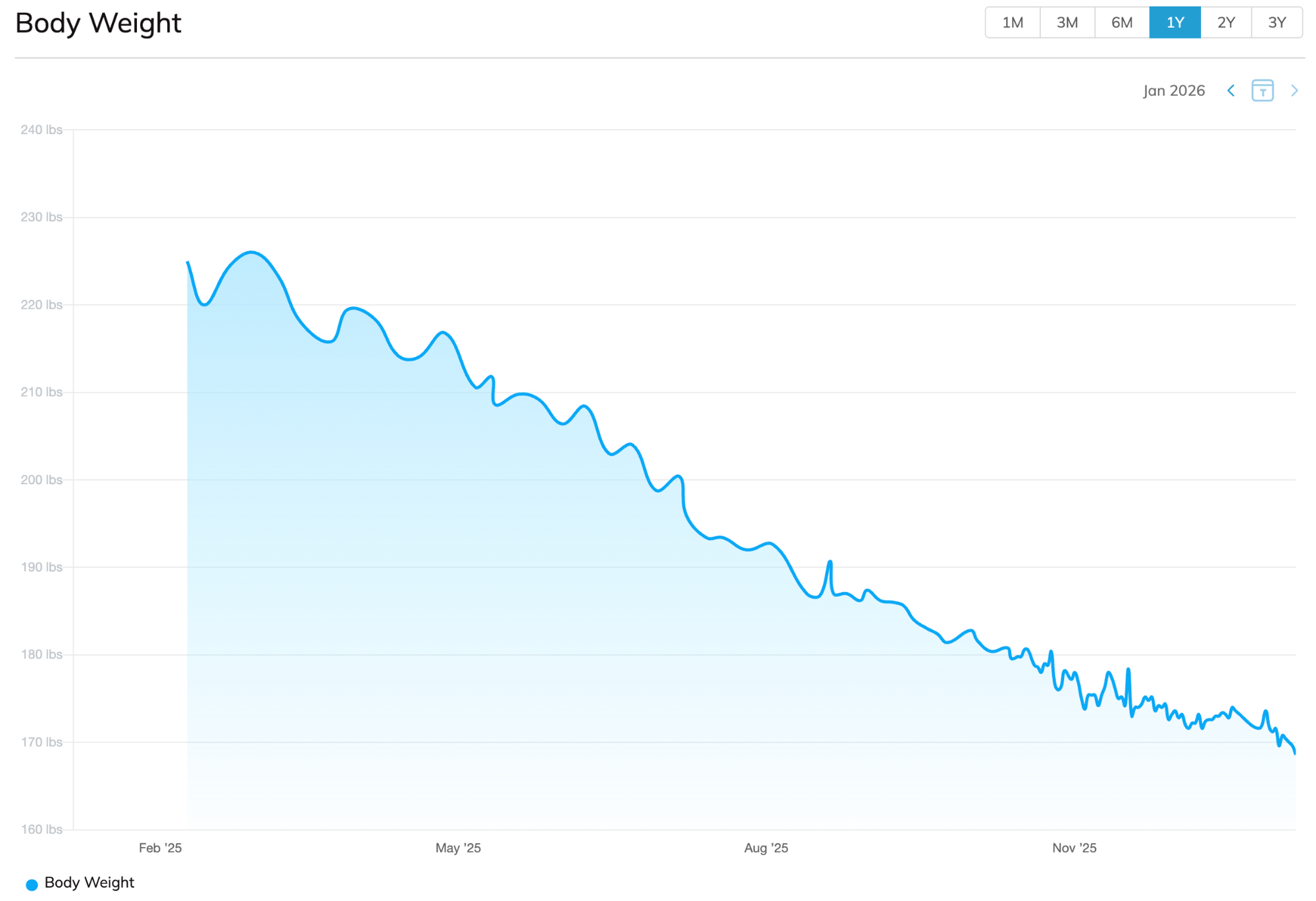
Chris’ story highlights the dangers of limiting beliefs, and the power of taking on an internal locus of control.
So if you have low testosterone and hold the belief that it’s because you’re getting older, in the next section, I’m going to dispel that belief by unpacking research showing that testosterone decline with age is not inevitable.
Do Testosterone Levels Really Decline With Age?
I’ve talked about this topic ad nauseam in another article, so I’m not going to go into extraneous detail here, but here’s the key takeaways…
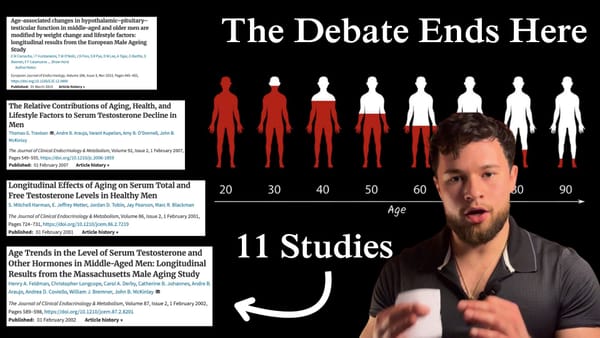
Indeed, many studies show that testosterone levels are lower among older men in the general population (5), but a key detail often goes underreported; most age-related declines in testosterone are caused by chronic diseases that accumulate with age (9), whereas aging itself is a relatively minor contributing factor (6).
Free Testosterone Nuance
While total testosterone can remain stable, subtle but noteworthy declines in free testosterone are seen more consistently because Sex Hormone Binding Globulin (SHBG) levels rise with age, even in healthy men.
The most common recurring theme in the literature on the relationship between aging and testosterone levels is that “exceptionally healthy men” (defined as the total absence of any chronic disease) tend not to experience major declines in total testosterone as they age (9), and if they do, they don’t become statistically significant until geriatric years (4).

Although some of the results between studies are conflicting, when we average them out, it seems that testosterone probably does decline a bit with age, but, like the role of genetics in obesity, the effect pales in comparison to the influence of health and lifestyle.
In sum: The healthier you are, the less your testosterone levels will decline as you age.
Age Related Testosterone Decline is Reversible
In fact, there’s even research showing that age-related declines in testosterone are not only preventable, but also reversible through the management of health and lifestyle factors, most notably, weight loss (1).
This research maps on to my experience. One of my former clients, a 48 year old father and marketing director named Scott, came to me reporting low testosterone symptoms, specifically, and inability to gain muscle and chronic low energy, while carrying nearly 30% body fat.
My strategy with Scott was to improve his body composition (muscle:fat ratio), because I knew that reducing his body fat percentage would increase his testosterone levels, which would make gaining muscle much easier in turn.
In just three months, Scott lost body fat, gained over six and a half pounds of muscle, and brought his testosterone levels up to a healthy range.
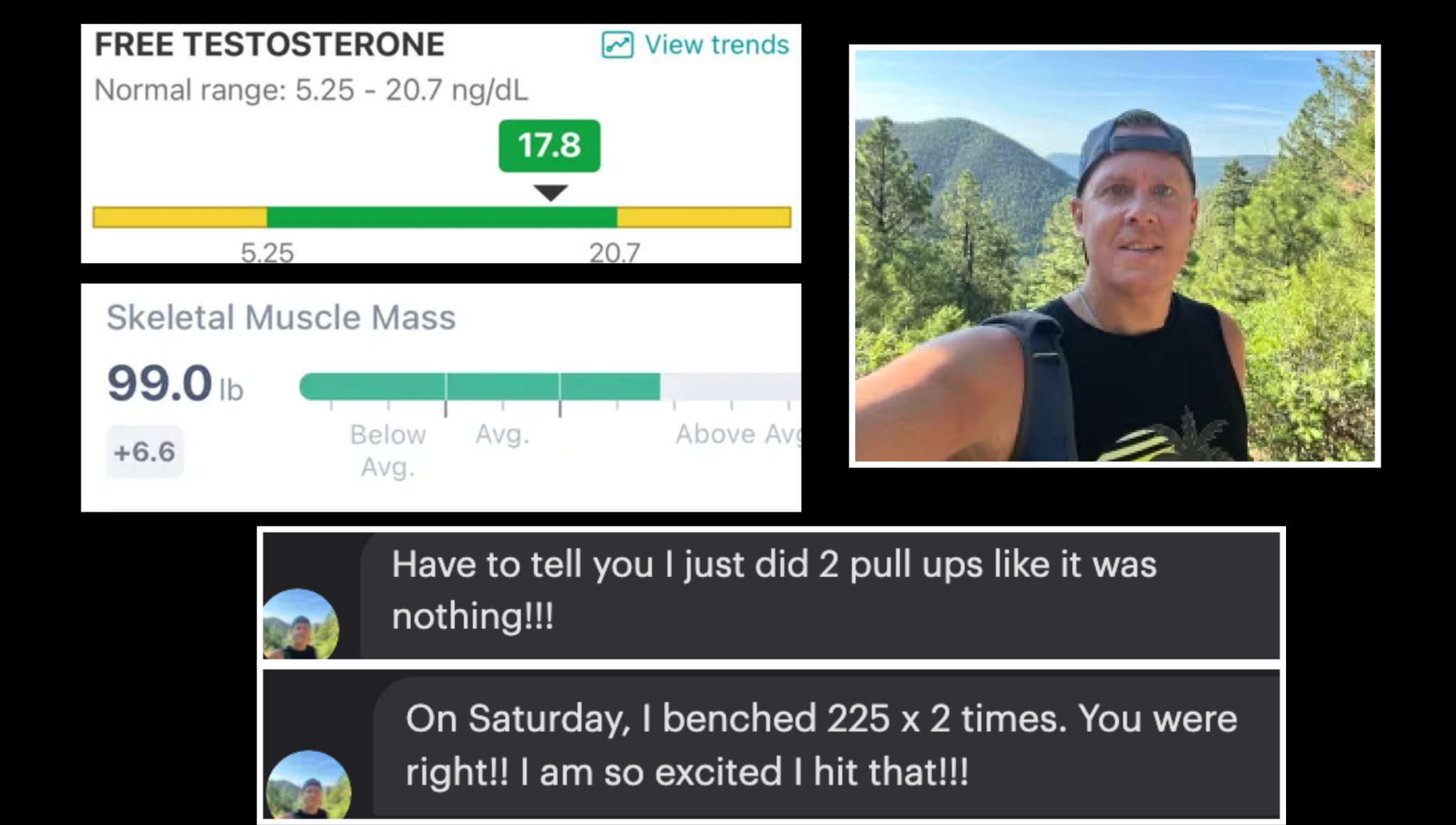
Scott’s story is a real-world example showing that age-related testosterone declines are in fact reversible with the proper interventions.
Case Studies
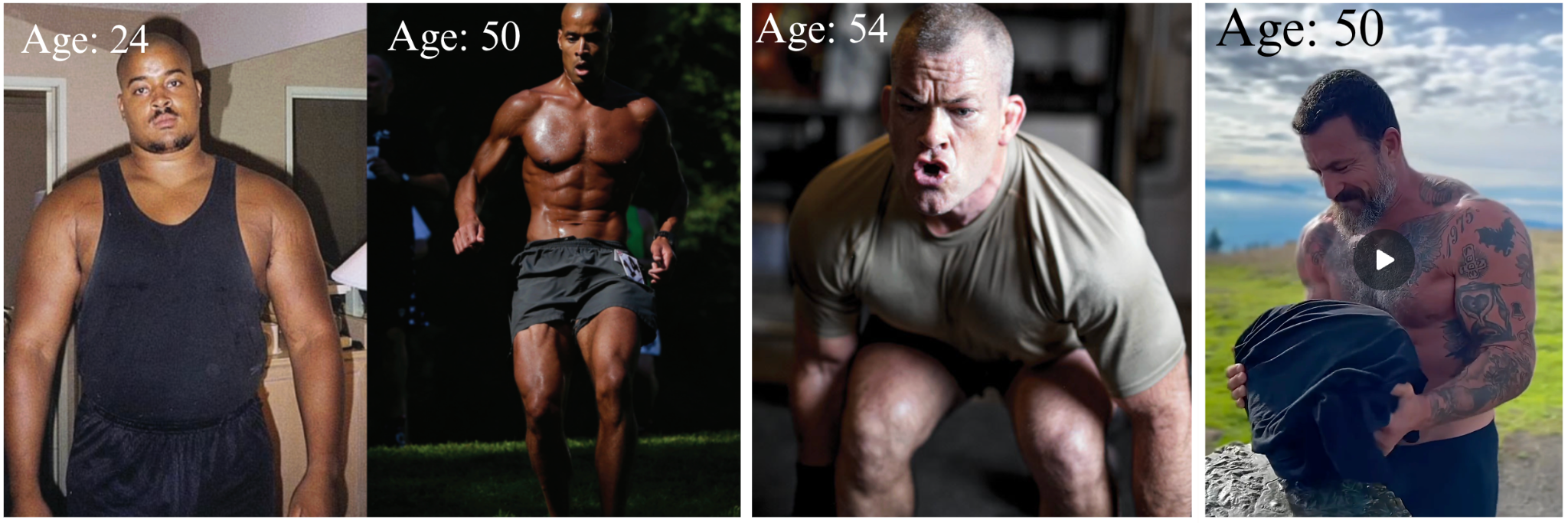
Still not convinced? Just think of all the men out there who clearly continue to fire at all cylinders throughout life. Here’s some more examples:
David Goggins
At age 24, retired Navy SEAL David Goggins was over 300 pounds. Now at age 50, he’s in the best shape of his life, wrote a bestselling book, and inspires thousands of people to become the strongest versions of themselves.
Jocko Willink
Jocko Willink, 54-year-old father of four, is a black Belt in Ju-Jitsu, founder of multiple companies, author of several books, host of a highly successful podcast, and remains in fantastic physical condition.
Andrew Huberman
Andrew Huberman is a 50-year-old professor of Neurobiology at Stanford and hosts the most successful science-based health podcast on the market.
These men have healthier testosterone levels in their fifties than I did in my early twenties, here’s why…
My Low Testosterone Story
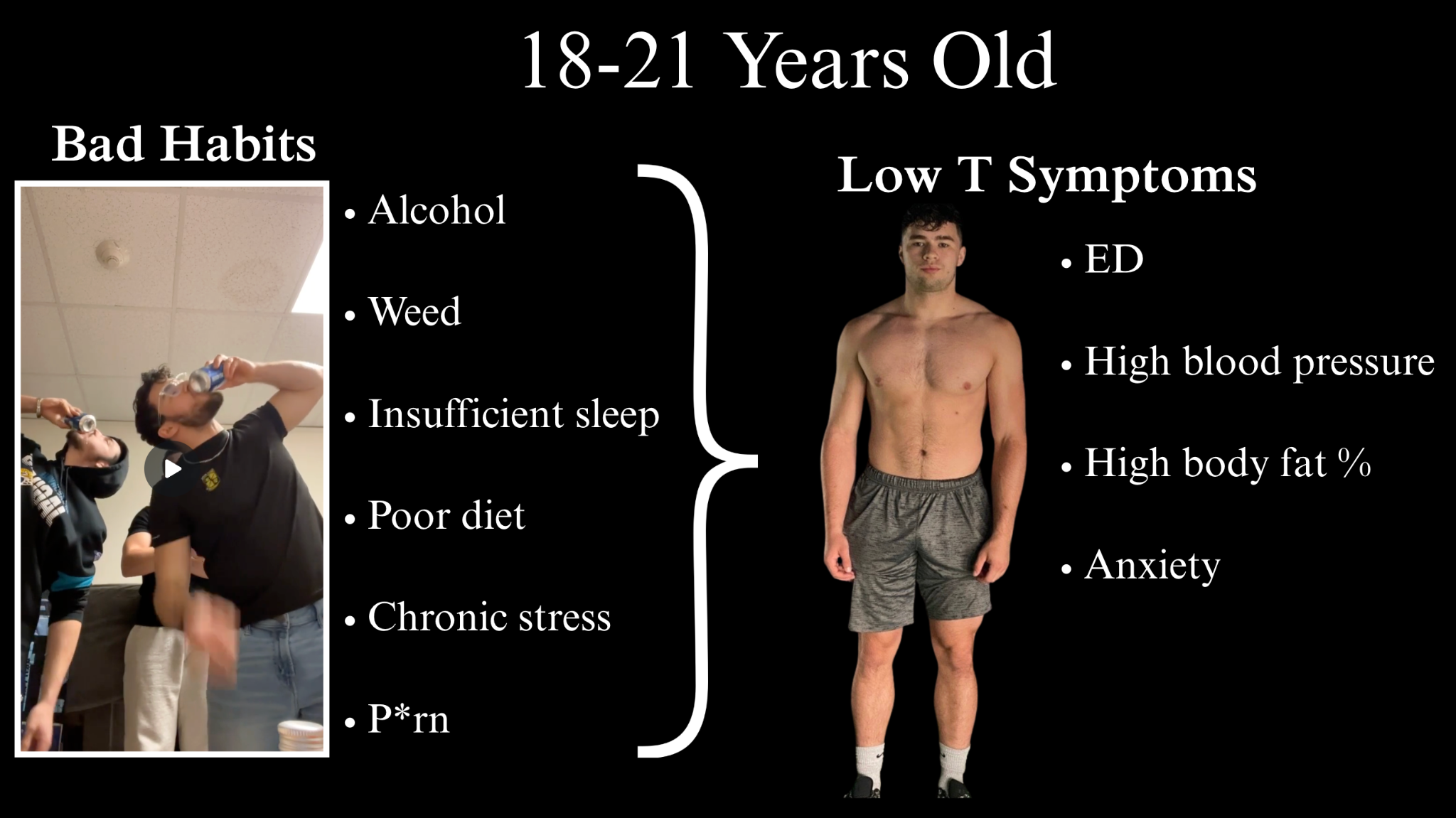
At the ripe young age of 18-21, when my testosterone levels should have been at their peak, I grappled with low testosterone because I was riddled with unhealthy habits that bled me of my vitality.
At the time, I was juggling two intensive majors (Biotechnology and Exercise Science) alongside a rigorous college football schedule.
Since I was so stressed, I relied on weekend alcohol and weekday marijuana to take the edge off, all three of which had a negative effect on my testosterone levels.
That combined with a dining hall diet and dysregulated sleep habits culminated in the development of my low testosterone symptoms, which included:
- Repeated embarrassing bouts of erectile dysfunction (ED)
- High blood pressure (as high as 150/90, considered stage II hypertension)
- Anxiety
- Low self-esteem
- Less than ideal body composition
After voraciously researching the causes of low testosterone, I finally made the connection between my lifestyle habits and my symptoms.
Implementing what I learned, I replaced substance use with meditation, purified my diet, honed my sleep quality, and minimized my exposure to endocrine disruptors, all while maintaining my one good habit at the time: consistent physical training.
After a year of systematically overhauling my lifestyle, the relief I experienced is impossible to exaggerate.
My ED disappeared, my blood pressure dropped, my physique became unrecognizable, and my stress was replaced with tranquility.
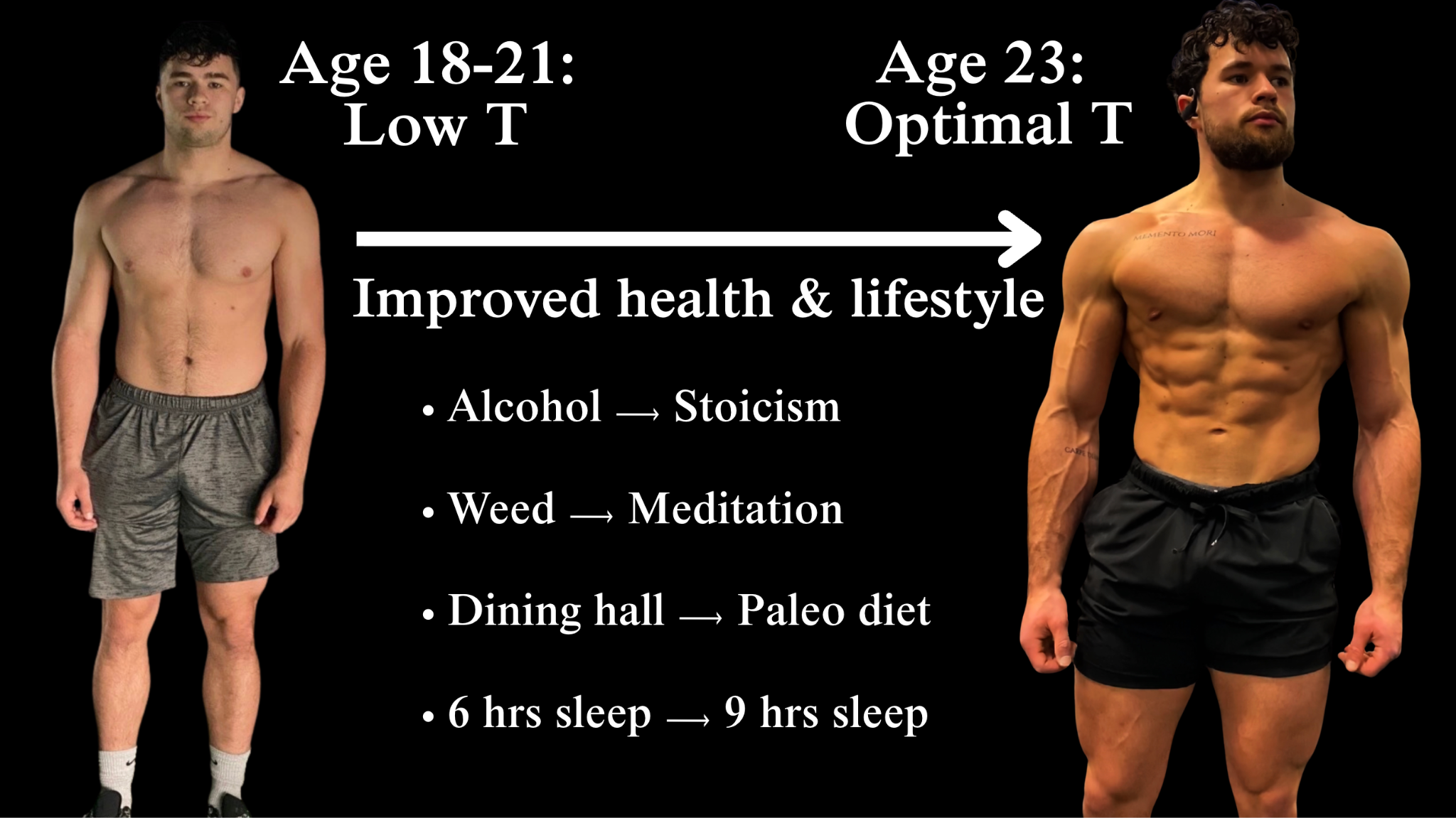
My personal transformation sparked my obsession with testosterone, and gave rise to the article you’re now reading.
I share my story because it reinforces two fundamental truths about the relationship between testosterone and age.
- Your overall health is the primary determinant of your testosterone levels at any age.
Even if you’re young, you can still have low testosterone if you’re unhealthy, but if you’re older, you can still have optimal testosterone levels if you dial in your health.
- Your health, and therefore your testosterone levels, are in your control.
My low testosterone symptoms were a direct result of my unhealthy lifestyle and mindset, but by removing these obstructions, I enabled my body to produce testosterone at its fullest capacity.
The Power of Empowering Beliefs
Now that I’ve provided you with an abundance of scientific and anecdotal evidence, between Scott, the other case studies, and my own story, you should now fully believe that you are capable of having optimal testosterone levels at any age.
I'll retell John’s story with this new empowering belief in place to exemplify how your life can pan out if you act on this belief.
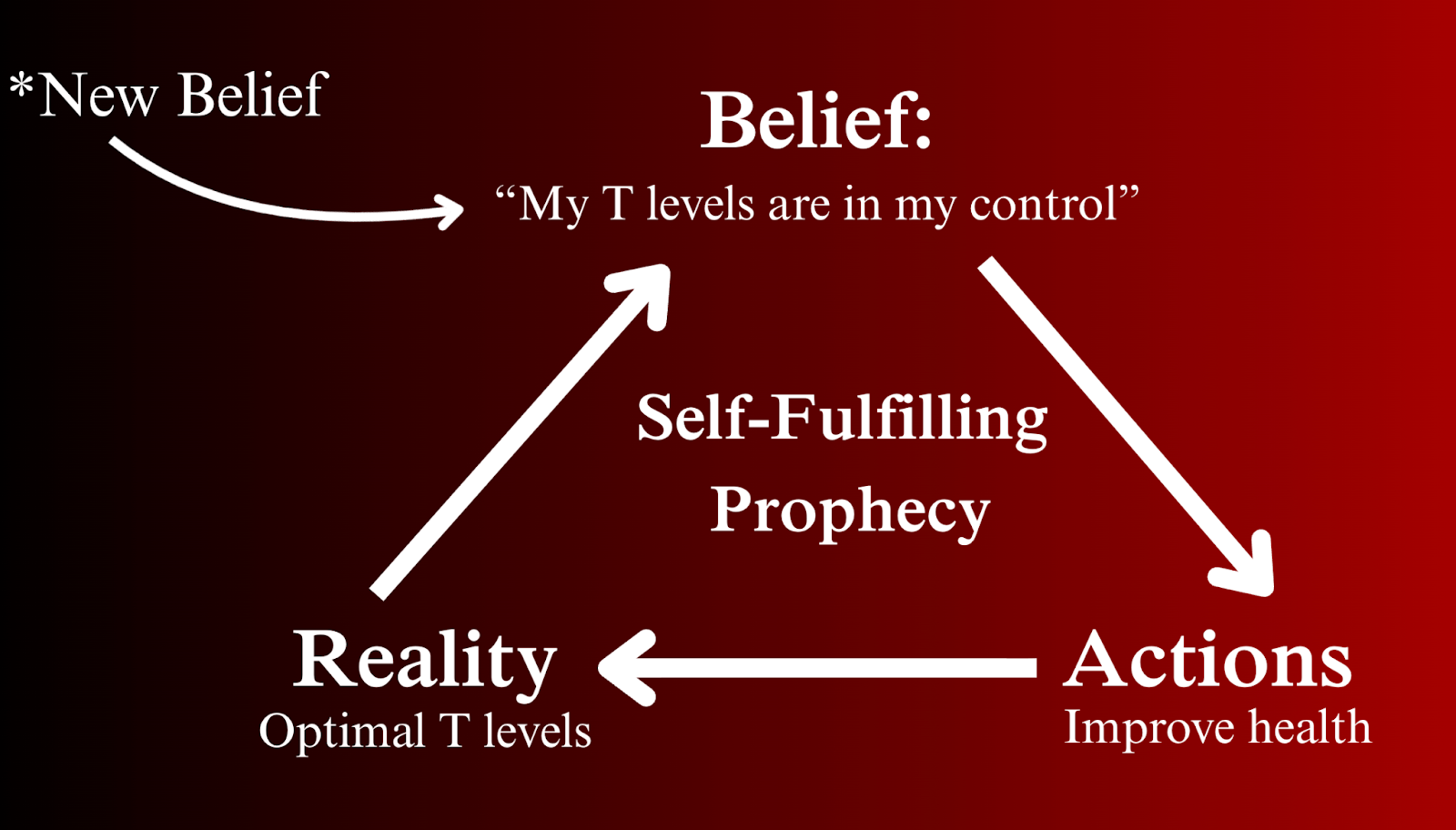
John has been unhealthy all his life, and this led to low testosterone in his thirties.
John used to believe that his age was causing his insufferable low testosterone symptoms, but after reading this article, he stops blaming his age and starts systematically overhauling his health.
As time goes on, his overall health improves, as do his testosterone levels in unison.
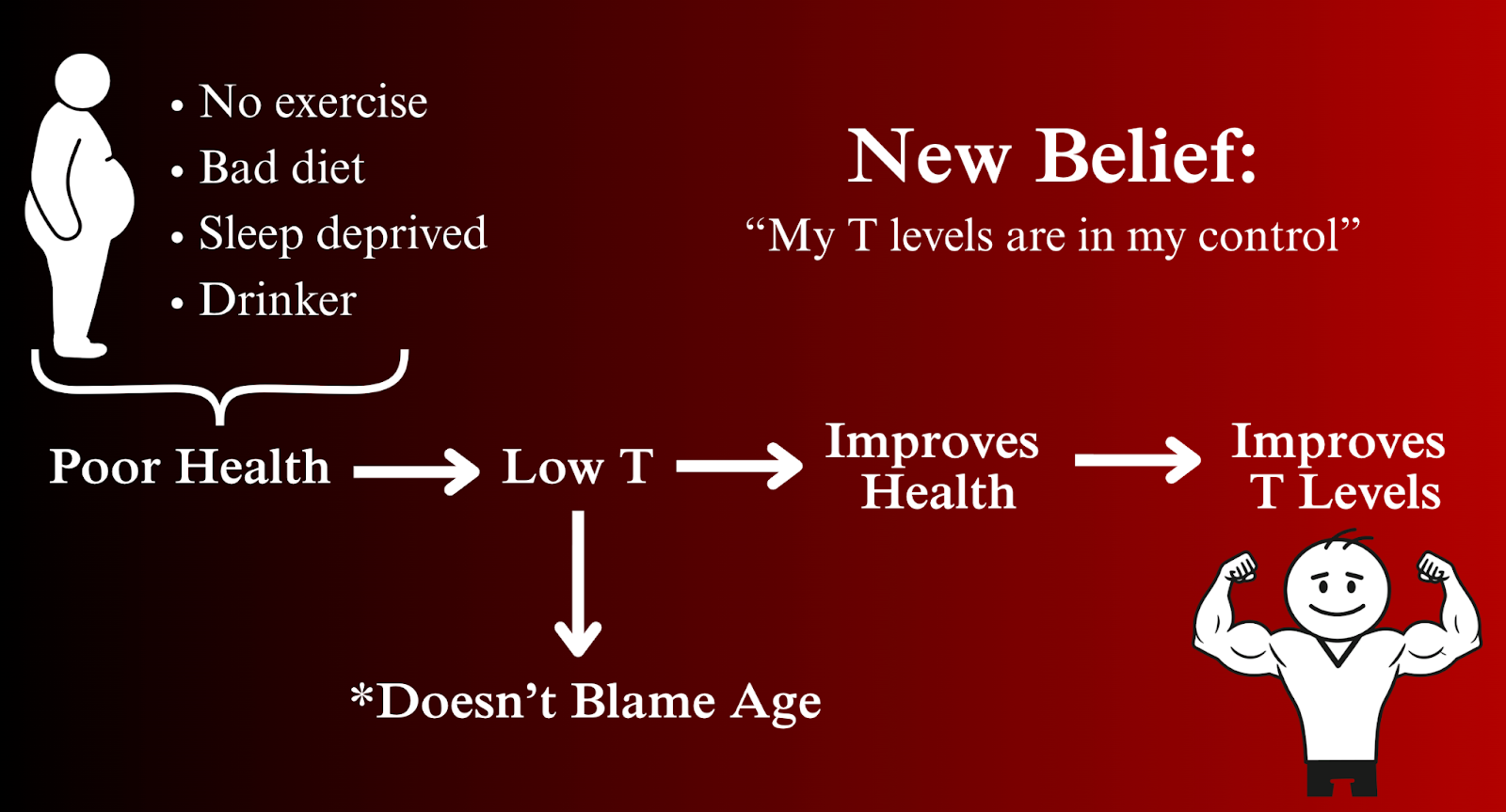
Free from the limiting belief that aging condemns you to low testosterone, you are now empowered to take action to improve your testosterone levels.
Here’s how to do just that…
How to Naturally Optimize Your Testosterone Levels at Any Age
I’ll preface by saying that there’s far more that goes into optimizing your testosterone levels than can be discussed in one article, so to keep it brief, I’ll provide you with a quick overview of the main pillars I prioritize with clients.
Since your testosterone levels are a byproduct of your general health, optimizing them involves dialing in all aspects of your health, which can be broken down into two subcategories: mental and physical.
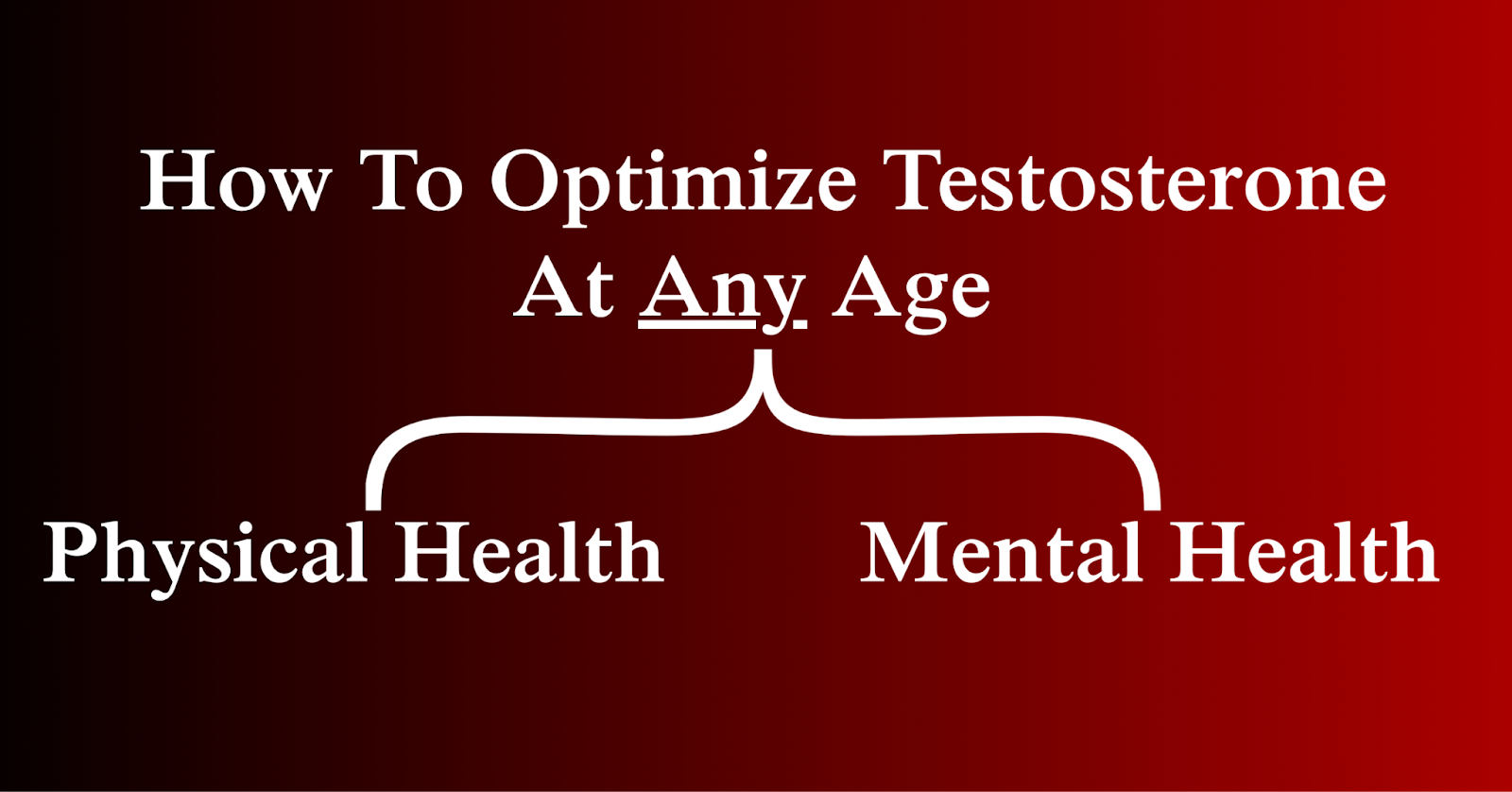
Mental Health & Mindset
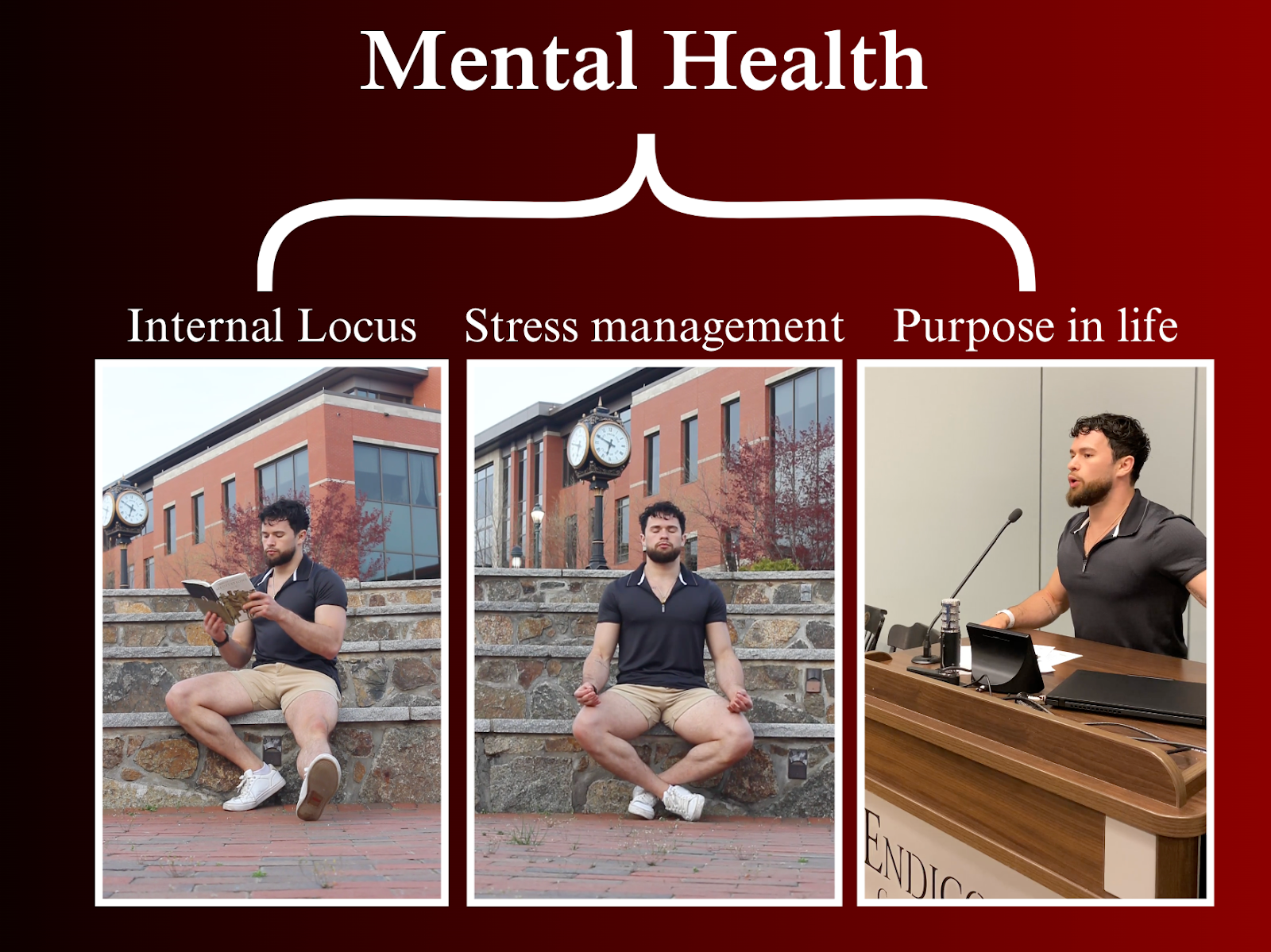
I always start with mental health and mindset because none of the physical health protocols matter unless you consistently operate under an internal locus of control.
If you don’t, it’s all too easy to make excuses as to why you can’t execute on them.
You might start to tell yourself that you don’t have time to get enough sleep, which is why you’re too tired to exercise, and next thing you know, you have low testosterone.
While having an internal locus of control is the foundation for making any positive changes in life, it doesn't come naturally, so it needs to be trained consistently, otherwise you will lose it, like a muscle.
For this reason, I highly encourage all men to practice Stoicism, because one of the core themes of Stoic Philosophy is to control what you can control.

Stoicism is also the best life philosophy I’ve come across for another pillar of mental health…
Stress management
When one is under chronic unmanaged stress, excess cortisol prevents testosterone from binding to its receptors and performing its functions, so managing stress is a must for healthy testosterone production.
In addition to studying stoicism, the benefit of just ten minutes of meditation per day is instrumental for minimizing stress.
Physical Health
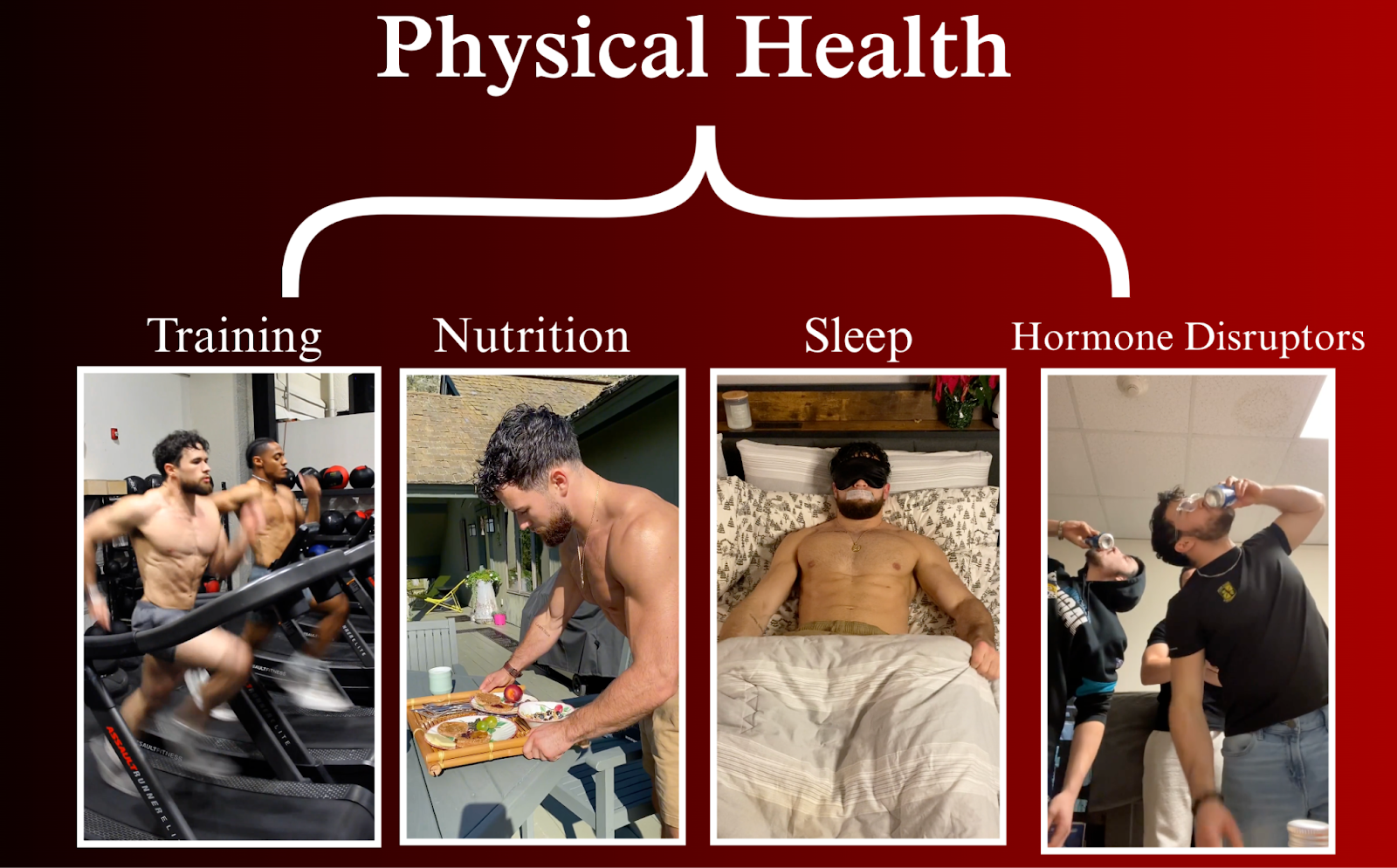
Training
Regular exercise is mandatory for testosterone optimization. The weekly protocol that I’ve found works best for most men is:
- Four one-hour sessions of full body strength training.
- Two one-hour sessions of steady state zone II cardio.
Nutrition
You need to not only eliminate foods that actively detract from your health, but also include a variety of nutrient dense foods to ensure you are delivering all the vitamins and minerals your body needs to produce testosterone optimally.
The Paleo diet simultaneously achieves both of these objectives.
Sleep
Both quantity (7-9 hours) and quality are equally important.
Hormone Disruptors
There are thousands of chemicals in our environment that prick away at men’s testosterone levels in the modern world.
Eliminating these chemicals from your life, including those you might intentionally put into your body (like alcohol and marijuana), is more important than most men realize.
Testosterone Transformation Academy
If you’ve been struggling with low testosterone and need help implementing these protocols into your life, I highly encourage you to check out the Testosterone Transformation Academy; a one on one men’s health coaching program I’ve developed to help men optimize their testosterone levels naturally.

Optimize your testosterone levels naturally, using science.
Having Healthy Testosterone Levels is Your Moral Duty
Beyond improving your own quality of life, there are self-transcending reasons why I believe it is your moral duty to take charge of your health and testosterone levels, especially as you age.
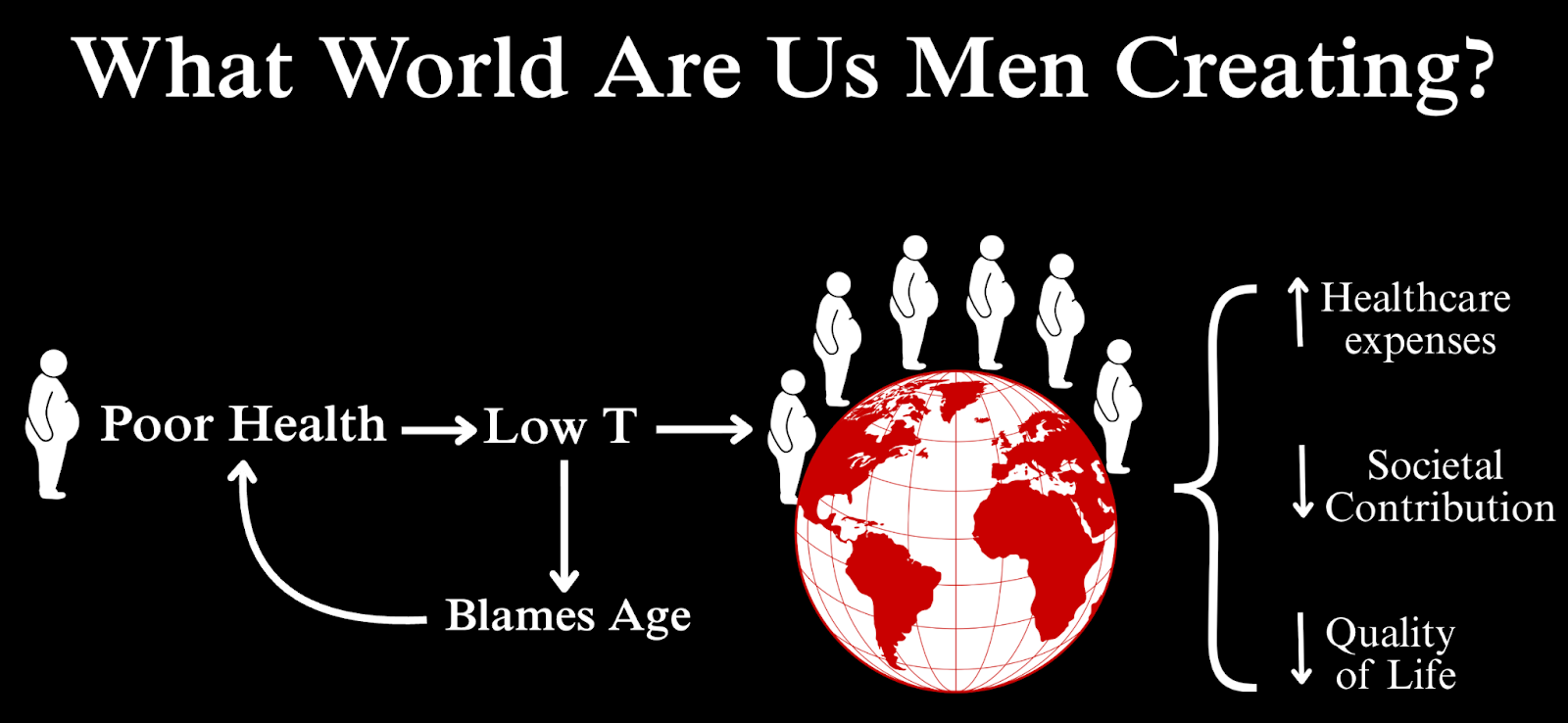
The Testosterone Decline Crisis
While testosterone levels are declining in men of all ages (11), low testosterone is much more common in older men (4). Again, not just because of their age, but more so because of the accumulation of chronic diseases over time (9).
More Old Men = More Low Testosterone Cases
After growing five times faster than the total population between 1920-2020, the percentage of the U.S. population aged 65 and older reached an all time high of nearly 17% in 2020 (2).
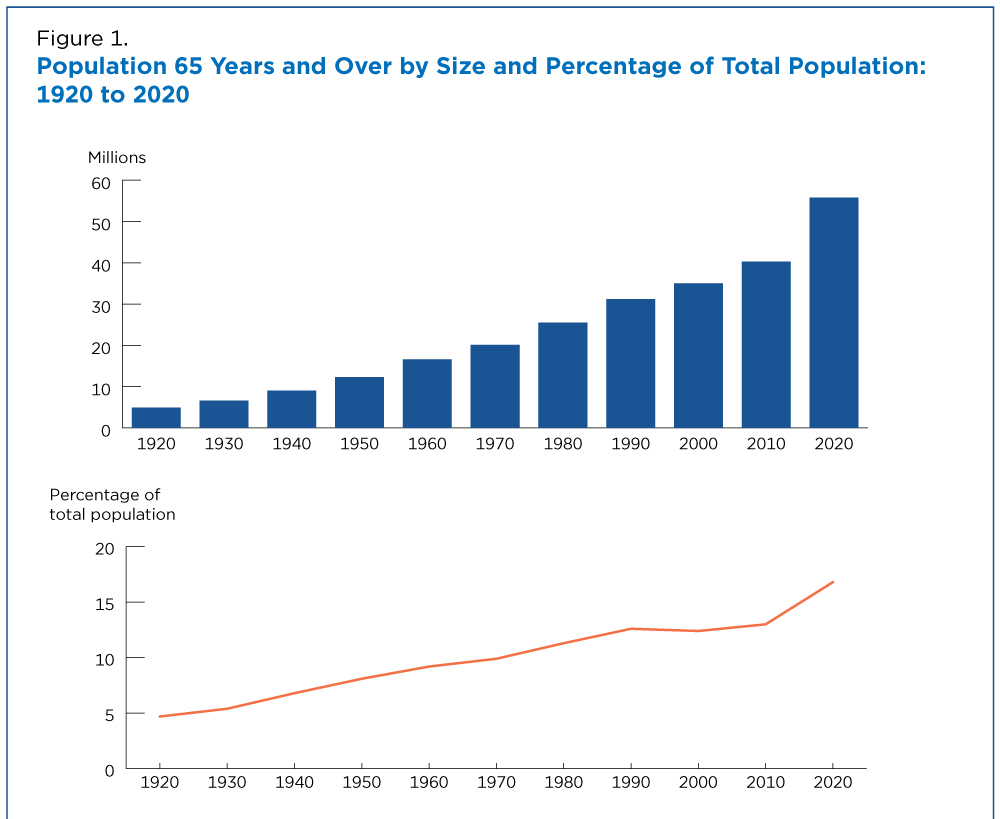
Since low testosterone is more common in older men, we can expect the prevalence of low testosterone to continue rising along with the growing geriatric population.
Older Men Living Longer = Testosterone Levels Dropping Lower
But it’s not just that there are more people making it to old age, they’re also living longer once they get there. Life expectancy is on pace to exceed its pre-pandemic pinnacle (8).
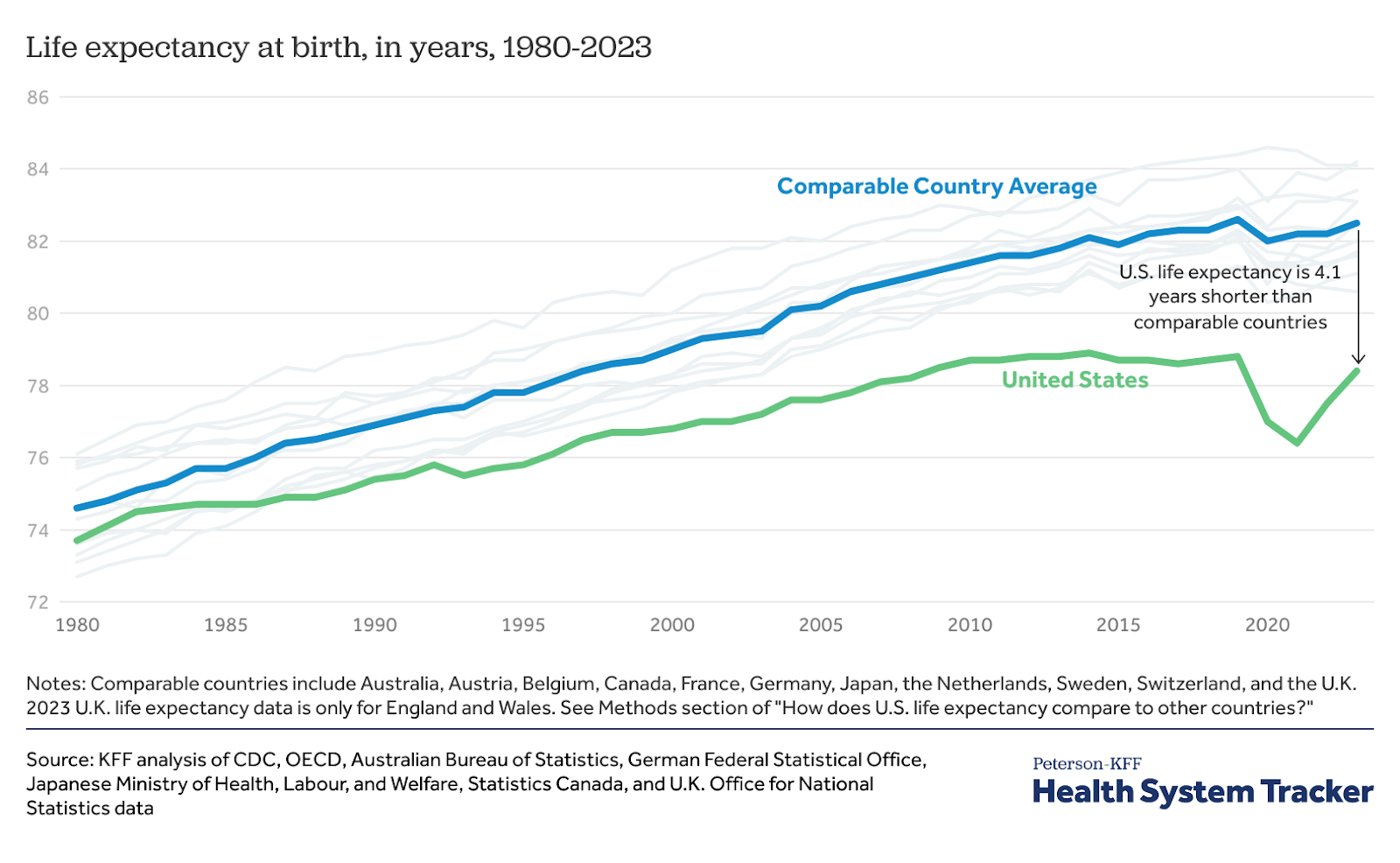
Since there is an inverse correlation between age and testosterone levels, we can also expect testosterone levels to drop lower as we live longer.
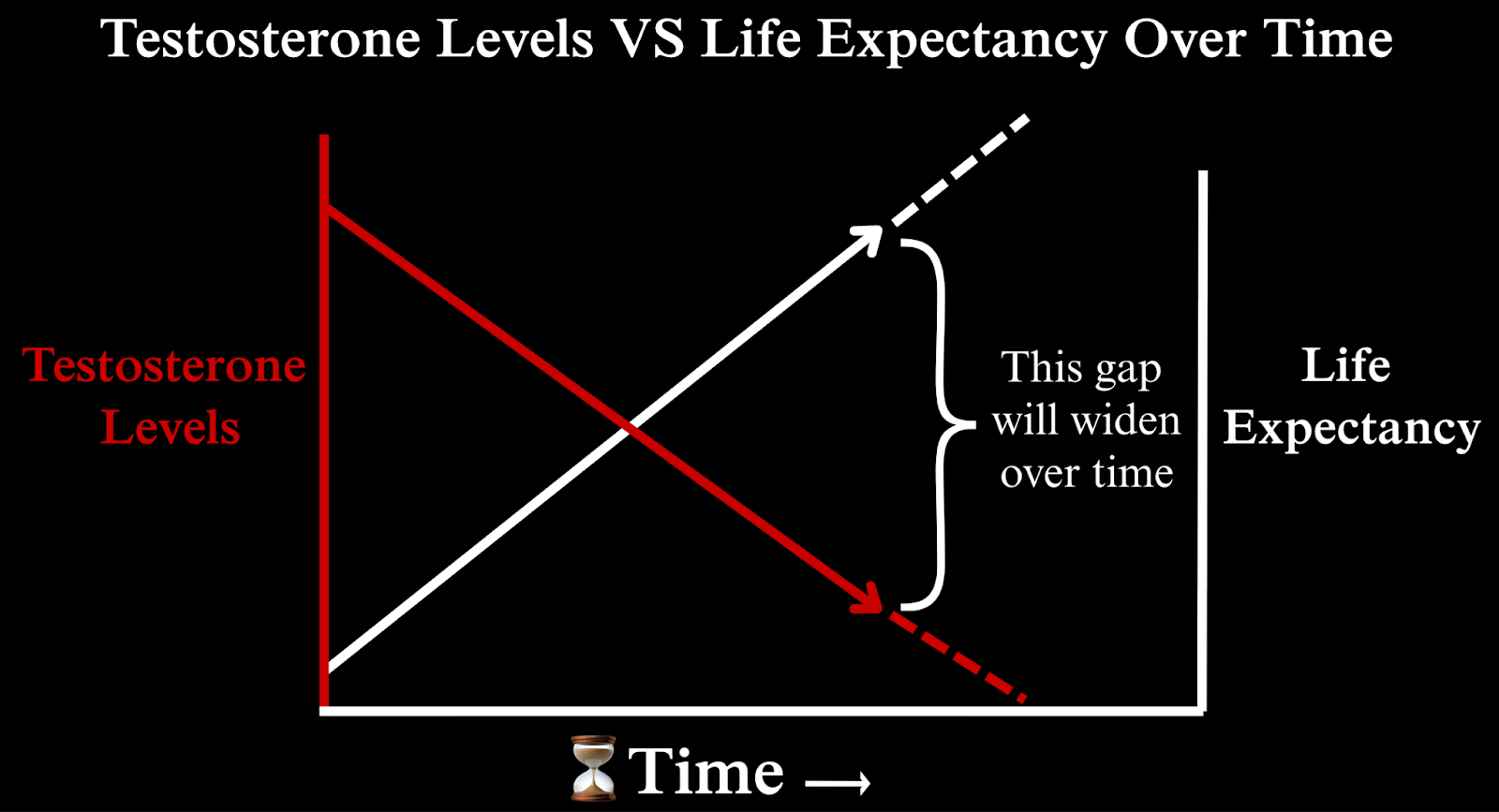
Because testosterone levels are a barometer of health, the inverse correlation between lifespan and testosterone levels indicates that although our lifespan is increasing (that is, we are living longer), our healthspan is not.
So we have two distinct yet related interactions between age and testosterone levels. Unless major changes are made…
- As the number of older men increases, so will cases of low testosterone.
- As older men live longer, their testosterone levels will drop lower.
Both of these relationships are problematic for the subjective wellbeing of men because low testosterone is associated with reduced quality of life and increased risk of all-cause mortality (7), making testosterone decline in elderly men a serious public health concern with reverberating implications for our economy...
Economic Toll of Low Testosterone
Ninety percent of America’s $4.9 trillion in annual health care expenditures (accounting for nearly 20% of our nation’s GDP and rising) are spent on preventable chronic diseases (3), which are significantly more prevalent in the elderly.
An increasing amount of that money is being spent on pharmaceuticals, but evidently, they're not working, because although the U.S. has the highest per person healthcare spending among peer nations ($13,432 per capita in 2023), this spending did not translate into longer lifespans (8).
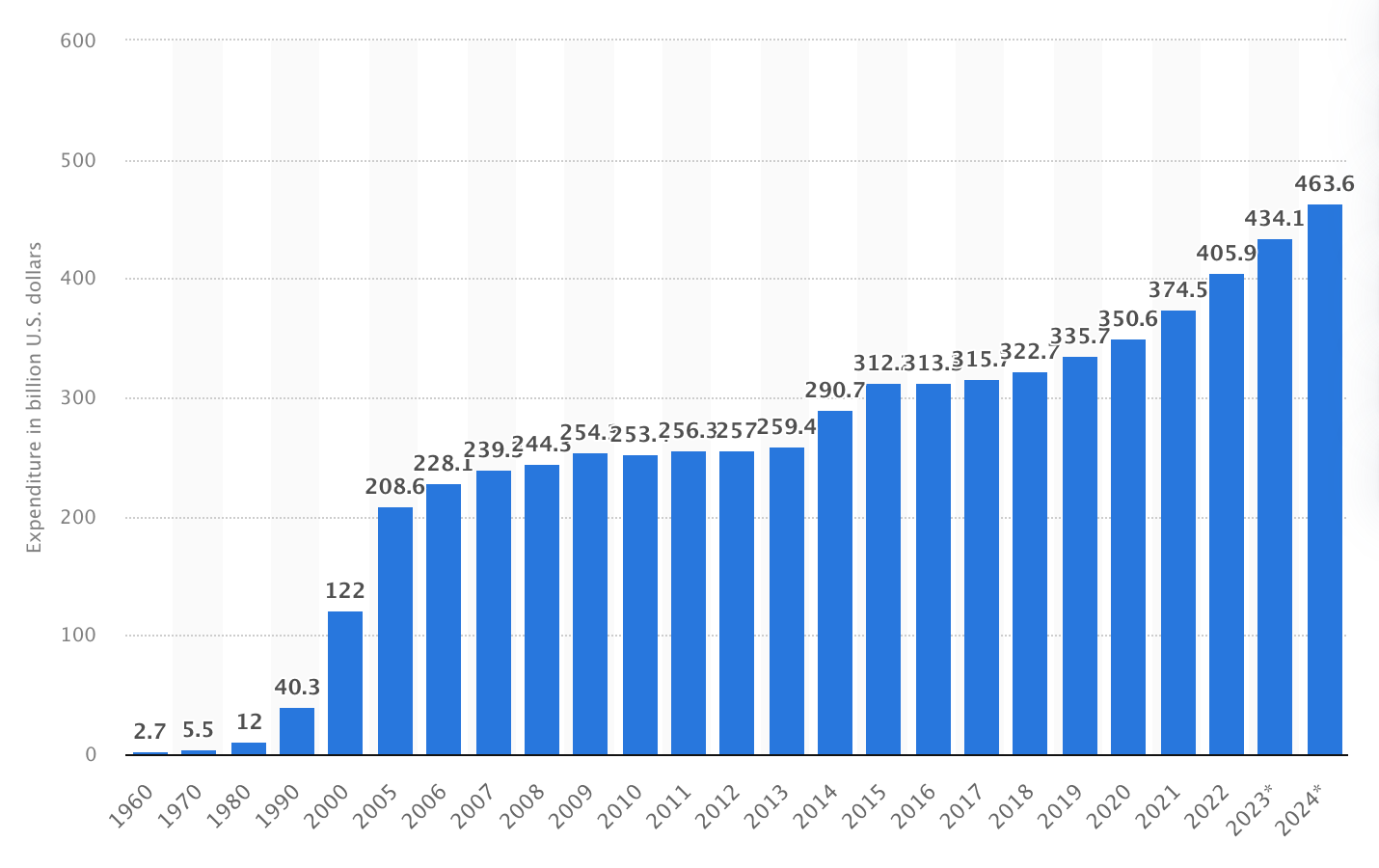
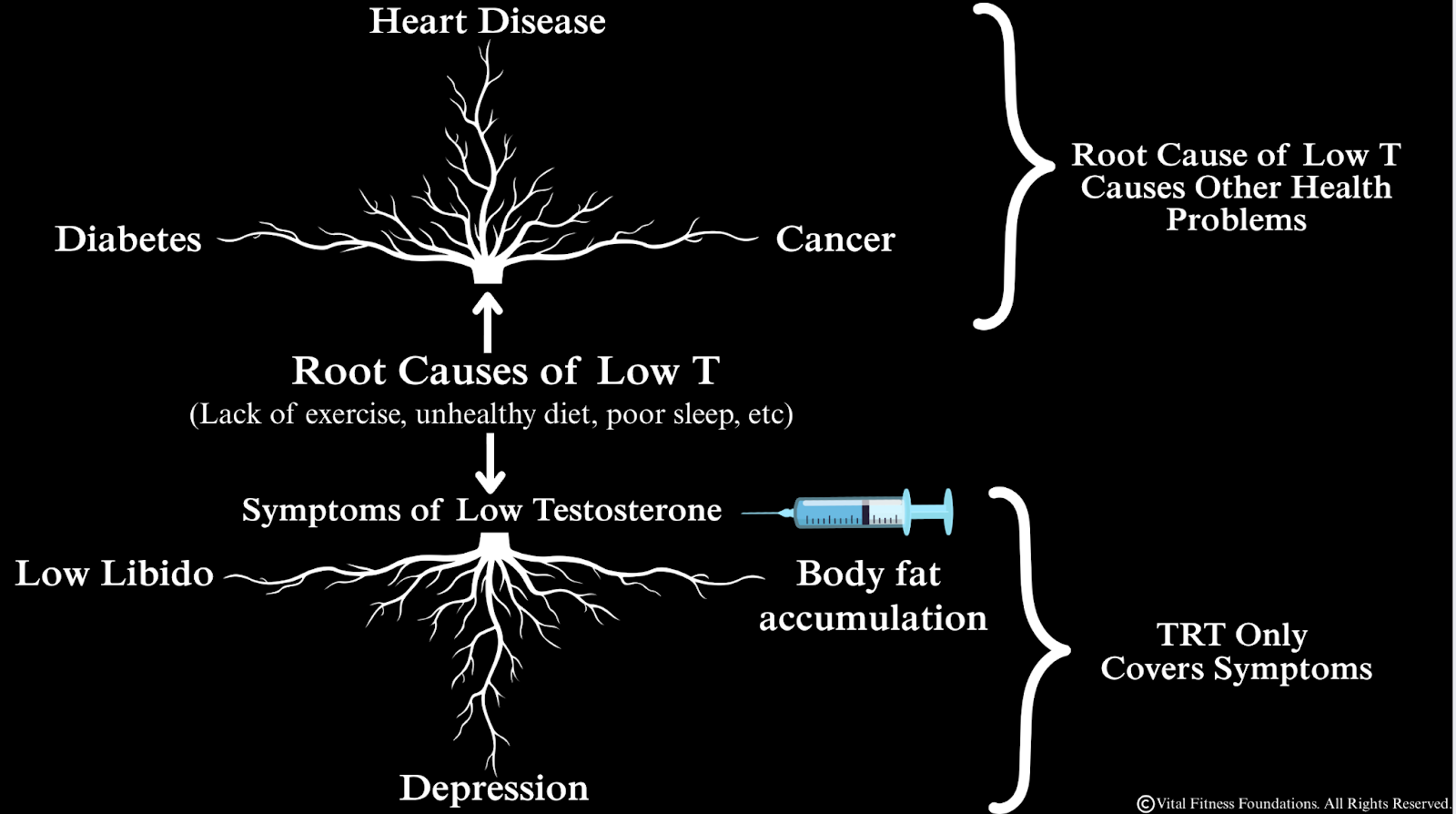
Increased pharmaceutical spending has not solved the chronic disease epidemic because, in most cases, pharmaceuticals merely mask symptoms while leaving root causes unaddressed.
TRT is Not The Solution
The typical solution to low testosterone, TRT, will not solve the low testosterone crisis for the same reason; TRT does not address the underlying health problems that engender low testosterone in the first place, and when left unaddressed, it's only a matter of time before those same health problems give rise to other chronic diseases.
Chronic Disease & Low Testosterone
There is a reciprocal relationship between low testosterone and chronic disease; low testosterone increases the risk of many chronic diseases, and most chronic diseases contribute to low testosterone.
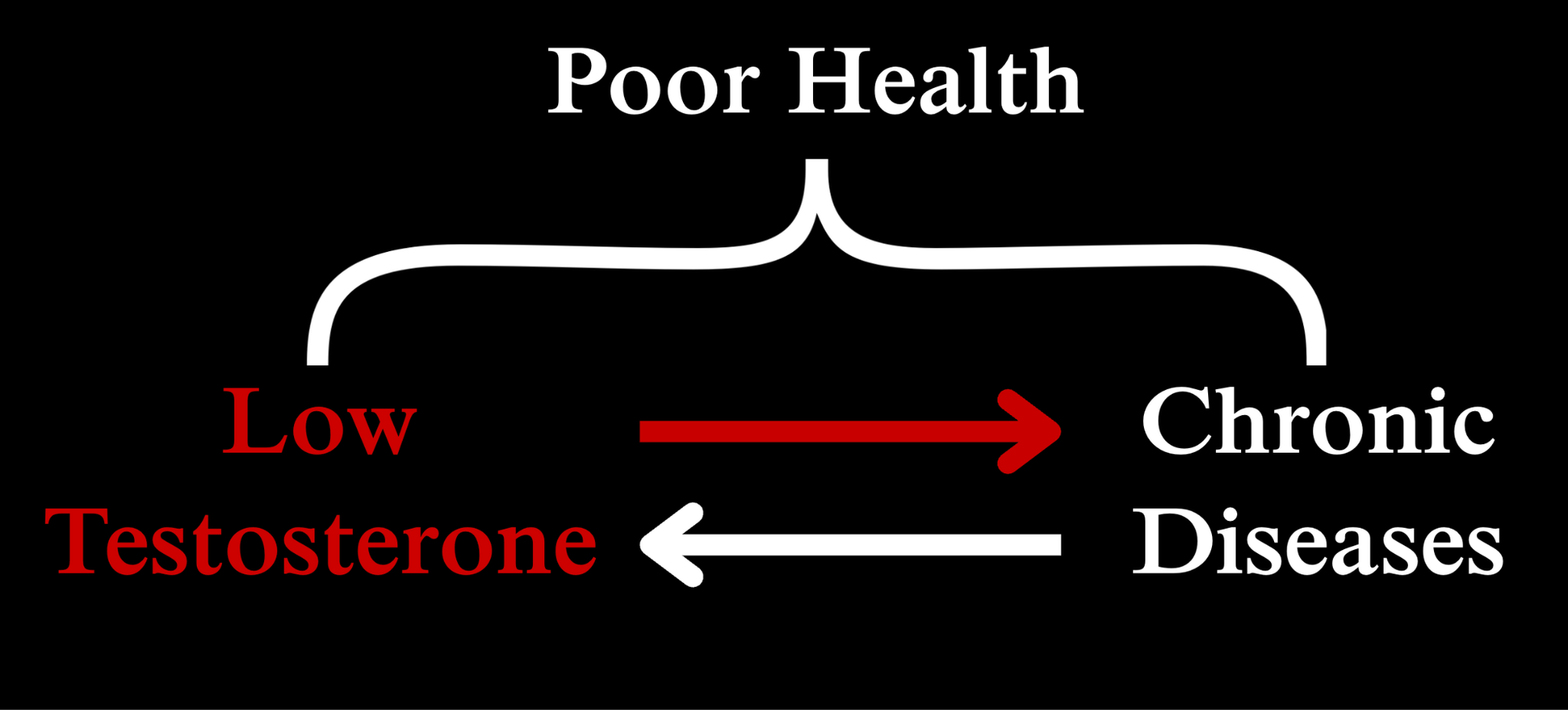
And since chronic diseases tend to crop as people get older, there is also an inverse correlation between testosterone levels and chronic disease with age.
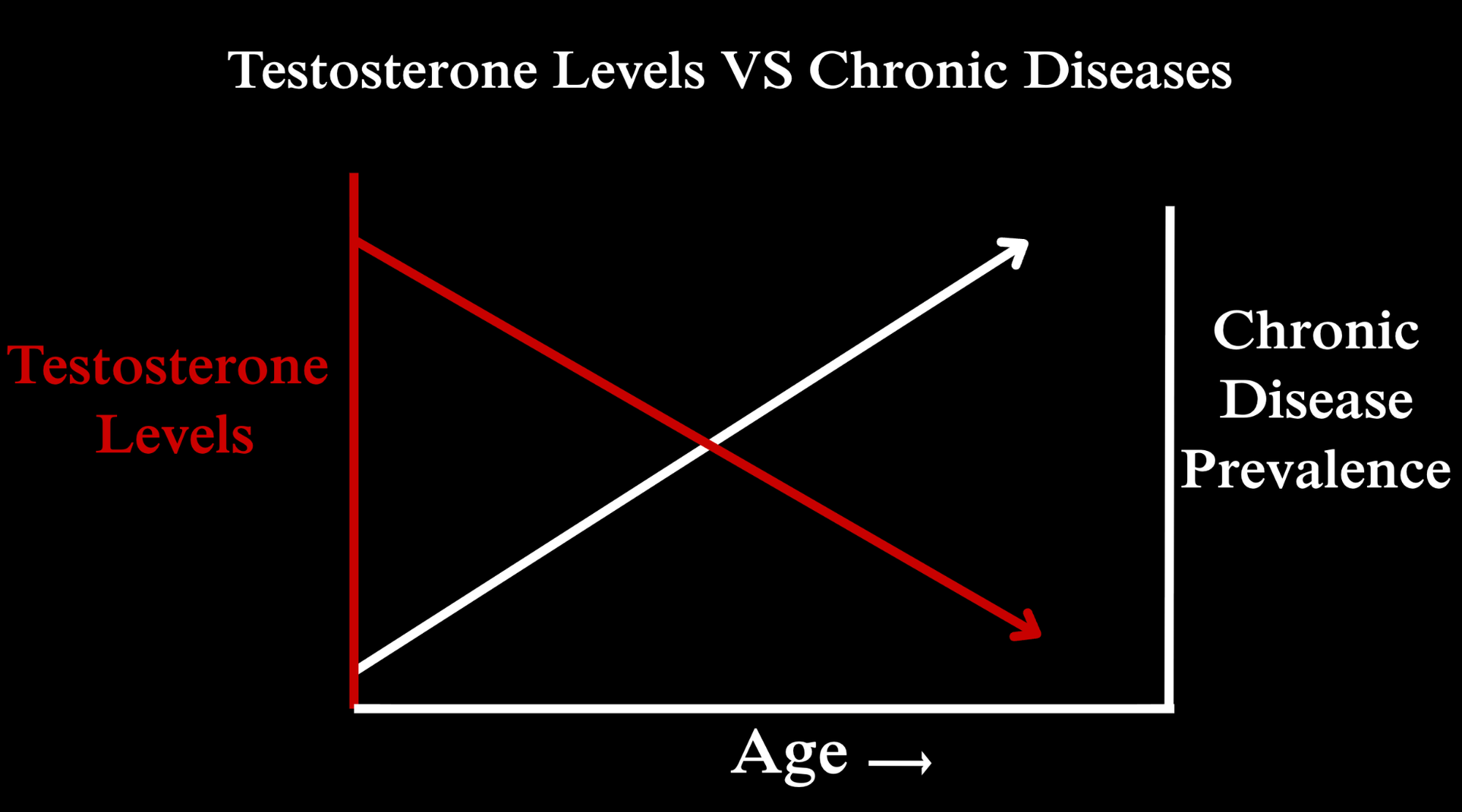
Since both low testosterone and chronic diseases are ultimately caused by poor general health, they can be thought of as manifestations of an overarching health epidemic.
Coming full circle, to simultaneously address the epidemics of chronic disease and low testosterone (which are more prevalent in the elderly and unnecessarily bleed our economy of precious capital), we must focus our attention on solving the poor health habits at the root of both of these issues, which is why it is your moral duty to do so for yourself.
So even though there may be some truth to the notion that testosterone levels decline with age, it becomes an issue when it gets blown out of proportion to the point where it distracts us from focusing all of our attention on addressing the epidemic of poor health that is the root cause of the chronic diseases that drive down testosterone levels with age.
And because testosterone is a crucial determinant of longevity and functionality with age, if we are to create a society where:
- Healthspan and quality of life matches lifespan...
- Men are able to live as productive contributors until the day they die...
- Healthcare spending is reduced to free up GDP for higher purposes...
Then we must:
- Dispel the limiting beliefs that aging
- Educate men about how they can optimize their health and testosterone.
- Abandon the drug first approach to disease management.
My hope is that this article will serve that mission by inspiring you to do your part by taking care of yourself, because no one else can do it for you.
If you know of anyone who could benefit from this information, or if my message resonates with you and you would like to propagate it, don't hesitate to share this article liberally.
And if you'd enjoy more informational content like this, feel free to subscribe.
References
- Camacho, E. M., Huhtaniemi, I. T., O'Neill, T. W., Finn, J. D., Pye, S. R., Lee, D. M., Tajar, A., Bartfai, G., Boonen, S., Casanueva, F. F., Forti, G., Giwercman, A., Han, T. S., Kula, K., Keevil, B., Lean, M. E., Pendleton, N., Punab, M., Vanderschueren, D., Wu, F. C., … EMAS Group. (2013). Age-associated changes in hypothalamic-pituitary-testicular function in middle-aged and older men are modified by weight change and lifestyle factors: Longitudinal results from the European Male Ageing Study. European Journal of Endocrinology, 168(3), 445–455. https://doi.org/10.1530/EJE-12-08901
- Caplan, Zoe. (2023, May 25). U.S. older population grew from 2010 to 2020 at fastest rate since 1880 to 1890. United States Census Bureau. https://www.census.gov/library/stories/2023/05/2020-census-united-states-older-population-grew.html
- Centers for Disease Control and Prevention. (n.d.). Fast facts: Health and economic costs of chronic conditions. https://www.cdc.gov/chronic-disease/data-research/facts-stats/index.html
- Fabbri, E., An, Y., Gonzalez-Freire, M., Zoli, M., Maggio, M., Studenski, S. A., Egan, J. M., Chia, C. W., & Ferrucci, L. (2016). Bioavailable testosterone linearly declines over a wide age spectrum in men and women from the Baltimore Longitudinal Study of Aging. The Journals of Gerontology: Series A, Biological Sciences and Medical Sciences, 71(9), 1202–1209. https://doi.org/10.1093/gerona/glw021
- Feldman, H. A., Longcope, C., Derby, C. A., Johannes, C. B., Araujo, A. B., Coviello, A. D., Bremner, W. J., & McKinlay, J. B. (2002). Age trends in the level of serum testosterone and other hormones in middle-aged men: Longitudinal results from the Massachusetts male aging study. The Journal of Clinical Endocrinology and Metabolism, 87(2), 589–598. https://doi.org/10.1210/jcem.87.2.8201
- Kelsey, T. W., Li, L. Q., Mitchell, R. T., Whelan, A., Anderson, R. A., & Wallace, W. H. (2014). A validated age-related normative model for male total testosterone shows increasing variance but no decline after age 40 years. PLoS ONE, 9(10), e109346. https://doi.org/10.1371/journal.pone.0109346
- Muehlenbein, M. P., Gassen, J., Shattuck, E. C., & Sparks, C. S. (2022). Lower testosterone levels are associated with higher risk of death in men. Evolution, Medicine, and Public Health, 11(1), 30–40. https://doi.org/10.1093/emph/eoac044
- Rakshit, S., & McGough, M. (2025, January 31). How does U.S. life expectancy compare to other countries? Peterson-KFF Health System Tracker. https://www.healthsystemtracker.org/chart-collection/u-s-life-expectancy-compare-countries/#Life%20expectancy%20at%20birth,%20in%20years,%201980-2023
- Sartorius, G., Spasevska, S., Idan, A., Turner, L., Forbes, E., Zamojska, A., Allan, C. A., Ly, L. P., Conway, A. J., McLachlan, R. I., & Handelsman, D. J. (2012). Serum testosterone, dihydrotestosterone and estradiol concentrations in older men self-reporting very good health: The healthy man study. Clinical Endocrinology, 77(5), 755–763. https://doi.org/10.1111/j.1365-2265.2012.04432.x
- Travison, T. G., Araujo, A. B., Kupelian, V., O'Donnell, A. B., & McKinlay, J. B. (2007a). The relative contributions of aging, health, and lifestyle factors to serum testosterone decline in men. The Journal of Clinical Endocrinology and Metabolism, 92(2), 549–555. https://doi.org/10.1210/jc.2006-1859
- Travison, T. G., Araujo, A. B., O'Donnell, A. B., Kupelian, V., & McKinlay, J. B. (2007b). A population-level decline in serum testosterone levels in American men. The Journal of Clinical Endocrinology and Metabolism, 92(1), 196–202. https://doi.org/10.1210/jc.2006-1375