Why Your Protein Sources Are Tanking Your Testosterone (And What to Eat Instead)

If you're a man trying to get in great shape and increase your testosterone levels naturally, but you're struggling to hit your protein goals, this article is for you.
Because I'm going to explain why artificial protein sources are harming your testosterone production. But I'm not just going to tell you what not to eat. I'm going to give you the best all-natural sources of protein that will also support testosterone production, and then wrap up with some actionable strategies you can use to hit your protein goals more consistently.
Here's what we're covering:
- Why protein is directly tied to testosterone production (most guys have no idea how deep this goes).
- The protein sources quietly suppressing your testosterone levels, including ones marketed as "healthy."
- The master list of excellent protein sources to build your diet around.
- Simple strategies to consistently hit your protein target without relying on supplements.
But even if you get your protein intake right, your testosterone levels won't budge if you aren't also consistently doing everything else that's necessary to optimize your testosterone levels naturally. Protein is just one small piece of the puzzle.
Most men get stuck hyperfixating on one or two variables (like protein) and never realize that their testosterone levels are a reflection of their overall wellbeing.
That's why I created the Testosterone Transformation Academy: a coaching program where I work with you directly to discover what's keeping your testosterone levels down, and help you install a comprehensive series of protocols to remove all the guesswork and ensure you're not missing any pieces of the puzzle. This can save you years of trying to figure it all out on your own.
Without further adieu, let's get into it.
What Protein Actually Is (And Why It Matters)
Proteins are chains of amino acids. Amino acids are the little building blocks that, when combined, create a protein.
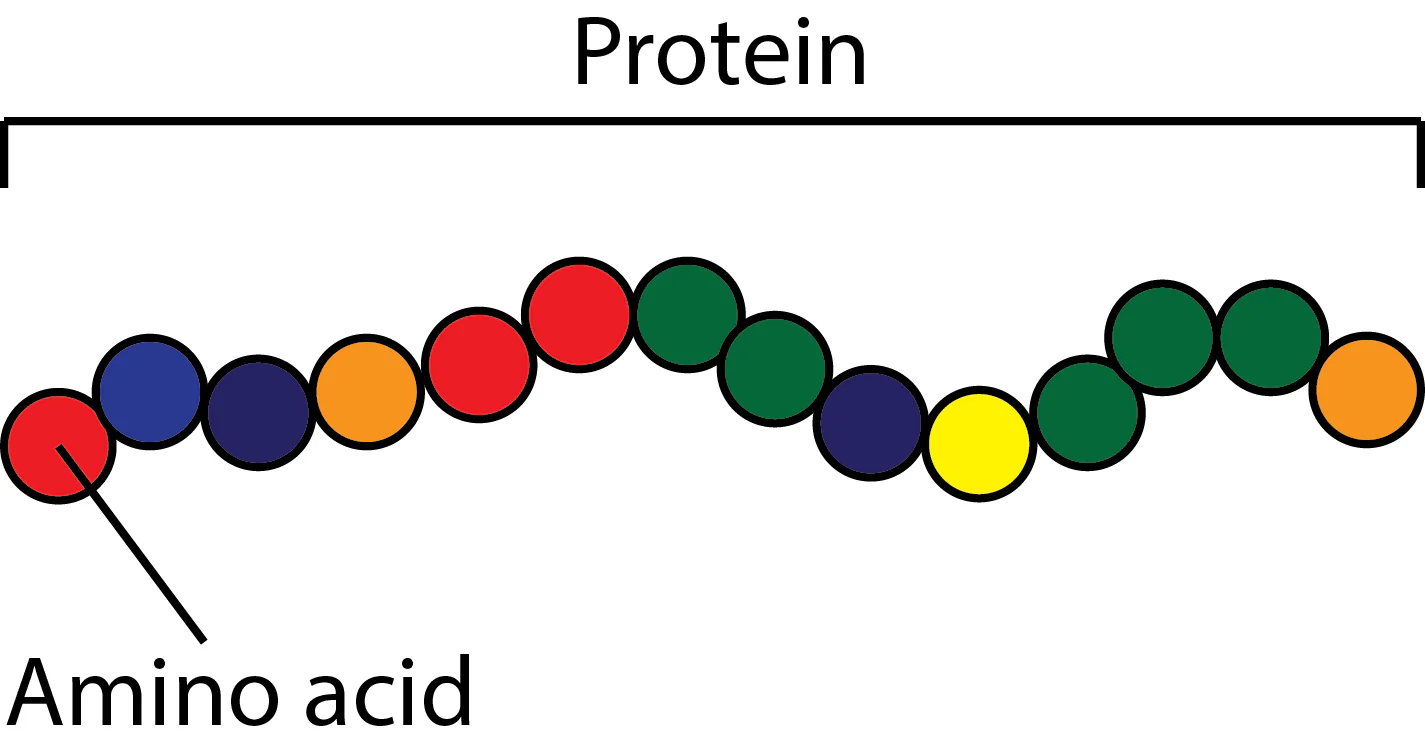
There are 20 amino acids in total. Eleven are non-essential, meaning your body can make them on its own. The other nine are essential, meaning you have to get them through food because your body can't synthesize them.
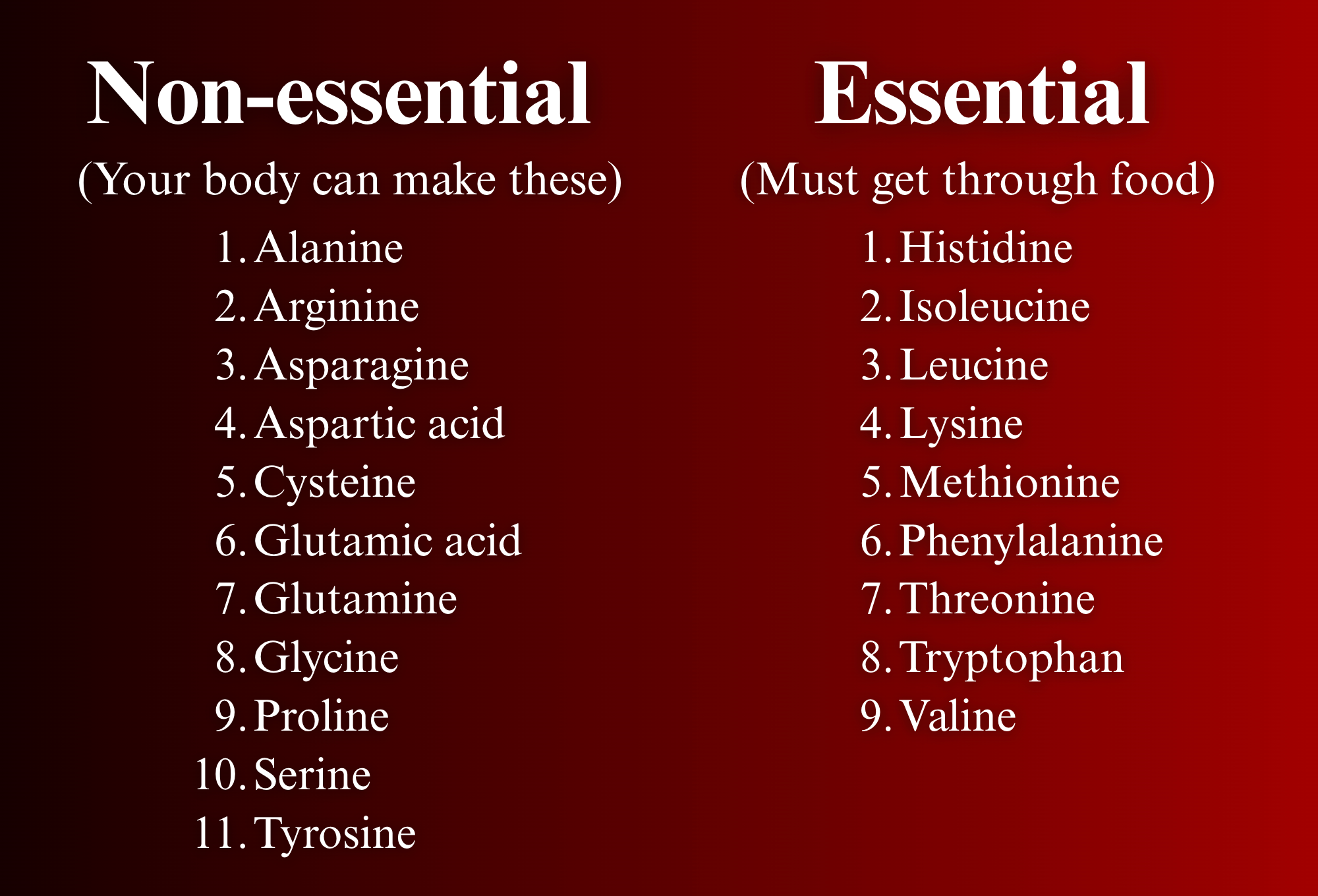
This is why eating complete sources of protein matters. A complete protein contains all nine essential amino acids. An incomplete protein is missing one or more of them.
The best complete sources are meat and dairy (which you should eat in moderation). Incomplete sources include grains (oatmeal, whole grain bread), nuts, fruits and vegetables.
This doesn't mean foods that aren't a complete source of protein are inherently bad for you (though you should minimize your grains for other reasons). But since we're talking about high quality protein, you need to know that those sources are incomplete, and you shouldn't count them toward your protein target.
Why Protein and Testosterone Are More Connected Than You Think
Most guys know protein builds muscle. Fewer know that directly it affects testosterone levels. Here's how.
Protein triggers IGF-1, which stimulates testosterone production
When you eat protein, it signals your liver to release IGF-1, which stands for insulin-like growth factor. IGF-1 directly stimulates muscle growth and also supports the hormonal environment that promotes testosterone production [1]. Not getting enough protein suppresses this signal entirely.
Low protein raises SHBG, which locks up your testosterone
When you aren't eating enough protein, your body essentially goes into starvation mode. When that happens, it increases SHBG, which is a protein that binds to testosterone and prevents it from exerting its effects. That's why low protein intake decreases the amount of free, available testosterone your body can actually use [2].
(Side note, SHBG isn't "bad." It plays many important regulatory roles in the body. But when levels are too high due to situations like low protein intake, free testosterone levels can decline unnecessarily).
Low protein raises cortisol, which blocks testosterone
Not getting enough protein also leads to muscle breakdown, because your body is looking for a source of energy. And from a survival standpoint, it actually prefers to break down muscle over fat, because muscle is metabolically expensive to maintain. The process of breaking down muscle requires elevations in cortisol, which reciprocally inhibits testosterone [3]. So when you're not getting enough protein, cortisol goes up, and testosterone production goes down.
Your testosterone receptors are made of protein
This one surprises most people. The receptors on your cells that testosterone binds to in order to exert its effects are themselves made of protein. So if you're not getting enough protein in your diet, your body can't create the sites that testosterone attaches to. Even if your testosterone levels are healthy, it doesn't have a way to get into your cells and be used.
Protein isn't just a macronutrient for muscle. It's a foundational requirement for testosterone to function at all.
How Much Protein Do You Actually Need?
A great rule of thumb is about 1 gram per pound of bodyweight. You can go down to 0.8, but that's about as low as you want to go if your goal is to optimize muscle growth, fat loss, and testosterone production.
You don't need to overdo it though. Research suggests that eating more than 1.54 grams of protein per pound of bodyweight may have a negative effect on testosterone levels, likely due to liver stress from excess protein metabolism and the displacement of testosterone-supporting fats and carbohydrates from your diet [4]. It's worth noting that this threshold is quite extreme, so for most men this isn't a practical concern. But if you're aggressively tracking macros, it's worth knowing the upper limit.
So the target is 1 gram per pound of bodyweight. No need to go beyond that.
How to Evaluate Any Protein Source
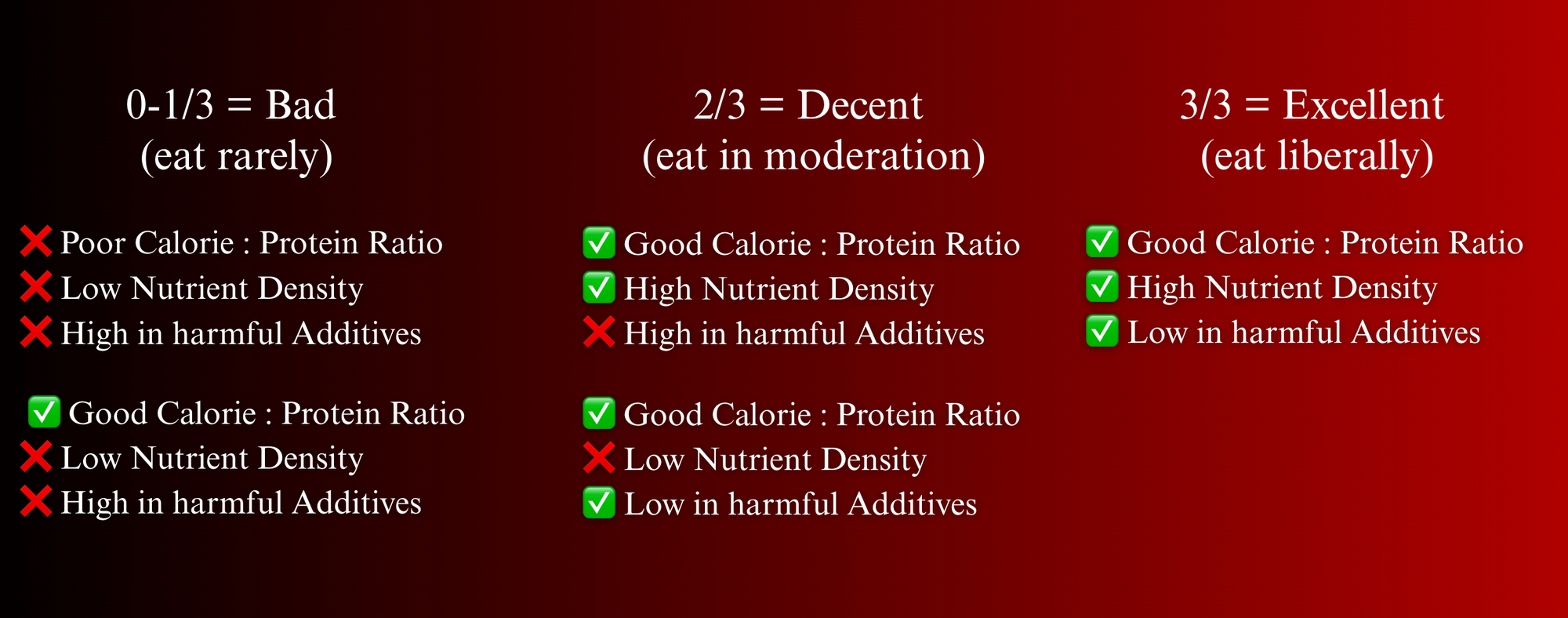
Before we get into specific foods, here's the framework I use. Every protein source gets evaluated on three criteria.
1) Calorie to protein ratio
You want at least 10 grams of protein per 100 calories. To calculate this yourself: divide the grams of protein by the total calories in that food, then multiply by 100. Foods in the 8 to 10 gram range are decent. Below 8, it's not really a protein source.
2) Nutrient density
Does the food contain meaningful vitamins and minerals? A food can have a great protein ratio yet devoid of testosterone supporting micronutrients. Egg whites are a good example. Pure protein but almost no micronutrients.
3) Harmful additives
Does it contain ingredients that actively work against your health, things like seed oils, artificial sweeteners, nitrates, soy isolate, or added sugars? If so, whatever protein it contains isn't worth the damage everything else causes.
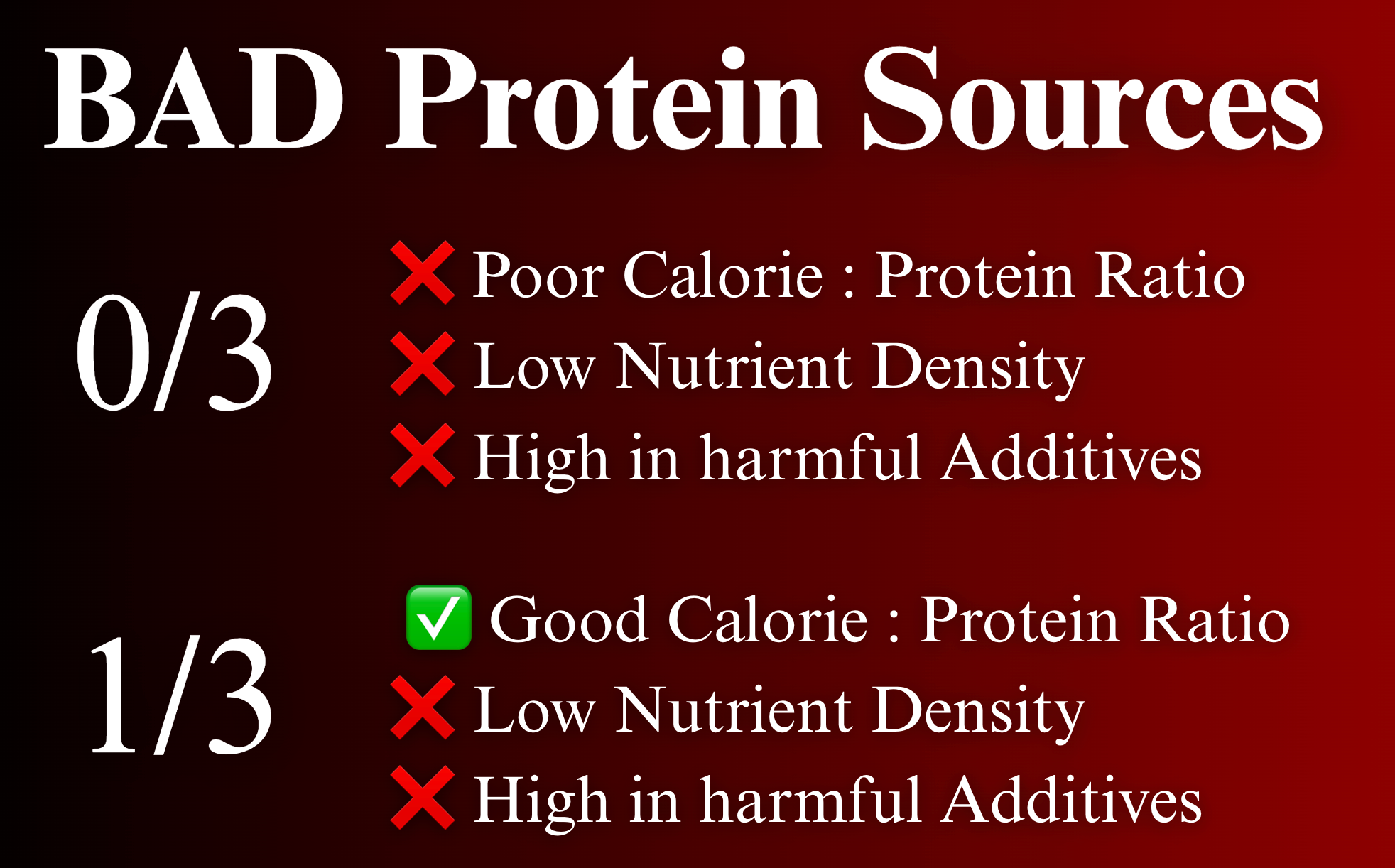
An excellent protein source hits all three. A decent source hits two, and one of those has to be the calorie to protein ratio. A bad source hits one or fewer. Simple as that.
Bad Protein Sources: What to Stop Eating
Protein bars
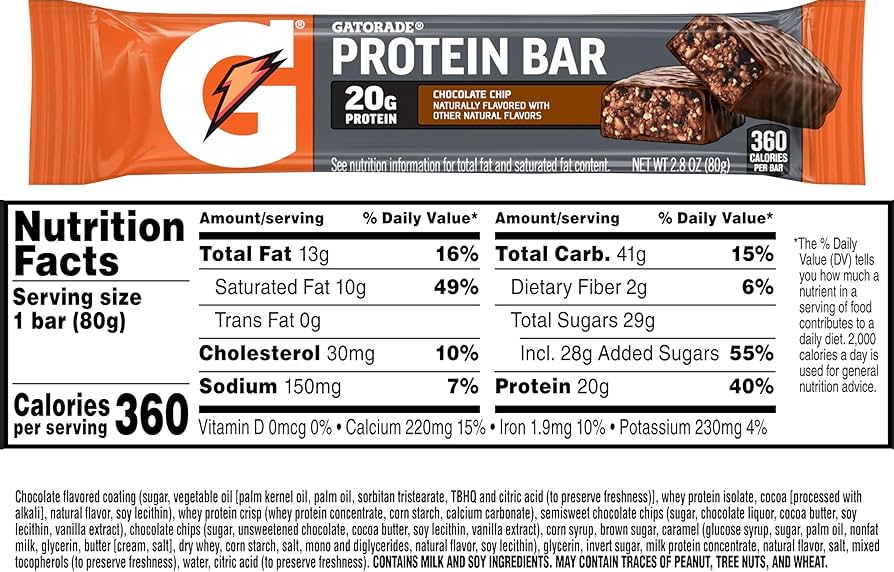
Let's use the Gatorade protein bar as an example. It has 5.7 grams of protein per 100 calories, which is well below the threshold. There are only 20 grams of protein in a 350-calorie bar. To meet our standard, that bar would need 35 grams.
Beyond the poor ratio, the ingredient list is full of problems. Added sugars, industrial vegetable oils that go rancid and oxidized in the body and cause inflammation in your blood vessels, modified corn starch, and a long list of unnatural ingredients your body doesn't recognize. When your body can't recognize an ingredient, it mounts an inflammatory response. And the more things causing damage and oxidative stress in your body, the lower your testosterone goes, because your testosterone levels are a reflection of your overall health.
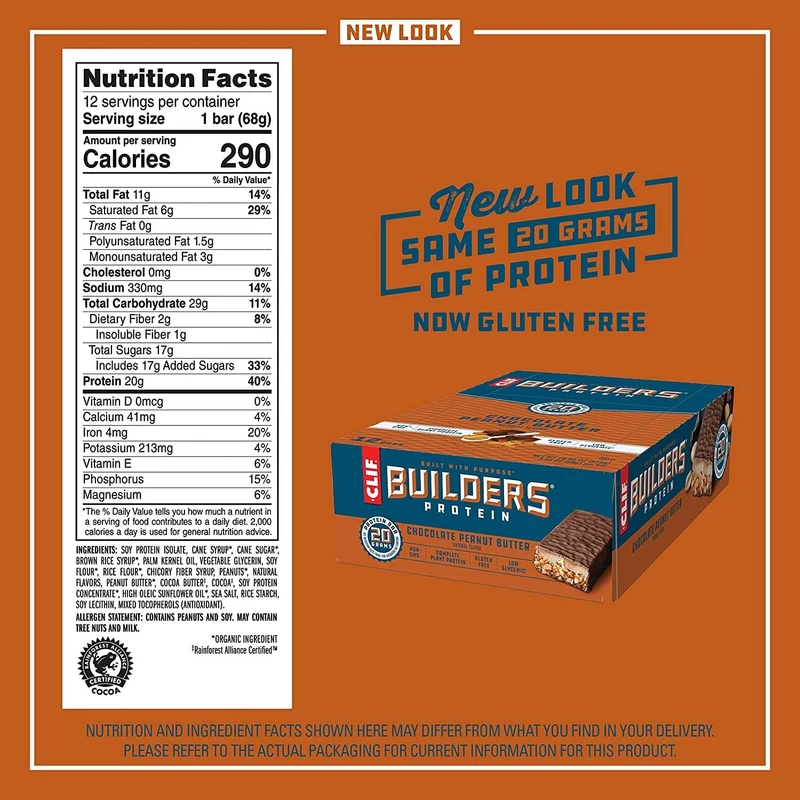
The Clif Builder bar isn't better. 6.9 grams of protein per 100 calories, no meaningful vitamins or minerals, and the first three ingredients are soy protein isolate, cane sugar, and brown rice syrup. These are basically candy bars in disguise with added vegetable oils.
The bigger problem with protein supplements
Even setting aside the bad ingredients, protein bars and shakes have a problem most people miss. They're hyper-palatable, meaning they're engineered to taste far better than any natural food. Once your taste buds get used to that, whole foods like Greek yogurt and blueberries don't taste as good in comparison. That makes you more likely to keep reaching for the bar and less likely to eat the foods that actually support your health long term.
There's also a calorie budget problem. Say you're on a 2,500 calorie diet and 30% of your calories come from protein. That's 750 protein calories for the day. If you eat a 150-calorie protein bar and a 300-calorie shake, that's 450 calories, which is 60% of your entire protein budget, already gone on processed supplements. That only leaves 300 calories worth of protein for all the whole food sources that actually give your body the vitamins and minerals it needs.
The more supplements you use to fill your protein target, the less room you have for the foods that move the needle on your health and your testosterone.
One important note before we go further. If you're just getting started, relatively unfit, and struggling to hit your protein target at all, the net benefit of consistently hitting your goal, even if it requires protein supplements, is greater than only eating clean but falling short. Hit your number first. As you get more consistent, gradually phase out the supplements and replace them with the whole food sources below.
Peanut butter
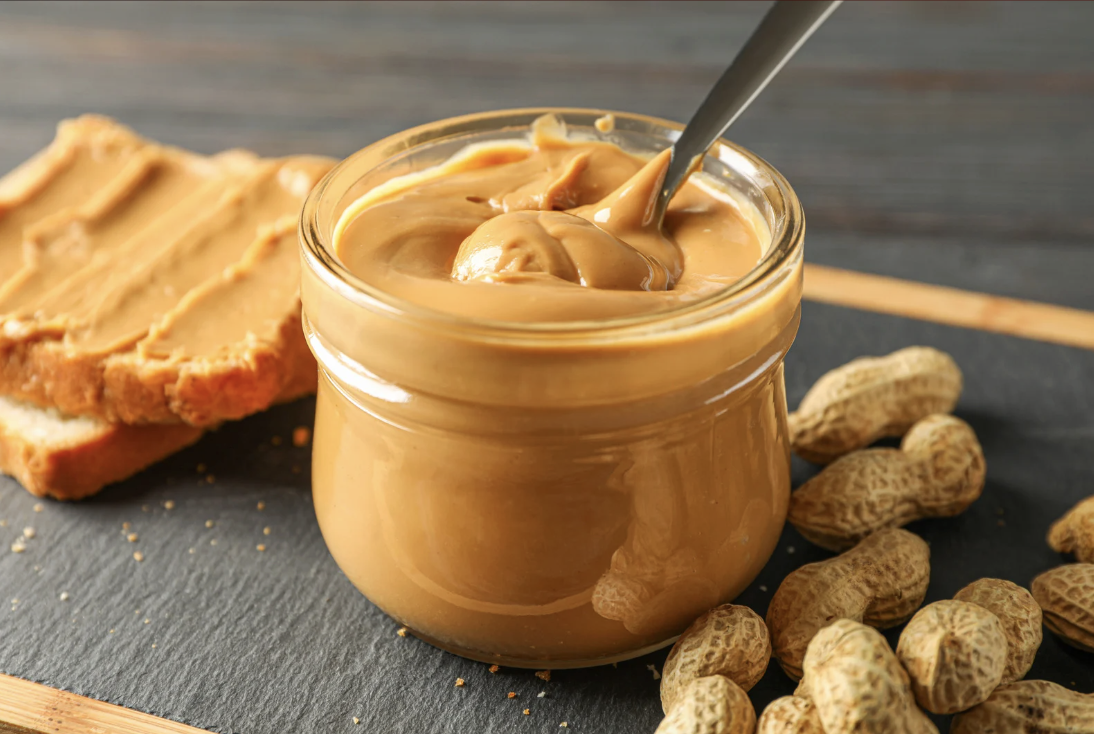
I'm not sure where the myth came from that peanut butter is a good protein source, but it isn't. Two tablespoons have around 190 calories and only 4 to 6 grams of protein. And that protein is incomplete, so you can really only count half of it. Poor ratio, low micronutrients, and if it isn't all-natural, it's probably got added sugars and hydrogenated oils. Don't count peanut butter toward your protein target.
Processed deli meats and hot dogs
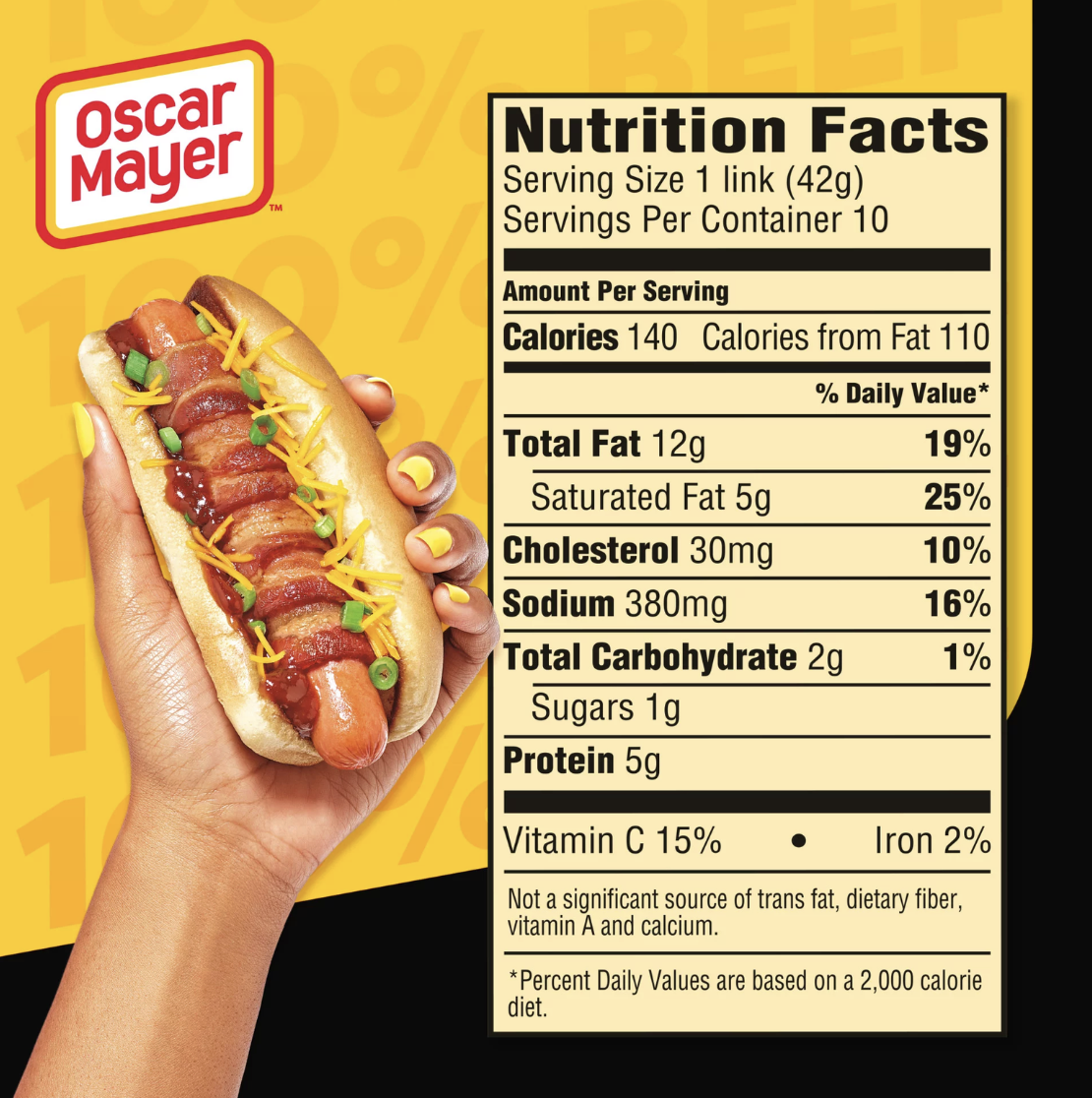
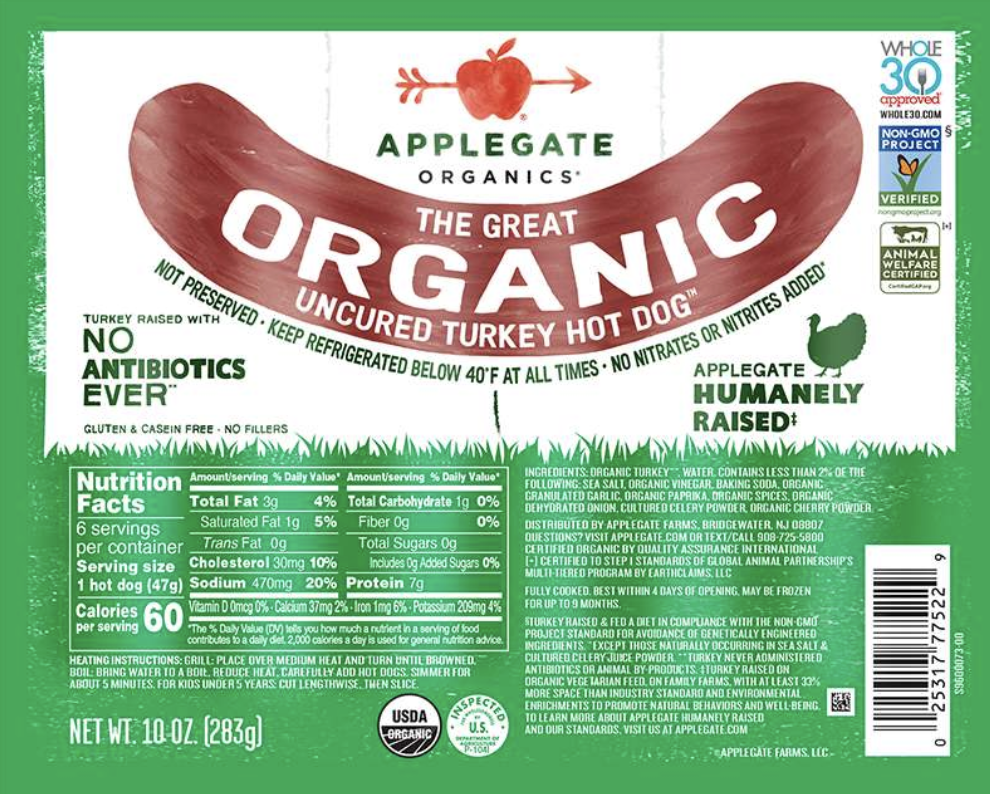
Deli meats like Oscar Meyer actually have a reasonable protein ratio, around 16 grams per 100 calories. But the ratio doesn't save them. They're loaded with nitrates in processed meats, preservatives that are associated with increased colorectal cancer risk, along with artificial colorants, excessive sodium, and virtually zero nutritional value. Hot dogs have the same issues plus a worse protein ratio on top of it. Avoid these entirely.
Decent Protein Sources: Fine in Moderation
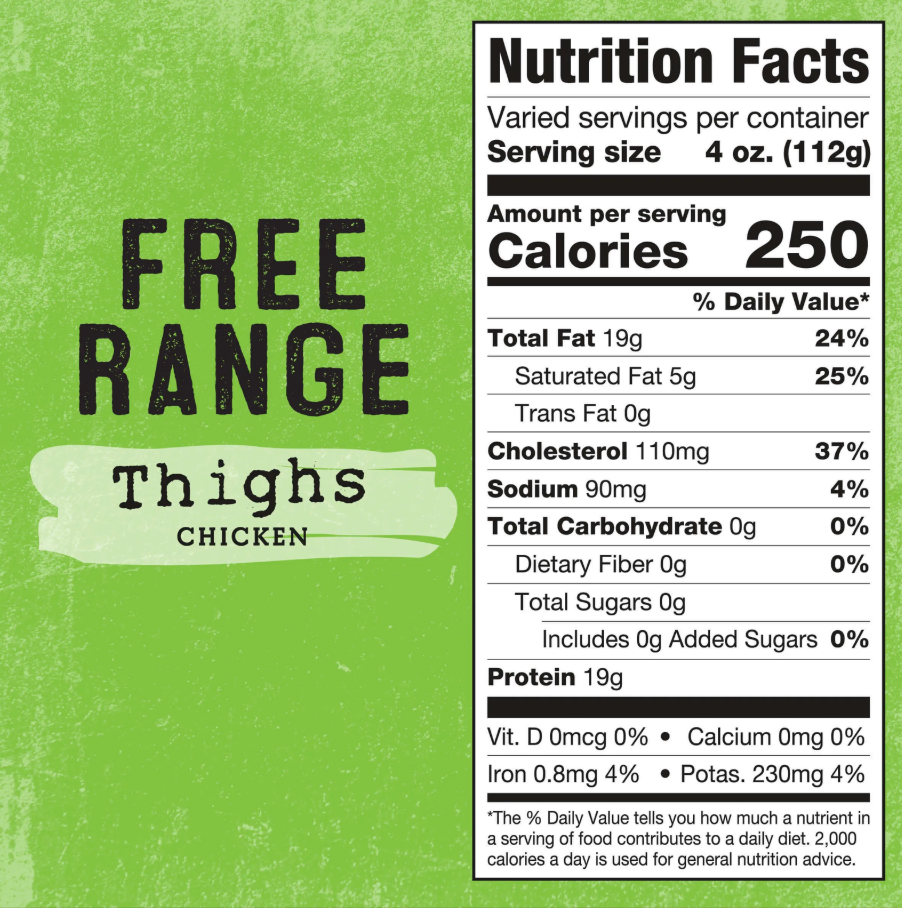
Chicken thighs come in around 8 grams of protein per 100 calories, a bit below the ideal threshold, but they have decent zinc, B vitamins, and iron, plus some healthy fats. Fine to include, just not your main source.
Canned tuna has a great protein ratio and solid omega-3s and selenium. The issues are mercury accumulation and BPA-lined cans. BPA is a well-documented xenoestrogen, meaning it mimics estrogen in the body and has a negative effect on testosterone levels.[5] A few times a week is fine. More than that and you're taking on unnecessary toxin exposure.
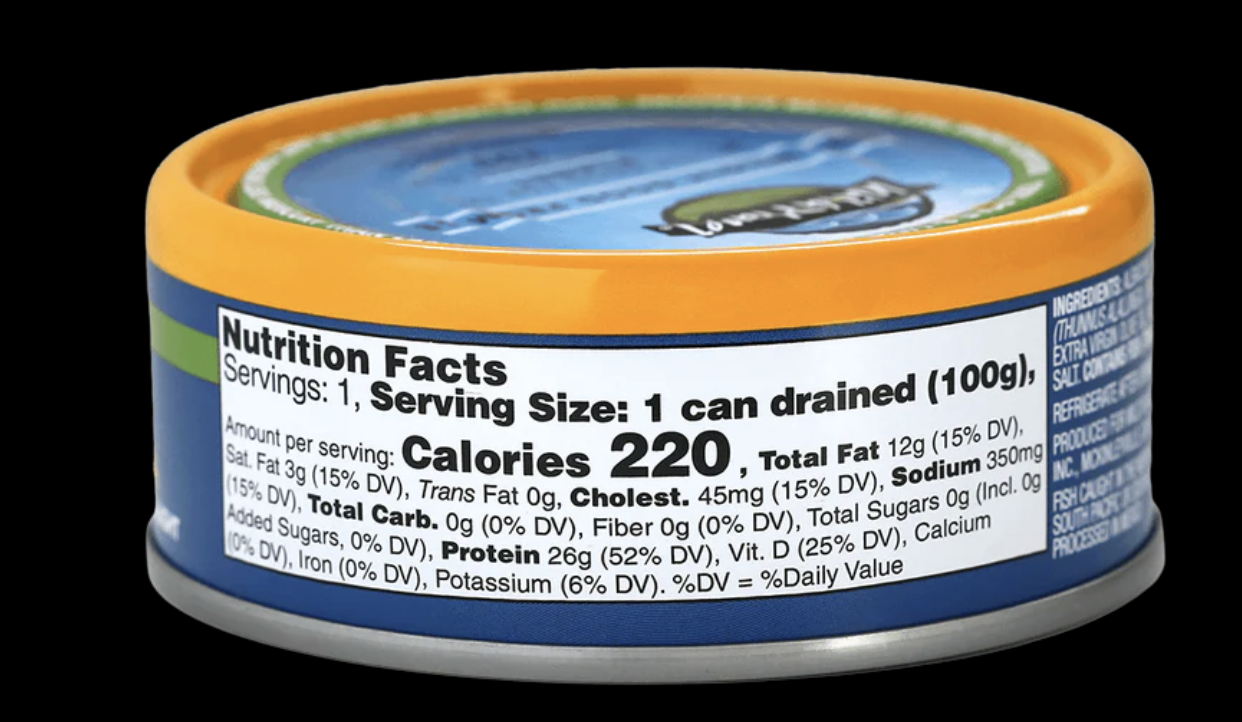
Chicken sausage and turkey hot dogs have acceptable protein ratios and typically not too many harmful additives, but they aren't particularly nutritious. Keep them as a backup option, not a staple.
Pure protein sources like egg whites, 0% Greek yogurt, chicken breast, and whey protein have exceptional protein ratios but minimal micronutrients. If these are the foundation of your diet, you'll be protein-replete and nutrient-deficient. Useful tools, not daily cornerstones.
Excellent Protein Sources: Build Your Diet Around These
These hit all three criteria. Eat these as liberally as your calorie targets allow.
85 to 93% lean grass-fed beef
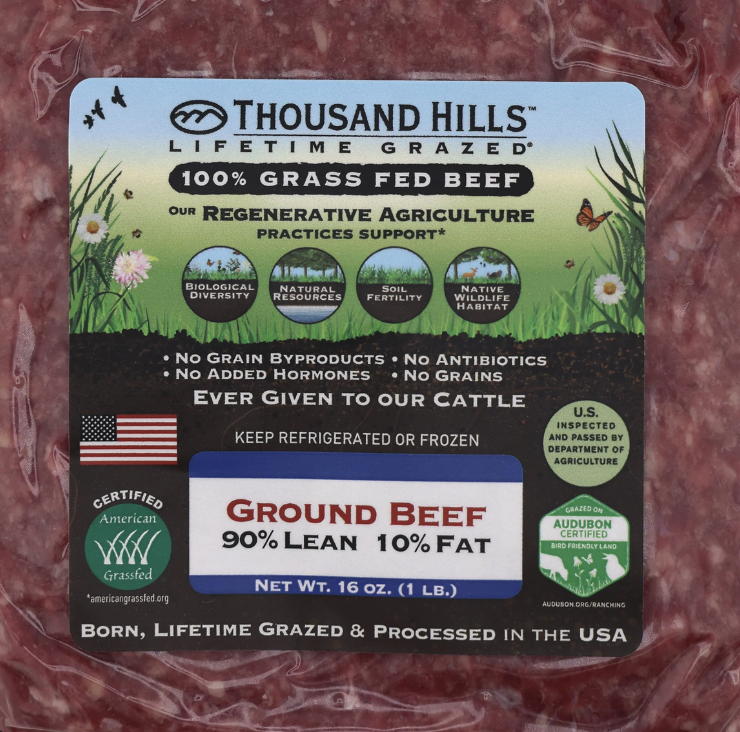
About 11 grams of protein per 100 calories. Beef is one of the most nutrient-dense foods available, loaded with zinc, vitamin B12, B3, iron, and selenium. It also contains saturated fat, which is the parent molecule that gets converted into testosterone.
Research directly examining the relationship between dietary fat intake and testosterone levels in men confirms that adequate saturated fat consumption is important for healthy testosterone production.[6]
When buying ground beef, look for grass-fed and finished, organic if possible, no added hormones, no antibiotics, and paper packaging when you can find it.
The reason grass-fed matters is that cattle fed grains and corn store more fat in the form of omega-6 fatty acids instead of omega-3s. When there's an imbalance between those two fats in your diet, it creates systemic inflammation, which increases oxidative stress and lowers testosterone.
Grass-fed beef has a healthier fat profile because the animal was eating what it evolved to eat.[7] Think of it this way: if a human being ate Doritos and Gummy Bears every day, they'd be unhealthy. Same concept applies to the cattle.
Good brands to look for: Nature's Promise is widely available. If you can find regeneratively raised options with labels that say things like no grain byproducts and no antibiotics, those are even better.
Pasture-raised eggs
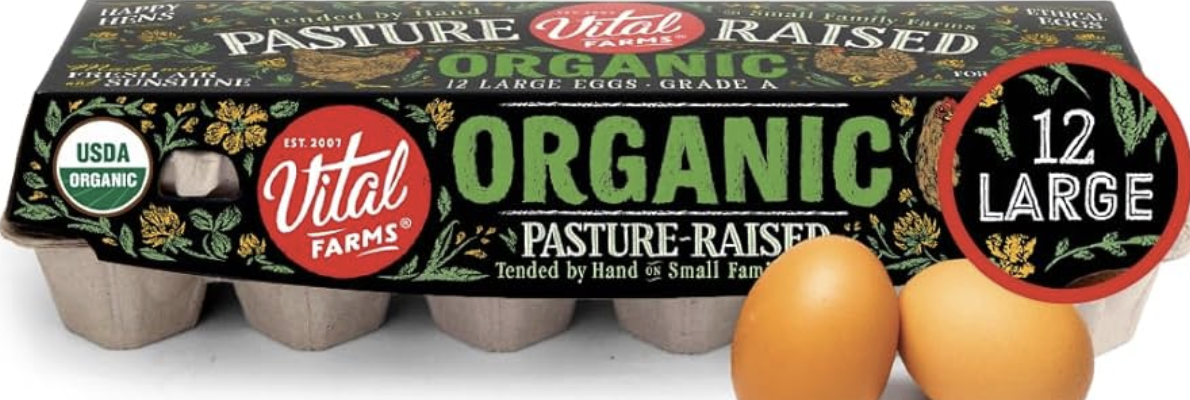
About 8.6 grams of protein per 100 calories, a little below the threshold, but the nutrient density more than compensates. Eggs have a remarkably complete micronutrient profile that directly supports testosterone production.
Look for pasture-raised over free-range or cage-free. When chickens are raised outdoors and eating what they evolved to eat, including grubs, seeds, and grass, the eggs they lay are richer in vitamin D, vitamin A, and omega-3s.[8] You can actually tell a quality egg by the yolk. A deep orange yolk means a nutrient-rich egg. A pale yellow yolk means a nutrient-poor one. Organic when possible to avoid pesticide exposure.
Wild-caught salmon
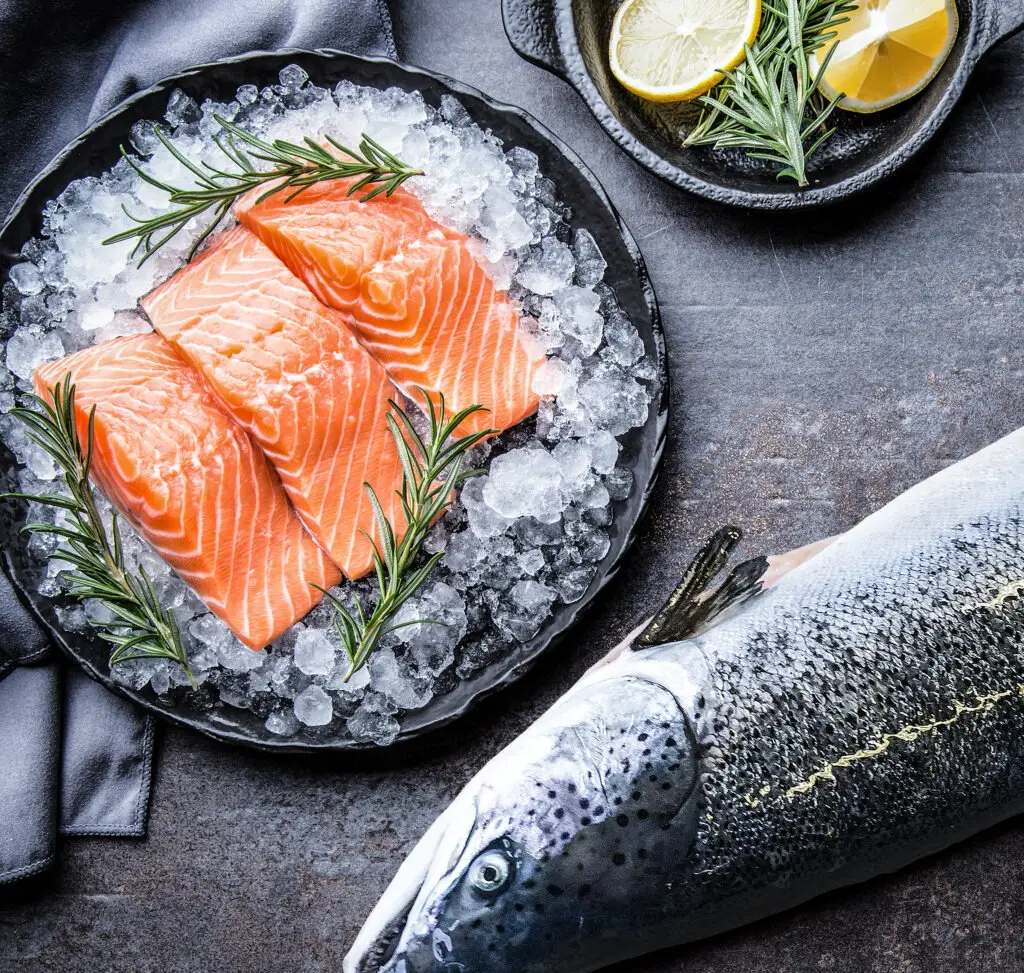
14 grams of protein per 100 calories. Wild-caught significantly outperforms farm-raised on both protein and nutrients. Farm-raised salmon are essentially sedentary, trapped in cages and fed unnatural grain diets, so they have less muscle mass and store more fat. Very similar to what happens to humans when we live that way, which is interesting.
Wild salmon is one of the best sources of omega-3 fatty acids available, which reduce systemic inflammation and support hormone production. Look for Alaskan or coho salmon, a deep orange-red color, and thin white fat lines through the flesh. Thick fat marbling in every crevice is a sign of farm-raised fish, regardless of what the label says.
Sardines
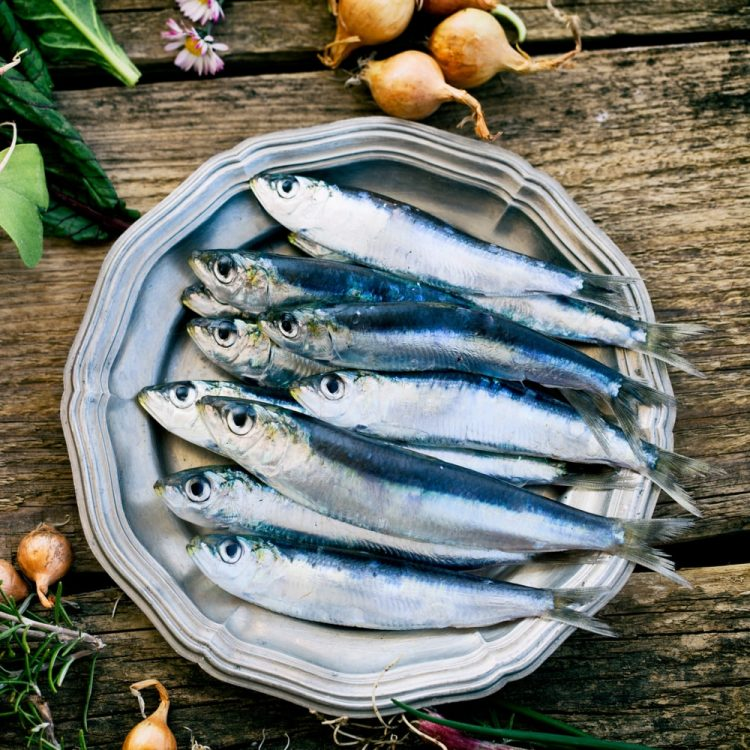
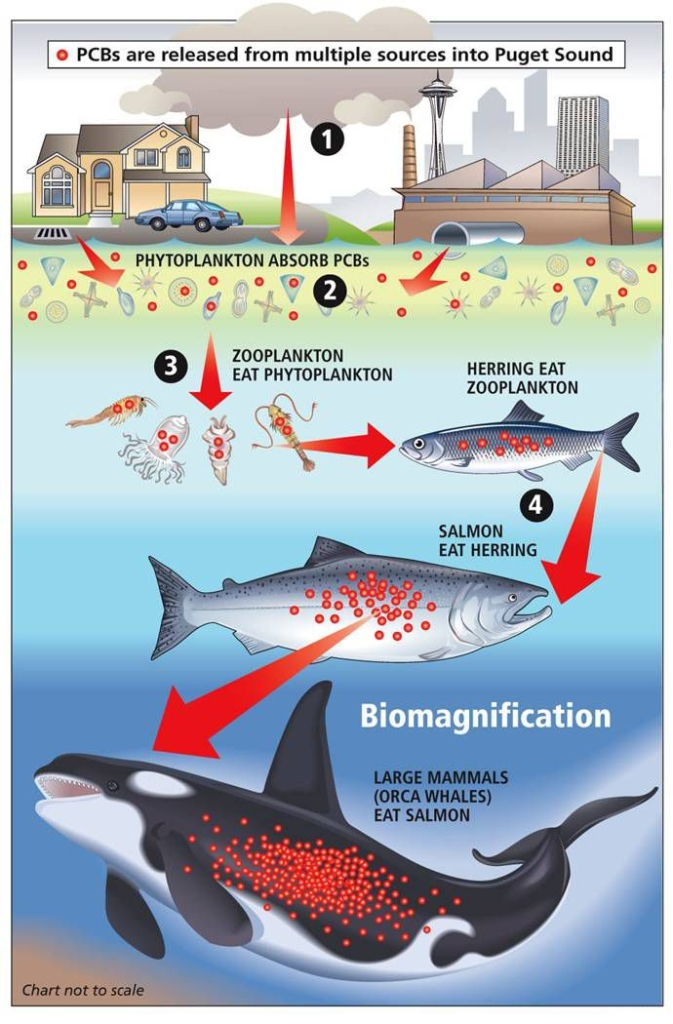
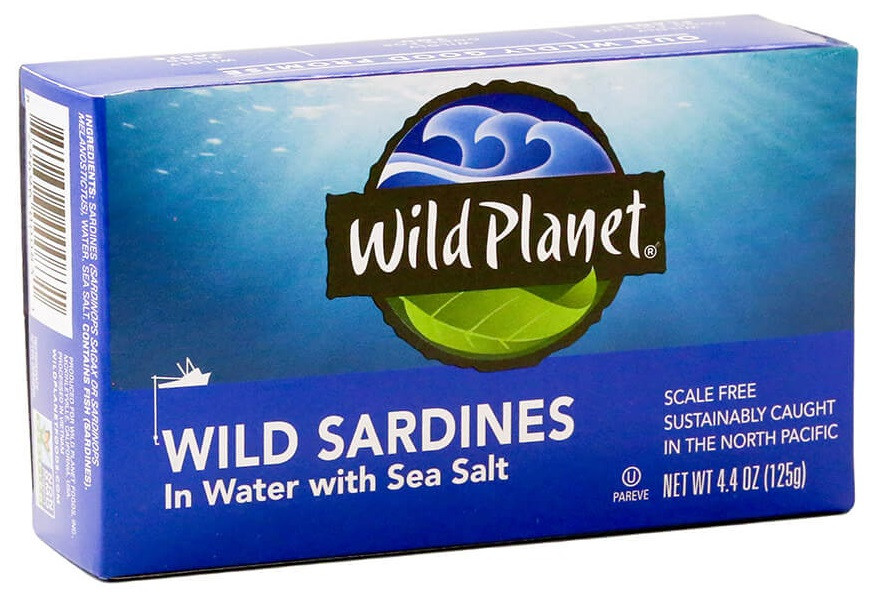
Right at 10 grams of protein per 100 calories, and very nutrient-dense. One of the best things about sardines is that because they're so low on the food chain, they accumulate far less mercury and microplastics than larger fish like salmon. So if you want to eat fish often, sardines are the smarter choice.
When buying canned sardines: BPA-free cans only, stored in water or olive oil (not sunflower or soy oil), and always wild-caught. I personally recommend Wild Planet because I know for a fact their cans don't contain BPA.
2% plain Greek yogurt
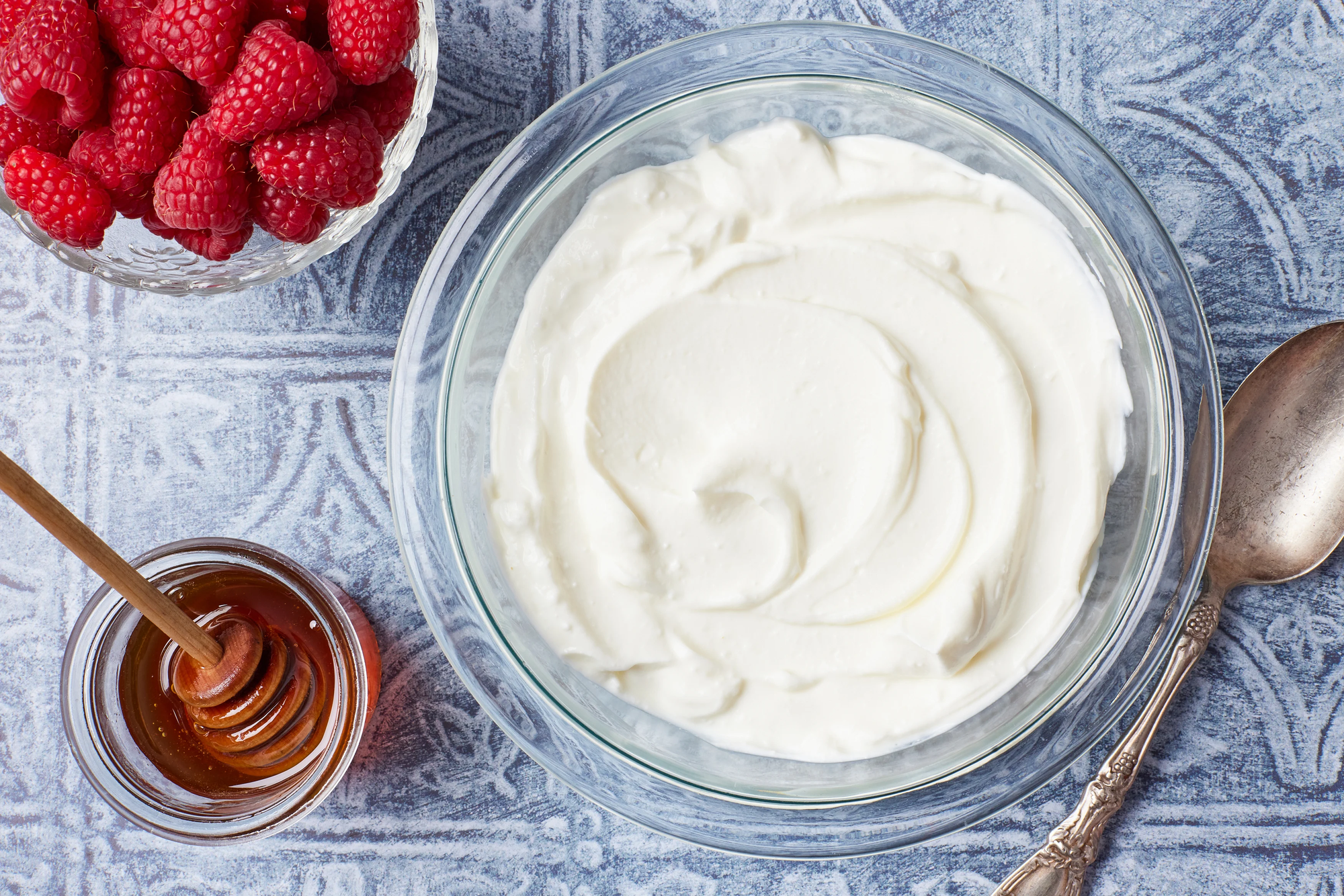
14 grams of protein per 100 calories, plus probiotics that support gut health directly. Greek yogurt is strained, which removes the sugar and concentrates the protein and fat. The 2% fat version is the sweet spot. 0% is overly processed to remove the fat, and while it's not the worst thing in the world, 2% has more nutritional value. The small amount of saturated fat in 2% is actually beneficial, since saturated fat is a precursor to testosterone.[6]
Buy plain only. Flavored versions almost always have added sugar. Organic when possible. I personally go with Fage 2% most of the time, or Whole Foods Organic 0% when I need to keep calories tighter.
Pasture-raised poultry
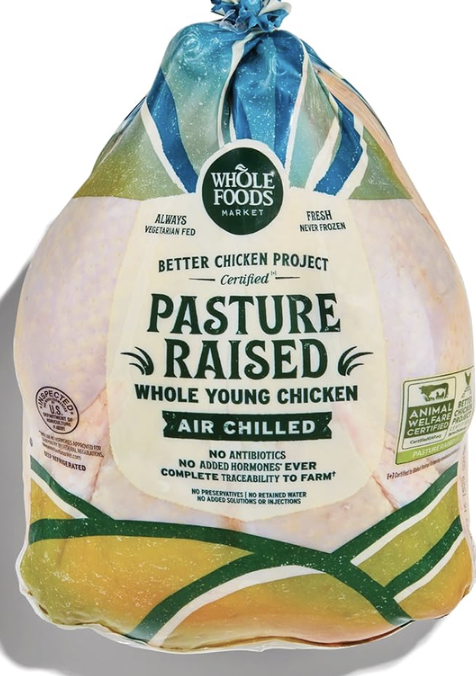
Chicken and turkey, pasture-raised. The calorie to protein ratio varies by cut, but even chicken thighs come in around 15 grams per 100 calories, which is excellent. The fat in pasture-raised poultry is predominantly monounsaturated, which supports testosterone production.
And the dark meat is actually where most of the micronutrients in poultry are stored, because fat is often the delivery vehicle for fat-soluble vitamins. Don't only eat white meat and avoid the fat. You're leaving nutrients on the table.
Poultry is underrated in the testosterone optimization space. People always preach eggs and ground beef, which I'm all about, but pasture-raised poultry has a well-balanced nutritional profile that complements red meat well. It provides nutrients that aren't as abundant in beef. Eat both.
Shellfish (shrimp and mussels)
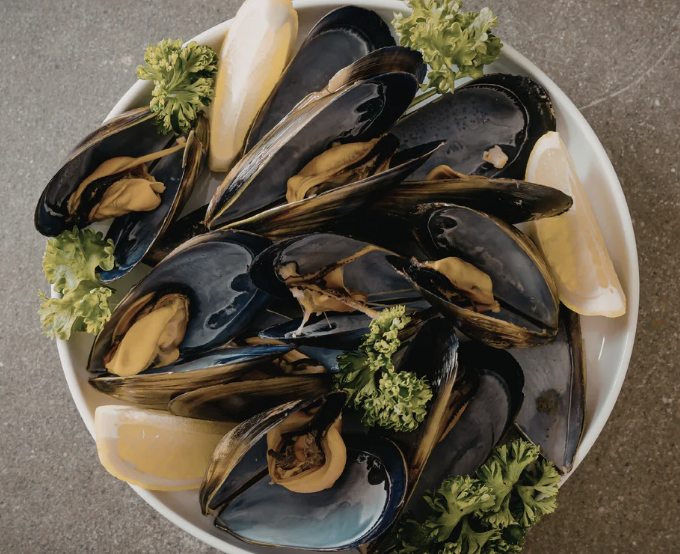
Excellent protein ratios and extremely nutrient-dense. Like sardines, they're low on the food chain and don't accumulate significant toxins. They're also one of the few accessible sources of iodine, which is critical for proper thyroid function. Your thyroid interacts with your other hormone systems, testosterone production included. Don't overlook shellfish.
Organic tofu and tempeh
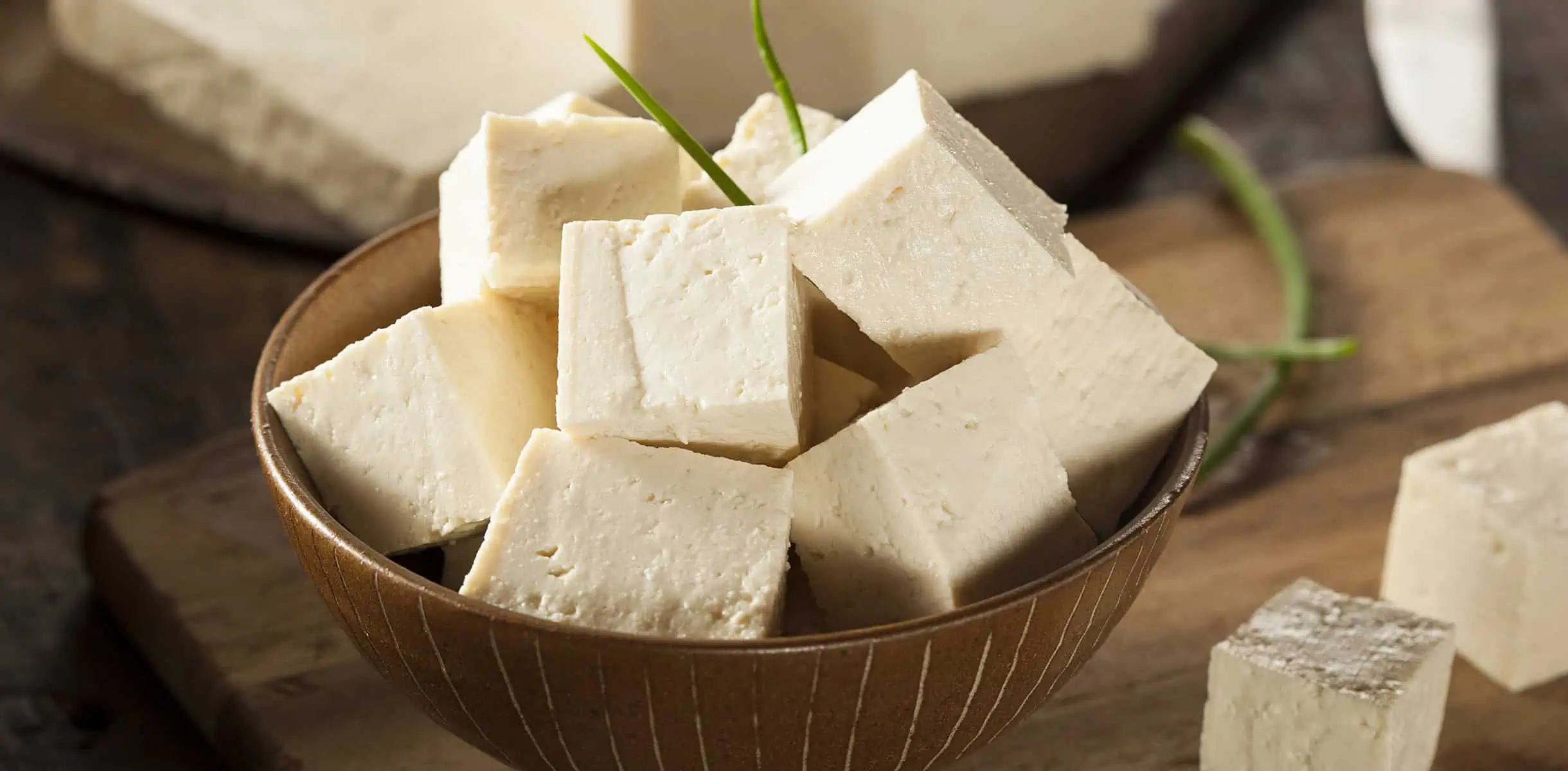
A recent meta-analysis looked at every available study on soy and testosterone in men, and found that regardless of dose and duration, soy products had no negative effect on testosterone levels.[9] A meta-analysis compiles and analyzes dozens to hundreds of individual studies, so this is about as strong a finding as you're going to get on this topic.
If you're going to eat soy, make it organic to avoid glyphosate contamination, and choose tempeh over tofu when possible. Tempeh is fermented, which breaks down phytic acid, a compound in soy that binds to and blocks mineral absorption. Fermentation makes the nutrients significantly more bioavailable. Both come in around 11 grams of protein per 100 calories.
If you're getting sick of eating beef and eggs every day, there is absolutely nothing wrong with mixing in some organic tofu or tempeh. It's a good source of protein and it's nutrient-dense.
Grass-fed organic whey (when you need to supplement)
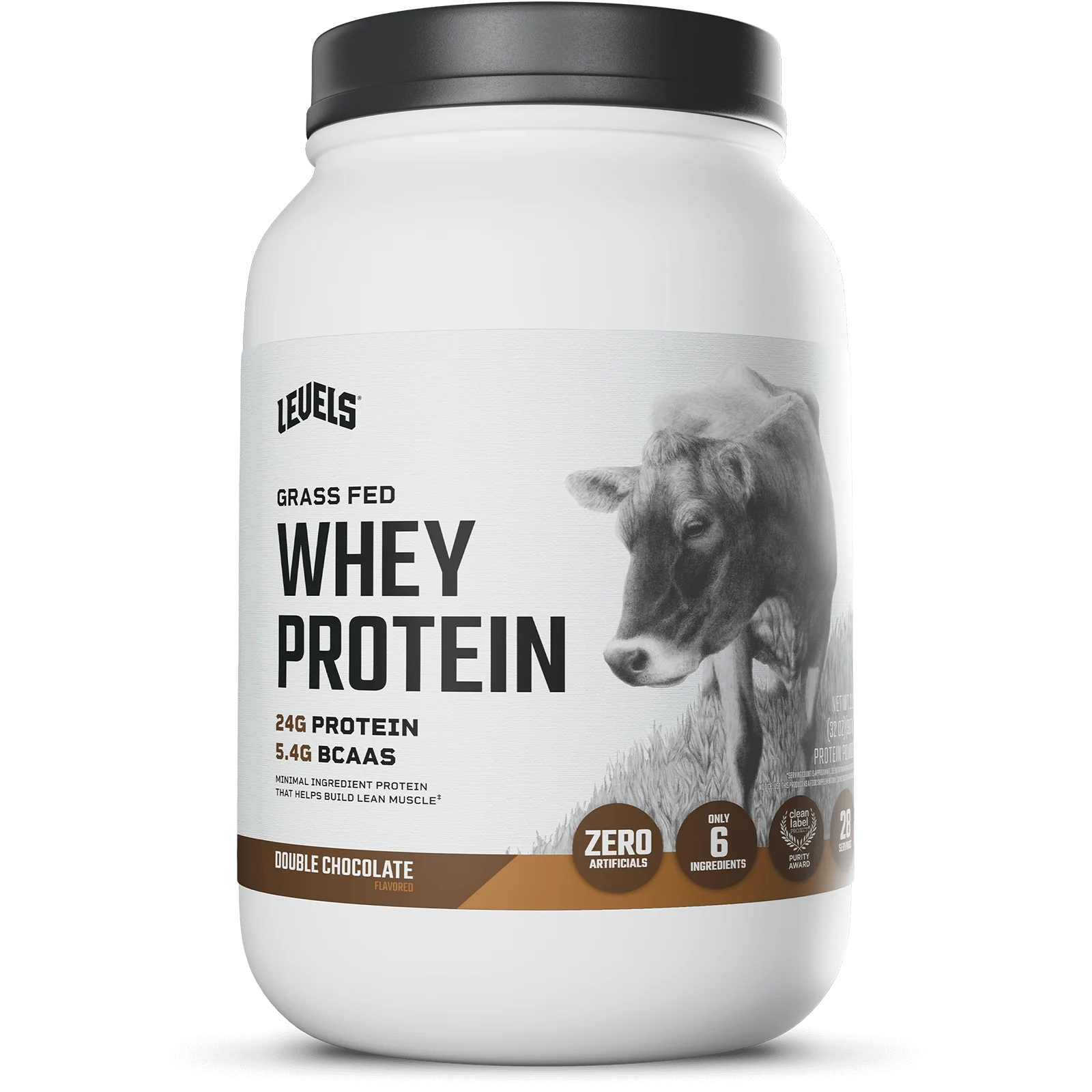
If you're going to use a protein supplement, this is the one. Whey is a complete protein, well-studied for stimulating muscle protein synthesis [10], and grass-fed sourcing reduces contaminant load. My rule: one serving of protein supplements per day maximum. That's either two scoops of whey, or one scoop of whey plus a protein bar. Not both. Not more than that.
Your Master Protein List
To recap, here are the sources to base your diet around:
- 85 to 93% lean grass-fed beef (this can also be bison, lamb, or other red meat)
- Pasture-raised eggs
- Wild-caught salmon
- Sardines
- Shellfish like mussels and shrimp
- 2% plain Greek yogurt
- Pasture-raised poultry (whole chickens and turkeys)
- Fermented organic soy products like tofu and tempeh
- Grass-fed whey if you need to supplement
Aim to get at least 80% of your protein from that list. The closer to 100% you can get, the better. Decent sources like canned tuna, chicken sausage, and whey protein should make up no more than 20% of your intake. Bad sources should ideally never show up.
How to Hit Your Protein Target Every Day
Have protein with every meal, and eat it first. Before you reach for the fruit, the rice, or the vegetables, eat your protein. A bowl of fruit for breakfast isn't a meal. But fruit with Greek yogurt is. Look at every meal and ask: where's the protein?
Plan and prep ahead. Most of the clients I've worked with who struggle to hit their protein targets aren't failing at execution. They're failing at planning. Map out your meals for the week, know exactly how many grams are in each one, and you'll never find yourself short at 9pm scrambling to eat three protein bars to make up the difference.
Distribute your protein throughout the day. Don't go until 1pm with just a banana and a coffee, then try to eat 150 grams of protein in two meals. It's uncomfortable, and your body can only utilize so much at once for muscle protein synthesis. Spread it across three to four meals.
Be patient. If high protein intake feels uncomfortable right now, your gut bacteria and digestive enzymes will actually adapt over time and become more efficient at breaking down protein. It gets easier. Your body will adjust.
The Bottom Line
Protein isn't just about muscle. It's directly tied to your testosterone levels, your body composition, your injury risk, and a long list of other things that determine how well you're functioning.
Most men are either not eating enough, relying too heavily on supplements, or both. The fix is straightforward: base at least 80% of your protein intake on real whole food sources, use supplements as a last resort rather than a first option, and plan your meals in advance so you're not scrambling.
If you've been trying to figure this out on your own and not getting the results you're after, check out the Testosterone Transformation Academy. It's a one-on-one coaching program I built to help men optimize their testosterone levels naturally, using the same principles I laid out in this article.
 Joshua Vecchio
And if you want to see how protein fits into a complete diet, check out my article on the Paleo Diet. I've laid out example meals that balance protein with healthy fats, fruits, and vegetables in a way that's actually sustainable.
References
- Thissen, J. P., Ketelslegers, J. M., & Underwood, L. E. (1994). Nutritional regulation of the insulin-like growth factors. Endocrine Reviews, 15(1), 80–101. https://pubmed.ncbi.nlm.nih.gov/8156941/
- Hamalainen, E., Adlercreutz, H., Puska, P., & Pietinen, P. (1984). Diet and serum sex hormones in healthy men. Journal of Steroid Biochemistry, 20(1), 459–464. https://pubmed.ncbi.nlm.nih.gov/6538617/
- Brownlee, K. K., Moore, A. W., & Hackney, A. C. (2005). Relationship between circulating cortisol and testosterone: Influence of physical exercise. Journal of Sports Science & Medicine, 4(1), 76–83. https://pubmed.ncbi.nlm.nih.gov/24431964/
- Whittaker, J. (2022). High-protein diets and testosterone. Nutrition and Health, 29(2), 185–191. https://doi.org/10.1177/02601060221132922
- Howdeshell, K. L., Hotchkiss, A. K., Thayer, K. A., Vandenbergh, J. G., & vom Saal, F. S. (1999). Exposure to bisphenol A advances puberty. Nature, 401, 763–764. For BPA endocrine disruption mechanisms see also: Rubin, B. S. (2011). Bisphenol A: An endocrine disruptor with widespread exposure and multiple effects. Journal of Steroid Biochemistry and Molecular Biology, 127(1–2), 27–34. https://pubmed.ncbi.nlm.nih.gov/19168002/
- Hamalainen, E., Adlercreutz, H., Puska, P., & Pietinen, P. (1984). Diet and serum sex hormones in healthy men. Journal of Steroid Biochemistry, 20(1), 459–464. https://pubmed.ncbi.nlm.nih.gov/6538617/
- Daley, C. A., Abbott, A., Doyle, P. S., Nader, G. A., & Larson, S. (2010). A review of fatty acid profiles and antioxidant content in grass-fed and grain-fed beef. Nutrition Journal, 9, 10. https://pubmed.ncbi.nlm.nih.gov/20219103/
- Karsten, H. D., Patterson, P. H., Stout, R., & Crews, G. (2010). Vitamins A, E and fatty acid composition of the eggs of caged hens and pastured hens. Renewable Agriculture and Food Systems, 25(1), 45–54. https://doi.org/10.1017/S1742170509990214
- Messina, M., Mejia, S. B., Cassidy, A., Duncan, A., Kurzer, M., Lampe, J., Sievenpiper, J., Bhagat, Y., Dieleman, L., & Jenkins, D. (2021). Neither soyfoods nor isoflavones warrant classification as endocrine disruptors: A technical review of the observational and clinical data. Critical Reviews in Food Science and Nutrition, 62(21), 5824–5885. https://pubmed.ncbi.nlm.nih.gov/33383165/
- Tang, J. E., Moore, D. R., Kujbida, G. W., Tarnopolsky, M. A., & Phillips, S. M. (2009). Ingestion of whey hydrolysate, casein, or soy protein isolate: Effects on mixed muscle protein synthesis at rest and following resistance exercise in young men. Journal of Applied Physiology, 107(3), 987–992. https://pubmed.ncbi.nlm.nih.gov/19589961/