Stop Making These Four Training Mistakes That Keep Career-Driven Men Chubby, Skinny, & Tired

By Joshua Vecchio: Certified Personal Trainer, B.S. Biology & Exercise Science
At this point in your life, your career isn't the bottleneck.
You're an expert in your field. You've climbed the ranks. You've built the business. You've written the book. You've earned your stripes.
But after all these years, you still haven't built the body you want, and it's holding you back.
The lack of confidence from starting each day by looking in the mirror and seeing a body you hate is pervading the way you carry yourself and leading others.
The 2 p.m. slump you have to fight through with a third coffee leaves you feeling dim-witted in afternoon meetings.
You have a short fuse with your family at 7pm when you have nothing left in the tank.
Regular physical training is one of the highest-leverage moves you can make to simultaneously improve your physique, increase your energy levels, sharpen your focus, and mitigate stress.
But maybe you hardly exercise at all because you haven't had a major health scare to motivate you to make it a priority. Yet.
Or because you think that training is only worth doing if you do it every day, so you don't do it at all.
Maybe you're all the way on the other end of the extreme: you train for two hours a day only to find yourself exhausted with no energy left for your career or family and no progress to show for it.
Maybe you want to lose fat, so you just do cardio because you assume lifting is only worthwhile if you want to get jacked.
Maybe you want to build muscle, so you hit the weights but avoid cardio because you fear it will "kill your gains."
In every case, you're leaving half your health, fitness, and performance potential on the table.
In all my experience as a certified personal trainer and men's health coach, I've identified four common training mistakes that keep career-driven men chubby, skinny-fat, and tired.
They look like four separate problems. They aren't.
Two of them are about how much you train. The other two are about what kind of training you do.
The common thread between them all is a cognitive distortion that deceptively makes the mistake feel like the right thing to do: all-or-nothing thinking.
In this article, I'm going to unpack each mistake, what it's costing you, and dispel the belief that gave rise to it in the first place.
If you'd rather skip ahead and have me help you figure out where you're going wrong, book a call and I'll help you build a training plan around your life.
Mistake 1: Not Training At All
I've heard all the excuses under the sun.
"I don't have time."
"I'm too tired after work."
"I'll start once things calm down at the office."
What It's Costing You
Lack of exercise significantly increases your risk of chronic diseases and dying early (1)
It's also why your physique is, well, unsatisfactory, to put it gently.
Even if you tell yourself that you don't care about chronic disease risk or how you look, you might care to know that exercise supports sleep quality, brain function, cognitive performance, executive function, focus, mood, and energy levels (2), all of which improve your career performance and that thing called your quality of life.
Not to mention how you show up for the people around you.
If you think you're too busy to exercise because you're building a career, I hear you, but understand that you're shooting yourself in the foot.
An hour spent exercising carries a far greater ROI on your career performance than another hour of sloppy, unfocused work.
The Belief Underneath
This mistake rests on a cognitive distortion called all-or-nothing thinking, where you only see situations in absolute extremes, usually framed within an "either-or" clause:
- "Either I quit my job and go all-in on my business, or I don't try to start one at all."
- "Either I land a job with a six-figure salary or I stay unemployed."
- "Either I exercise six days per week, or I won't exercise at all."
Each one sounds reasonable until you notice all the ground between the two extremes.
Beliefs like these often aren't explicitly in your conscious awareness.
They tend to show up as the voice in the back of your mind quietly whispering them in your ear: "you won't be able to get to the gym any other day this week, so there's no point in going today."
You probably didn't choose to think that thought.
But you accept it without inspecting it because the belief underneath makes it feel like an obvious truth. In reality, it couldn't be further from the truth.
Research shows that meaningful benefits arise well below a demanding training schedule.
A 2023 meta-analysis found that just 75 minutes of moderate-intensity activity per week was associated with a 23% lower risk of death from any cause compared with total inactivity (3).
Any amount of exercise is better than none, but more is not always better.
Mistake 2: Training Too Much
This is the other end of the extreme on the all-or-nothing thinking spectrum.
Maybe you started a fitness routine, but didn't see results right away.
So now you lift for an hour, slog away on the treadmill for another hour, and repeat the torture-fest six days per week.
It's frustrating because you're making major sacrifices in your schedule to prioritize fitness, but you're still not seeing progress and have no idea why.
It feels like common sense. Exercise is good, so more must be better. If three sessions a week is healthy, six must be twice as healthy.
The research says otherwise.
What It's Costing You
A narrative review titled "The Goldilocks Zone for Exercise: Not Too Little, Not Too Much" revealed a J-shaped curve between strenuous exercise volume and heart disease risk (4).
Unsurprisingly, people who rarely or never exercised had the highest risk.
The surprising finding is that people who exercised vigorously every day had a higher risk than those who exercised once per week. (5)
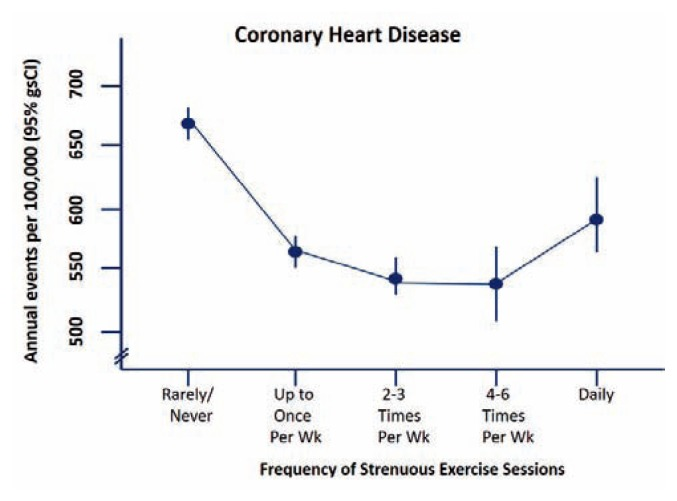
Read that again. The people exercising the most ended up with worse heart health than those exercising the least.
There's a name for this mistake. It's called overtraining.
Overtraining happens when you exercise more than your body can recover from.
Overtraining leaves you with constant fatigue, worse mental & physical performance, a foul mood, and causes your body to break down muscle and preferentially store calories as fat, the exact opposite of what you're trying to achieve with all that working out.
Where do all of these negative effects come from?
Broadly speaking, your body has two modes: catabolic (breaking down) and anabolic (building up).
Each mode is activated by its own set of hormones.
Exercise is a stressor that temporarily shifts your body into a catabolic state by increasing levels of stress hormones, namely cortisol.
Stress hormones are your friend while you're exercising. They make you feel alert and help your body generate energy.
But when you exercise too much, your stress hormones stay elevated and your body stays locked in catabolic mode.
When that happens, your body doesn't know that you're in a gym in the 21st century. It "thinks" that you're on the savannah running for your life because your survival is at risk.
So it prioritizes holding onto fat over building muscle, because those energy stores were crucial survival fuel for our ancestors.
Catabolic mode needs to be counterbalanced with anabolic mode by not overdoing it every time you train, and by giving your body adequate time to recover.
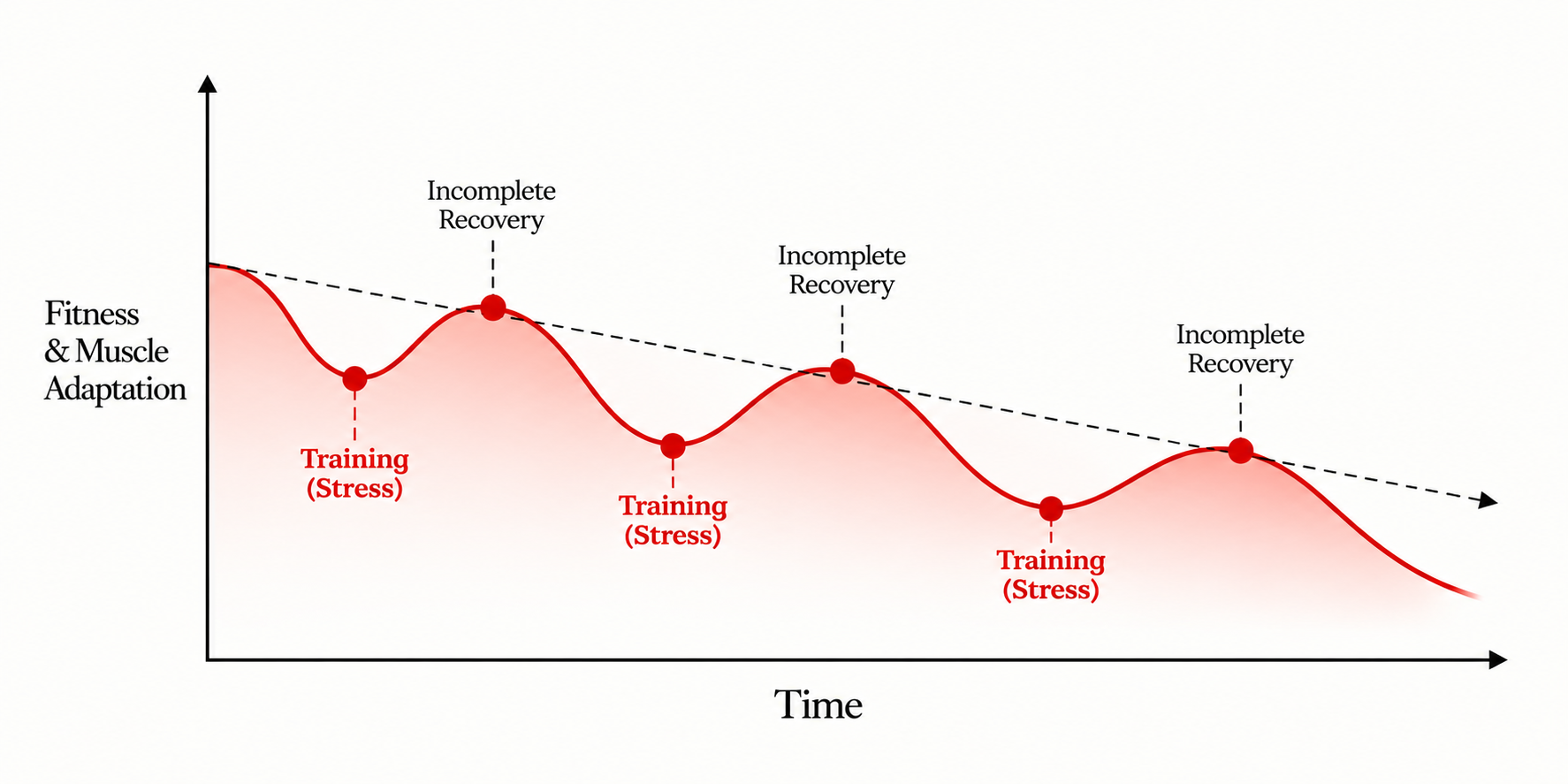
Your training-recovery arc should look like a healthy stock market: up and down in the short term, with an upward trajectory over the long term.
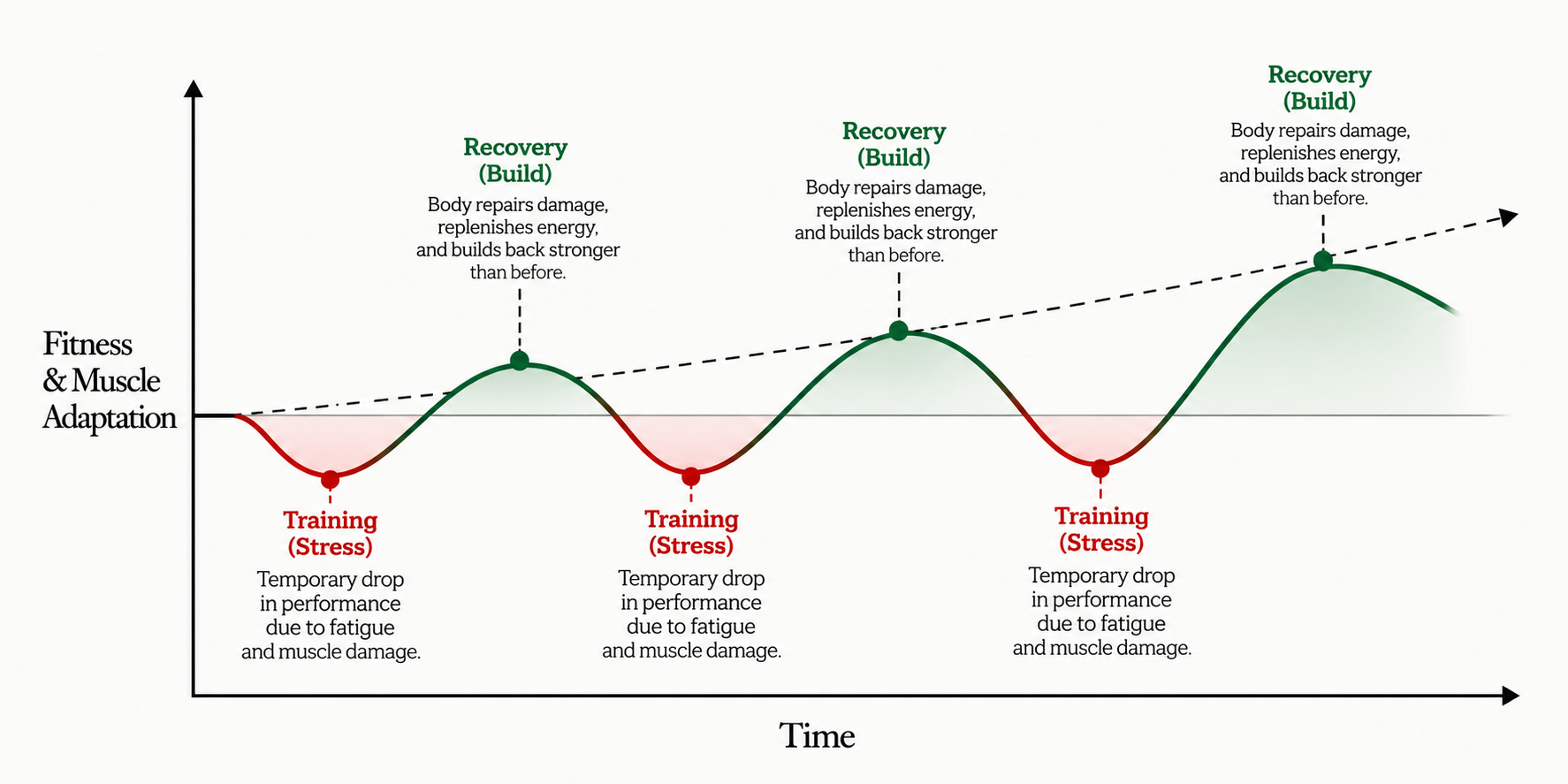
When you train without proper recovery, your body never has time to climb out of the valleys training creates, causing your training-recovery arc to look more like the stock market in a recession: a downward plummet.
The Belief Underneath
For some people, overtraining simply comes from ignorance: not being aware that there is such a thing as too much exercise.
For others, it comes from trying to copy the training regimens of professional bodybuilders, fitness influencers, or athletes.
That's a bad idea because when they aren't training, their full-time job is to recover.
When you aren't training, your full-time job is your full-time job.
Your body responds to career stress the same way it responds to training stress.
To your nervous and endocrine systems, a brutal quarter, a looming deadline, and a hard leg day all draw from the same recovery account. Your training volume and recovery should reflect that.
I've also noticed that career-driven men are particularly susceptible to overdoing things because they've been conditioned to equate more effort with more output.
You might even be paid for exactly that.
More hours worked means more dollars made. More sales calls mean more clients.
Training is one domain where the input-output relationship carries diminishing returns, but your instincts are calibrated for a world where it doesn't.
More isn't better. Enough is best, and enough has a ceiling.
That ceiling comes out to around three to six cumulative hours per week, which is actually great news because it shows that you don't have to live at the gym to get in excellent physical condition.
Mistakes 1 and 2 are about how much you train. The next two are about what kind.
Mistake 3: Only Doing Cardio
What It's Costing You
I've seen it happen time and time again.
A man wants to shed stubborn belly fat. So he goes for runs every day and does hundreds of crunches because he thinks that'll give him abs.
Six months later, he's lighter. His clothes fit looser. But he's disappointed.
He's not really leaner. He's just smaller. Even though he lost some fat, he gave up a significant amount of muscle in the process: a trade he never agreed to make.
When he has a shirt on, people might even notice that he's "lost some weight." The compliments feel good, but deep down, he's still unsatisfied, because when the shirt comes off, his belly still hangs over his belt and he has arms as thin as curtain rods.
His metabolism is slower than it was, so the weight is harder to keep off than it was to lose. Despite all his efforts, his ultimate goal didn't arrive, because what he wanted was a better body composition, not just to weigh less.
The Belief Underneath
"Cardio is better for fat loss, and lifting is more for building muscle, so if my goal is to lose fat, I should focus more on cardio."
This false belief causes men to pedal away all day on the elliptical, not realizing that they're missing out on a potent fat-loss mechanism that only lifting delivers: building muscle.
Why does that matter for fat loss?
Muscle is a metabolically active tissue, which means having more muscle raises your resting energy expenditure (the number of calories you burn at rest).
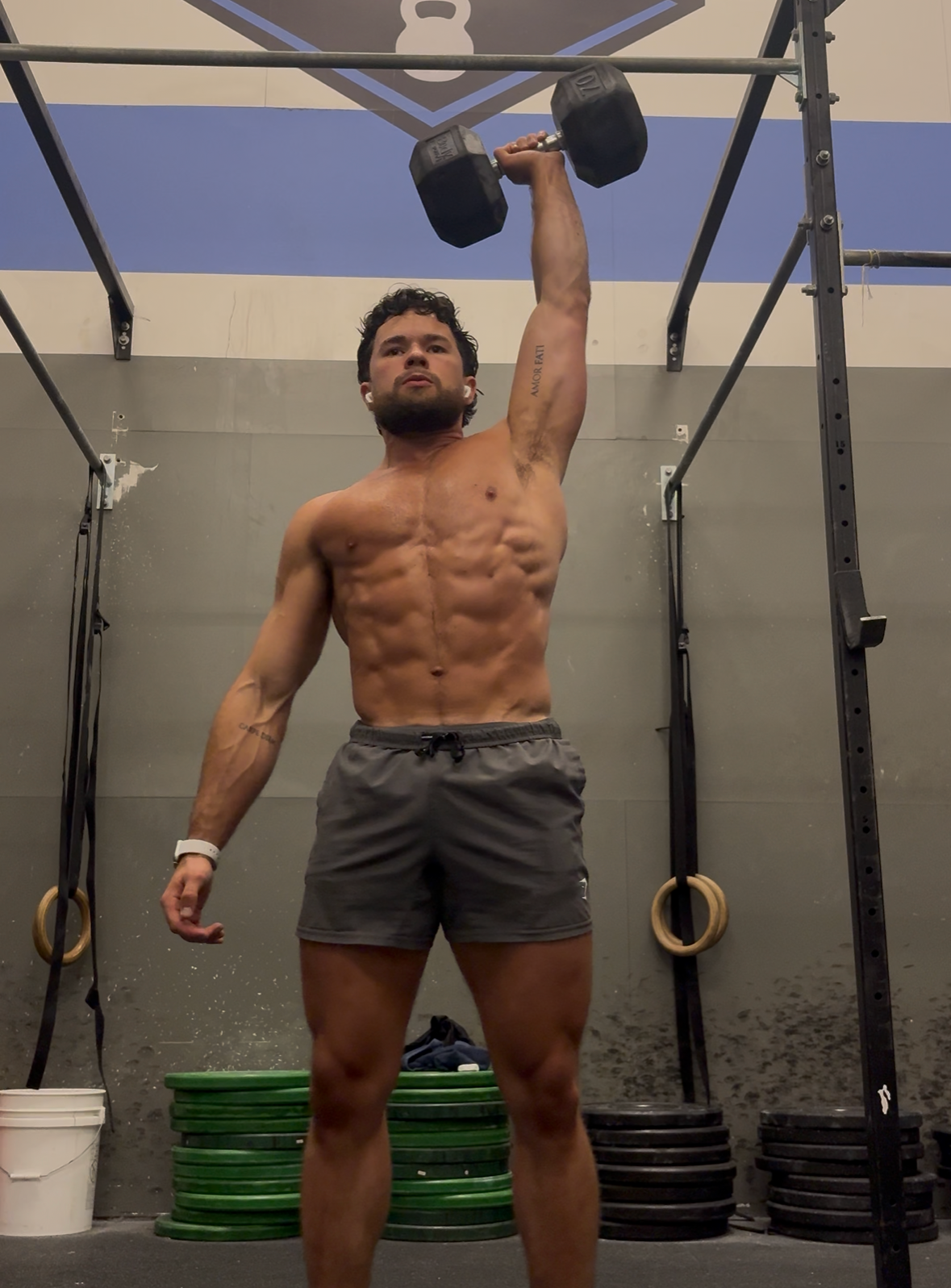
Lifting is the most potent stimulus for building muscle. And when you lose weight without lifting, research shows that 20-40% of the weight you lose is lean muscle (8).
This is the all-or-nothing trap again: cardio or lifting.
"So should I just lift and not do cardio?"
Mistake 4: Only Lifting
What It's Costing You
Here's the man on the other side of the gym. He lives on the bench press and scrolls on his phone for seven minutes between sets because he's "resting."
He has big arms and a big waist. His muscles might fill out his shirts on the outside, but that belly of his isn't just an aesthetic blemish.
Visceral fat is linked to higher rates of heart disease and type 2 diabetes (9), cancers (10), lower brain volume (11), and lower testosterone levels (12).
Cardio burns calories, which can help create a caloric deficit required for fat loss. Even if you aren't explicitly trying to lose fat, cardio can help you stay lean as you build muscle.
Your heart is a muscle too. Just because you can't see it doesn't mean it's not important to train.
Heart disease is the leading cause of death for men in the U.S. (13), and regular aerobic training is linked to a significantly lower risk of heart disease and death (1).
Cardio also supports cognitive function (2), which is crucial for knowledge workers, and trains your aerobic capacity: your body's ability to produce energy with oxygen over a sustained period of time.
It powers everything from a brisk walk to how quickly you recover between sets, and it keeps you from being the guy who's huffing and puffing after two flights of stairs or five minutes of chasing his kids in the backyard.
Lifting alone leaves your aerobic capacity almost completely untouched.
The Belief Underneath
Men looking to maximize muscle growth often completely avoid cardio because they fear it will "kill their gains."
You might have seen posts online contrasting the physiques of Olympic sprinters versus marathoners accompanied by the conclusion that cardio is inherently detrimental to muscle development.
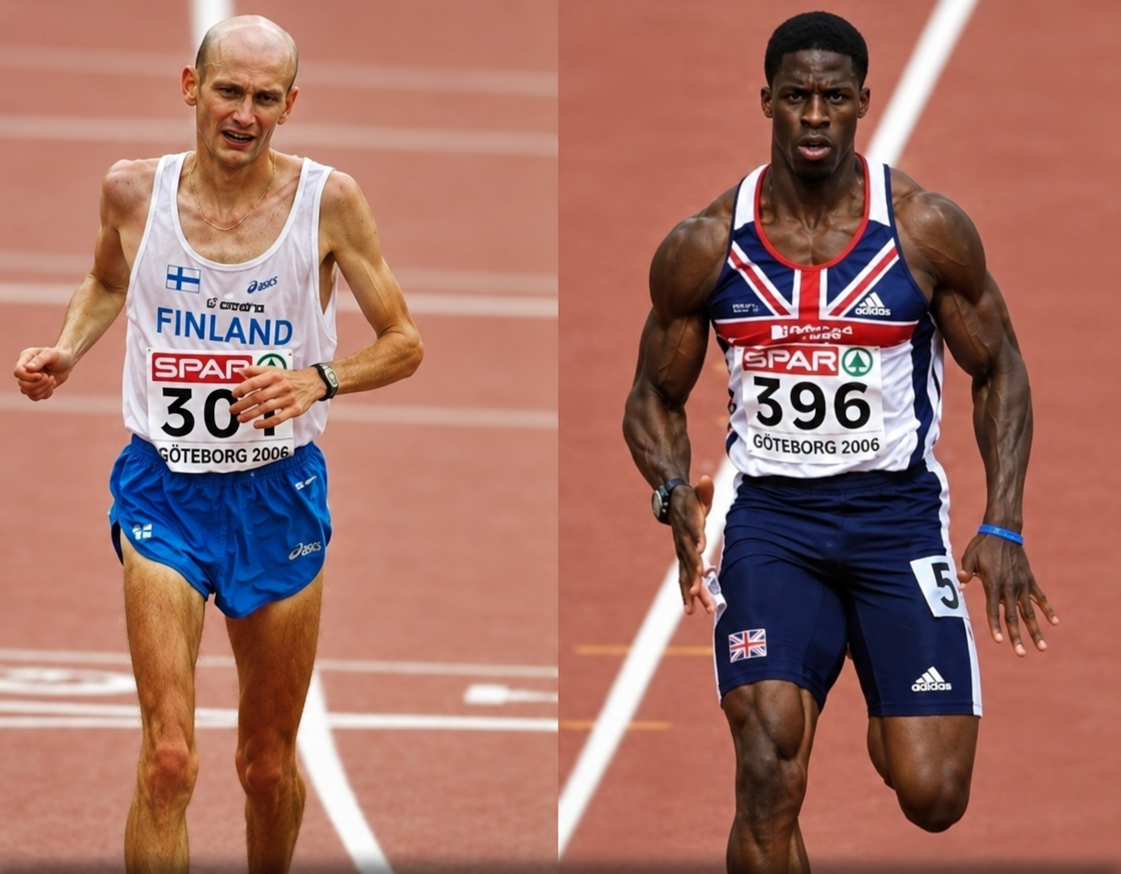
But here's the thing. Those are extreme outliers.
Saying that cardio kills gains because marathoners are skinny is like saying basketball makes you tall because NBA players are tall.
For the average man, adding cardio to your lifting routine will not shrink your biceps.
A 2022 meta-analysis concluded that cardio does not disrupt muscle growth or maximal strength development, as long as that cardio is additive and doesn't replace lifting volume, meaning you're not reducing the number of lifting sessions you perform per week to make room for cardio (14).
Whether cardio actively helps muscle growth is still being sorted out.
Some studies show that training regimens that include both lifting and cardio lead to more muscle growth than lifting alone. Others show no difference (15).
What the evidence doesn't support is the idea that cardio impairs muscle development when it's added on top of lifting, and that's one fear that keeps men off the treadmill, but not the only one.
Does Cardio Lower Your Testosterone? What the Research Shows
This myth stands on two legs:
- Cardio increases cortisol levels.
- Lifting spikes testosterone more than cardio.
There's a kernel of truth. Research shows that male distance runners can develop "exercise-hypogonadal male condition," which just means low testosterone caused by training (16)
But that only showed up in men who ran for a minimum of seven hours per week for over a year.
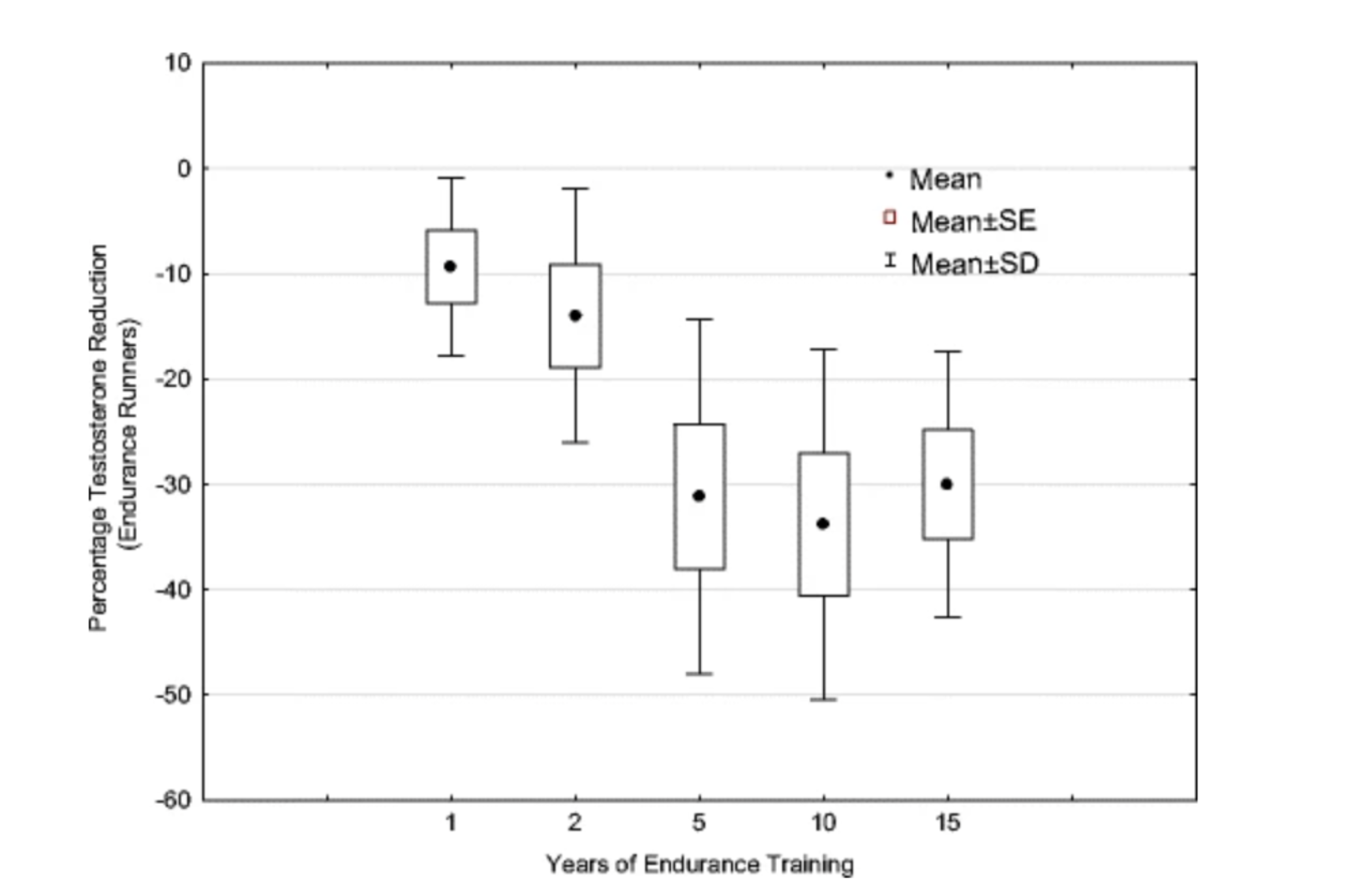
Importantly, the mechanism wasn't cardio itself.
It was chronically elevated cortisol levels as a result of overtraining and extremely low body weight. That maps perfectly onto what we established earlier: too much exercise of any kind is detrimental, especially when paired with an extreme calorie deficit.
Lifting also spikes cortisol. So does every other kind of exercise. But it temporarily spikes and comes back down, provided there's adequate recovery (18).
And just because cardio doesn't spike testosterone quite as much as lifting doesn't mean that cardio decreases testosterone.
Other research shows that cardio actually improves testosterone levels in men with obesity and diabetes through improvements in insulin regulation an fat loss (23).
Just like post‑exercise cortisol spikes, post-exercise testosterone spikes come back to baseline after a few hours (20). They don't have any lasting effects on baseline testosterone (21)
What moves your baseline testosterone over the long term is the bigger picture: your body composition, sleep and diet quality, and overall stress levels (12), (22).
A balanced program improves all of them.
Cardio isn't your enemy. Your enemies are:
- Not training at all
- Overtraining
- Only doing cardio
- Only lifting
Mistakes one and two lie on the quantity axis: too little and too much exercise are both detrimental.
Mistakes three and four lie on the category axis: only doing one type of exercise deprives you of the unique benefits only the other can provide.
The cognitive distortion behind them all is the same: all-or-nothing thinking.
Your Next Week: One Fix for Each Mistake
If you're making mistake #1 (not training at all), commit to doing 30 minutes of any form of exercise next week. Your goal isn't to become Rocky overnight.
Your goal is just to break the belief that anything less than everything isn't worth doing, and replace it with the (factual) belief that anything is better than nothing. Week after week, gradually make room to increase volume from there.
If you're making mistake #2 (overtraining), cap your weekly volume at six cumulative hours per week. If you're tempted to keep going, remind yourself that recovery is part of the work. Otherwise, catabolic mode will undo all the effort you've been putting in.
If you're making mistake #3 (only doing cardio), incorporate at least two 45-60 minute lifting sessions into your rotation next week. Remember that the muscle growth that comes from lifting will support your fat loss goals more than adding more cardio.
If you're making mistake #4 (only lifting), incorporate at least two 20-60 minute cardio sessions into your rotation next week. Remember that when balanced with lifting and kept under six cumulative hours of total exercise per week, cardio is unlikely to cost you any muscle.
The man who hates what he sees in the mirror after his morning shower, who needs a third coffee at 2pm, and who has a short fuse at family dinner doesn't need a better work ethic. He has plenty of that.
He needs to stop asking "How much can I do?" and start asking "What's enough for me?"
Enough can mean showing up when you only have 30 minutes, stopping at six hours when your ego wants ten, stepping off the elliptical to pick up a barbell, or putting down the barbell to step on the treadmill.
The obvious next question is: "If there's such a thing as too much and too little exercise, but I also should be doing both types, how do I know how much of each to do?"
That's what the next article in this series is about: what each type of training delivers that the other can't, and how to divide your training time between them depending on your goals. Subscribe to the newsletter so you don't miss it when it goes out.
Because if you get that right, the man you see in the mirror after your morning shower will be leaner, more muscular, primed to live a longer, better quality of life, and will have more time, energy, and confidence to bring to his work and his family.
And if you'd rather not reverse-engineer your "enough" from studies by yourself, book a call and I'll help you build a program that fits your life instead of asking your life to fit a program.
References
- Garcia, L., Pearce, M., Abbas, A., Mok, A., Strain, T., Ali, S., Crippa, A., Dempsey, P. C., Golubic, R., Kelly, P., Laird, Y., McNamara, E., Moore, S., de Sa, T. H., Smith, A. D., Wijndaele, K., Woodcock, J., & Brage, S. (2023). Non-occupational physical activity and risk of cardiovascular disease, cancer and mortality outcomes: A dose-response meta-analysis of large prospective studies. British Journal of Sports Medicine, 57(15), 979–989. https://doi.org/10.1136/bjsports-2022-105669
- Physical Activity Guidelines Advisory Committee. (2018). 2018 Physical Activity Guidelines Advisory Committee scientific report. U.S. Department of Health and Human Services. https://health.gov/our-work/nutrition-physical-activity/physical-activity-guidelines/current-guidelines/scientific-report
- Arem, H., Moore, S. C., Patel, A., Hartge, P., Berrington de Gonzalez, A., Visvanathan, K., Campbell, P. T., Freedman, M., Weiderpass, E., Adami, H.-O., Linet, M. S., Lee, I.-M., & Matthews, C. E. (2015). Leisure time physical activity and mortality: A detailed pooled analysis of the dose-response relationship. JAMA Internal Medicine, 175(6), 959–967. https://doi.org/10.1001/jamainternmed.2015.0533
- O'Keefe, J. H., O'Keefe, E. L., & Lavie, C. J. (2018). The Goldilocks zone for exercise: Not too little, not too much. Missouri Medicine, 115(2), 98–105. https://pmc.ncbi.nlm.nih.gov/articles/PMC6139866/
- Armstrong, M. E. G., Green, J., Reeves, G. K., Beral, V., & Cairns, B. J. (2015). Frequent physical activity may not reduce vascular disease risk as much as moderate activity: Large prospective study of women in the United Kingdom. Circulation, 131(8), 721–729. https://doi.org/10.1161/CIRCULATIONAHA.114.010296
- Meeusen, R., Duclos, M., Foster, C., Fry, A., Gleeson, M., Nieman, D., Raglin, J., Rietjens, G., Steinacker, J., & Urhausen, A. (2013). Prevention, diagnosis, and treatment of the overtraining syndrome: Joint consensus statement of the European College of Sport Science and the American College of Sports Medicine. Medicine & Science in Sports & Exercise, 45(1), 186–205. https://doi.org/10.1249/MSS.0b013e318279a10a
- Heymsfield, S. B., Gonzalez, M. C., Shen, W., Redman, L., & Thomas, D. (2014). Weight loss composition is one-fourth fat-free mass: A critical review and critique of this widely cited rule. Obesity Reviews, 15(4), 310–321. https://doi.org/10.1111/obr.12143
- McCarthy, D., & Berg, A. (2021). Weight loss strategies and the risk of skeletal muscle mass loss. Nutrients, 13(7), Article 2473. https://doi.org/10.3390/nu13072473
- Neeland, I. J., Ross, R., Després, J.-P., Matsuzawa, Y., Yamashita, S., Shai, I., Seidell, J., Magni, P., Santos, R. D., Arsenault, B., Cuevas, A., Hu, F. B., Griffin, B. A., Zambon, A., Barter, P., Fruchart, J.-C., & Eckel, R. H. (2019). Visceral and ectopic fat, atherosclerosis, and cardiometabolic disease: A position statement. The Lancet Diabetes & Endocrinology, 7(9), 715–725. https://doi.org/10.1016/S2213-8587(19)30084-1
- Britton, K. A., Massaro, J. M., Murabito, J. M., Kreger, B. E., Hoffmann, U., & Fox, C. S. (2013). Body fat distribution, incident cardiovascular disease, cancer, and all-cause mortality. Journal of the American College of Cardiology, 62(10), 921–925. https://doi.org/10.1016/j.jacc.2013.06.027
- Debette, S., Beiser, A., Hoffmann, U., DeCarli, C., O'Donnell, C. J., Massaro, J. M., Au, R., Himali, J. J., Wolf, P. A., Fox, C. S., & Seshadri, S. (2010). Visceral fat is associated with lower brain volume in healthy middle-aged adults. Annals of Neurology, 68(2), 136–144. https://doi.org/10.1002/ana.22062
- Kelly, D. M., & Jones, T. H. (2015). Testosterone and obesity. Obesity Reviews, 16(7), 581–606. https://doi.org/10.1111/obr.12282
- Centers for Disease Control and Prevention. (n.d.). Men and heart disease. Retrieved October 9, 2026, from https://www.cdc.gov/heart-disease/about/men-and-heart-disease.html
- Schumann, M., Feuerbacher, J. F., Sünkeler, M., Freitag, N., Rønnestad, B. R., Doma, K., & Lundberg, T. R. (2022). Compatibility of concurrent aerobic and strength training for skeletal muscle size and function: An updated systematic review and meta-analysis. Sports Medicine, 52(3), 601–612. https://doi.org/10.1007/s40279-021-01587-7
- Tan, J., Krasilshchikov, O., Kuan, G., Hashim, H. A., Aldhahi, M. I., Al-Mhanna, S. B., & Badicu, G. (2023). The effects of combining aerobic and heavy resistance training on body composition, muscle hypertrophy, and exercise satisfaction in physically active adults. Healthcare, 11(17), Article 2443. https://doi.org/10.3390/healthcare11172443
- Hackney, A. C. (2008). Effects of endurance exercise on the reproductive system of men: The "exercise-hypogonadal male condition." Journal of Endocrinological Investigation, 31(10), 932–938. https://doi.org/10.1007/BF03346444
- Hackney, A. C. (2020). Hypogonadism in exercising males: Dysfunction or adaptive-regulatory adjustment? Frontiers in Endocrinology, 11, Article 11. https://doi.org/10.3389/fendo.2020.00011
- Dote-Montero, M., Carneiro-Barrera, A., Martinez-Vizcaino, V., Ruiz, J. R., & Amaro-Gahete, F. J. (2021). Acute effect of HIIT on testosterone and cortisol levels in healthy individuals: A systematic review and meta-analysis. Scandinavian Journal of Medicine & Science in Sports, 31(9), 1722–1744. https://doi.org/10.1111/sms.13999
- Healy, R., Patten, R., Bauer, C., Woessner, M. N., Bourke, M., Grossmann, M., & Levinger, I. (2024). The effects of aerobic exercise training on testosterone concentration in individuals who are obese or have type 2 diabetes: A systematic review and meta-analysis. Sports Medicine - Open, 10, Article 117. https://doi.org/10.1186/s40798-024-00781-x
- Tu, Q., Li, G., & Wang, S. (2026). Effect of acute exercise on the dynamics of testosterone levels: A systematic review of randomized controlled trials. PeerJ, 14, Article e20615. https://doi.org/10.7717/peerj.20615
- Potter, N. J., Tomkinson, G. R., Dufner, T. J., Walch, T. J., Roemmich, J. N., Wilson, P. B., & Fitzgerald, J. S. (2021). Effects of exercise training on resting testosterone concentrations in insufficiently active men: A systematic review and meta-analysis. Journal of Strength and Conditioning Research, 35(12), 3521–3528. https://doi.org/10.1519/JSC.0000000000004146
- Leproult, R., & Van Cauter, E. (2011). Effect of 1 week of sleep restriction on testosterone levels in young healthy men. JAMA, 305(21), 2173–2174. https://doi.org/10.1001/jama.2011.710
- Healy R, Patten R, Bauer C, Woessner MN, Bourke M, Grossmann M, Levinger I. The Effects of Aerobic Exercise Training on Testosterone Concentration in Individuals Who are Obese or Have Type 2 Diabetes: A Systematic Review and Meta-Analysis. Sports Med Open. 2024 Oct 29;10(1):117. doi: 10.1186/s40798-024-00781-x. PMID: 39467940; PMCID: PMC11519272.